

What is a Pneumatic Conveying System for Thermoplastic Polyurethane Materials? And What Are Its Desi
When it comes to efficiently transporting thermoplastic polyurethane (TPU) materials in industrial settings, a specialized pneumatic conveying system is often the optimal solution. This equipment is designed to handle the unique properties of TPU, ensuring safe, reliable, and efficient material movement from one point to another. Understanding the fundamentals of such a system and its underlying design principles is crucial for selecting and implementing the right equipment for specific applications.
Understanding the Pneumatic Conveying System for TPU Materials
A pneumatic conveying system for thermoplastic polyurethane materials typically operates by using air or other gases to transport the material through a pipeline. The system can be categorized into different types, such as pressure or vacuum systems, depending on the application requirements. The choice of system type is influenced by factors like material characteristics, distance to be conveyed, and the need for dust control or environmental considerations. For TPU, which is often used in applications requiring precision and consistent material quality, a well-designed pneumatic system is essential to prevent degradation or contamination during transport.
Key Components and Design Principles
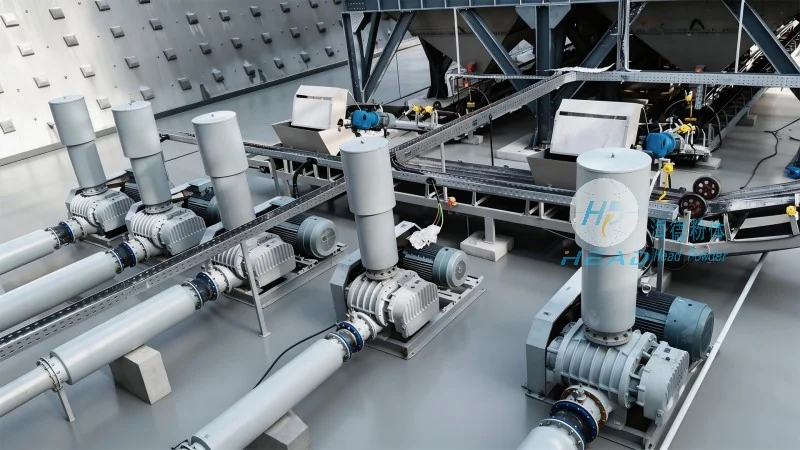
The design of a pneumatic conveying system for TPU materials involves several critical components, each playing a vital role in the overall performance. These components include the hopper or feed device, which holds the TPU material and feeds it into the system; the conveying line, which transports the material using air pressure or vacuum; and the discharge device, which delivers the material to its final destination. The design principles focus on ensuring that the material is conveyed at an appropriate velocity to prevent blockages or degradation, while also maintaining the material's integrity and preventing contamination from external sources.
One of the primary design considerations is the material's flowability and particle size distribution. TPU materials can vary in their physical properties, and the system must be tailored to handle these variations. For example, if the TPU is in a granular or pellet form, the system may use a pressure system with a positive displacement blower to ensure consistent flow. Conversely, if the material is in a powder form, a vacuum system might be more suitable to minimize dust generation and maintain material quality. The system's design also takes into account the need for temperature control, as TPU can be sensitive to heat, and the conveying process must avoid overheating that could affect its properties.
Advantages of Using a Pneumatic Conveying System for TPU
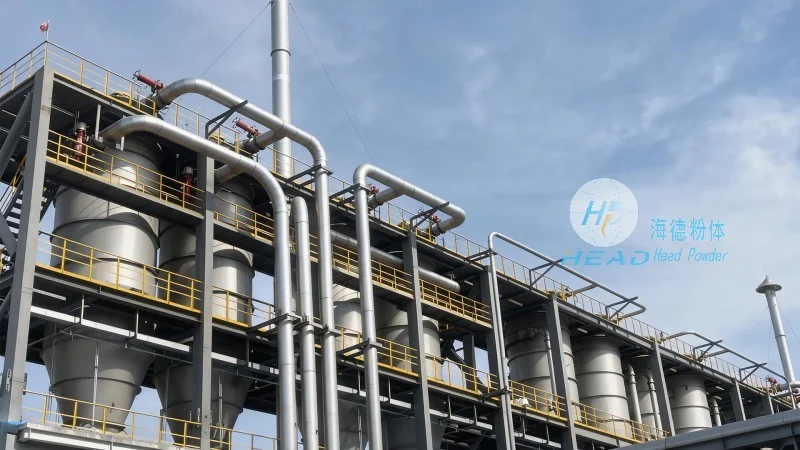
Implementing a pneumatic conveying system for thermoplastic polyurethane materials offers several advantages over traditional methods like belt conveyors or manual handling. One of the most significant benefits is the ability to transport materials in a closed system, which helps in controlling dust and maintaining a clean environment. This is particularly important for TPU, which is often used in applications where dust contamination could impact product quality or safety. Additionally, pneumatic systems can handle materials with varying properties, such as different densities or moisture levels, without the need for extensive modifications. The system also provides flexibility in terms of layout, as it can be easily integrated into existing production lines or reconfigured for different processes.
Customization and Application-Specific Design
Given the diverse applications of thermoplastic polyurethane, a one-size-fits-all approach to pneumatic conveying is not practical. Therefore, the design of the system is often customized to meet the specific needs of the user. This includes considerations such as the required conveying distance, the volume of material to be transported, and the desired discharge point. For instance, in a manufacturing facility producing TPU-based products, the system might need to transport material from a storage silo to a processing machine, with precise control over the flow rate to match production demands. The customization process involves detailed analysis of the material's characteristics, the operational environment, and the end-user's requirements to ensure the system operates efficiently and reliably.
HeadPowder Engineering: Your Partner in Pneumatic Conveying Solutions
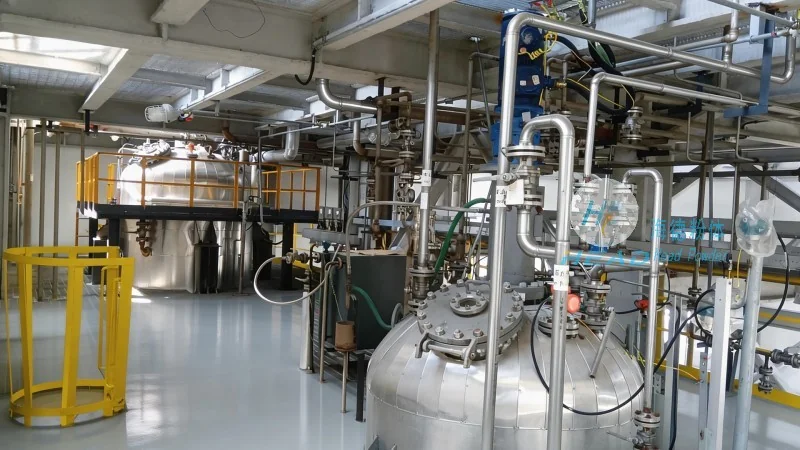
Shandong HeadPowder Engineering Co., Ltd. is a leading provider of pneumatic conveying systems tailored for thermoplastic polyurethane materials. With years of experience in the industry, HeadPowder specializes in designing and manufacturing equipment that meets the highest standards of performance and reliability. The company's expertise lies in understanding the unique challenges of TPU material handling and developing solutions that address these challenges effectively. By leveraging advanced engineering principles and customer-centric design approaches, HeadPowder ensures that its systems are not only efficient but also durable and easy to maintain. The company's commitment to quality and innovation has made it a trusted partner for businesses seeking to optimize their material handling processes.
HeadPowder's team of engineers works closely with clients to understand their specific needs and provide tailored solutions. Whether it's a new installation or an upgrade to an existing system, the company offers comprehensive support from design and installation to ongoing maintenance and troubleshooting. The company's facilities are equipped with state-of-the-art technology and testing equipment, allowing for rigorous testing of the systems to ensure they meet the required performance standards. This commitment to quality and customer satisfaction has helped HeadPowder build a strong reputation in the industry and establish long-term relationships with clients worldwide.
Conclusion: The Importance of a Well-Designed Pneumatic Conveying System for TPU
In conclusion, a pneumatic conveying system for thermoplastic polyurethane materials is a critical component in modern industrial operations. Its design principles are tailored to handle the unique properties of TPU, ensuring efficient and reliable material transport while maintaining product quality and safety. The system's components and operational parameters are carefully selected to address the specific challenges of TPU handling, such as flowability, dust control, and temperature sensitivity. By choosing a well-designed system from a reputable provider like Shandong HeadPowder Engineering Co., Ltd., businesses can enhance their operational efficiency, reduce downtime, and improve overall productivity. The investment in a high-quality pneumatic conveying system is a strategic decision that pays off in the long run, providing a competitive edge in the market.