Coal ash, a byproduct of coal combustion, poses significant challenges in handling and transportation due to its fine particle size and abrasive nature. Pneumatic conveying systems have emerged as an efficient solution for transporting coal ash from production sites to disposal or utilization facilities. This article provides a comprehensive classification of coal ash pneumatic conveying systems and analyzes their practical applications, with a focus on the expertise of Shandong HeadPowder Engineering Co., Ltd.
Introduction to Coal Ash Pneumatic Conveying
Coal ash, also known as fly ash or bottom ash depending on its origin, is generated during the burning of coal in power plants and industrial furnaces. The characteristics of coal ash, such as high temperature, moisture content, and particle size distribution, necessitate specialized conveying methods to ensure safe and efficient transport. Pneumatic conveying systems utilize air or other gases to move particulate materials through pipelines, offering advantages like low maintenance, flexibility in layout, and the ability to handle abrasive materials without mechanical wear.
Classification of Coal Ash Pneumatic Conveying Systems
Coal ash pneumatic conveying systems can be broadly classified into two main categories based on the direction of material flow and the pressure of the conveying medium: positive pressure systems and negative pressure systems. Each type has distinct characteristics and is suitable for different operational conditions.
Positive Pressure Pneumatic Conveying Systems
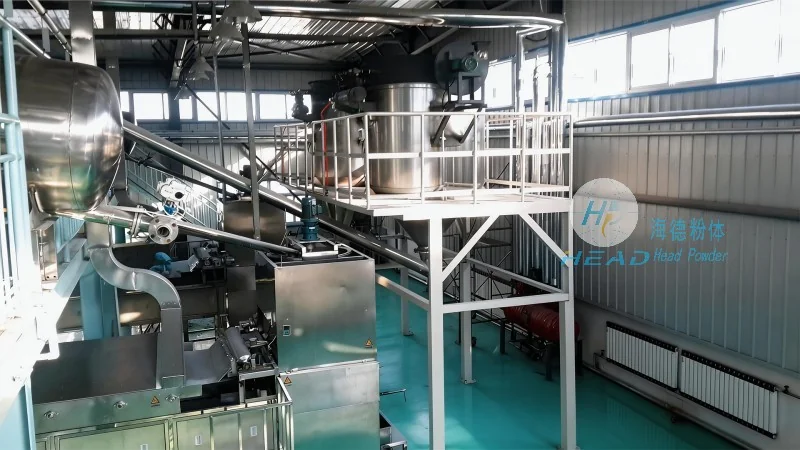
Positive pressure systems operate by blowing air or gas into the conveying pipeline under pressure, pushing the material forward. These systems are commonly used for short to medium distance conveying and are particularly effective for handling fine coal ash particles. The primary components of a positive pressure system include a blower, a material feeder, a pipeline network, and a dust collector. The blower generates the necessary pressure to move the material, while the feeder ensures a consistent flow rate. The pipeline design is critical, as it must withstand the pressure and prevent leakage. Positive pressure systems are often preferred for applications where the ash is to be transported to a nearby disposal site or processing plant.
Negative Pressure Pneumatic Conveying Systems
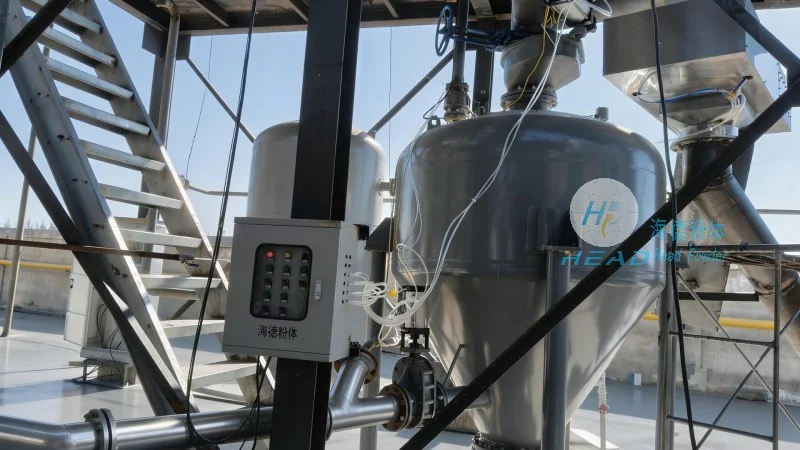
Negative pressure systems, also known as suction systems, operate by creating a vacuum in the pipeline, drawing the material into the system. These systems are suitable for longer distances and are often used when the ash needs to be transported from multiple sources to a central collection point. The key components of a negative pressure system include a vacuum pump, a material inlet, a pipeline network, and a filter system to capture dust and prevent air leakage. Negative pressure systems are generally more complex and require more maintenance than positive pressure systems due to the need for effective filtration and pressure control. However, they offer the advantage of being less likely to cause dust emissions at the source, making them suitable for applications where environmental regulations are stringent.
Other Classification Criteria
Beyond the primary pressure-based classification, coal ash pneumatic conveying systems can also be categorized based on the type of conveying medium, the material handling capacity, and the operational environment. For instance, systems using air as the conveying medium are the most common, but in some cases, inert gases or steam may be used to prevent oxidation or reduce the risk of explosion. The material handling capacity can range from low-capacity systems for laboratory or small-scale applications to high-capacity systems capable of transporting thousands of tons of ash per hour. The operational environment, such as indoor or outdoor installations, also influences the system design, with outdoor systems requiring additional protection against weather and corrosion.
Application Analysis of Coal Ash Pneumatic Conveying Systems
The application of coal ash pneumatic conveying systems varies widely depending on the specific requirements of the coal ash handling process. The choice of system type and design is influenced by factors such as the distance to be covered, the volume of ash to be transported, the particle size and moisture content, and the environmental regulations in the area.
Application in Power Plant Ash Handling
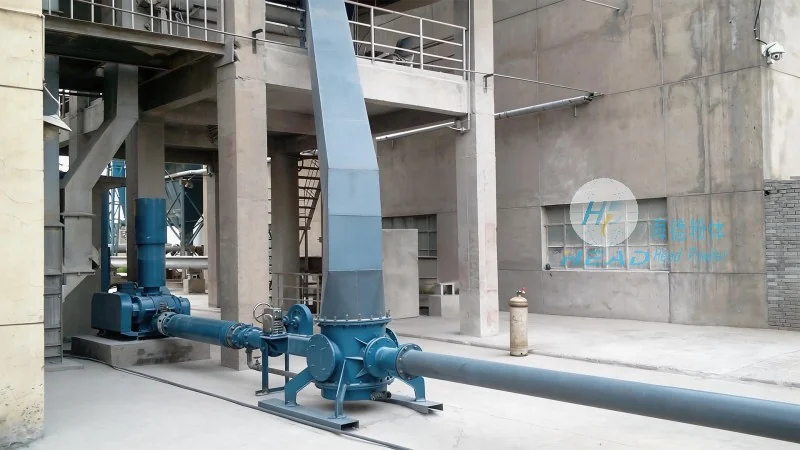
In power plants, coal ash is typically generated in large quantities and needs to be transported to ash storage facilities or utilization plants. Positive pressure systems are commonly used for this purpose, as they can handle the high volume of ash and are relatively simple to install and maintain. The systems are often integrated with the plant's existing infrastructure, with the ash collected from the boiler and conveyed directly to the storage silos or processing units. The efficiency of these systems is crucial for the overall operation of the power plant, as delays in ash removal can affect the boiler's performance and increase maintenance costs.
Application in Industrial Ash Utilization
Many industrial facilities utilize coal ash as a raw material for the production of cement, concrete, and other building materials. The pneumatic conveying systems used in these applications must be capable of transporting ash with specific particle size and moisture content to meet the quality requirements of the end products. Negative pressure systems are often preferred in these cases, as they can handle the fine ash particles without causing excessive wear on the equipment. The systems are typically designed to transport ash from storage silos to mixing plants or processing units, ensuring a consistent supply of material for production. The ability to control the flow rate and particle size distribution is critical for maintaining the quality of the final products.
Application in Environmental Remediation
Coal ash can be a potential environmental hazard if not handled properly, as it may contain heavy metals and other contaminants. Pneumatic conveying systems are used in environmental remediation projects to transport ash from contaminated sites to disposal or treatment facilities. These systems are often designed with additional safety features, such as dust suppression and filtration, to minimize the risk of contamination. The choice of system type depends on the nature of the ash and the specific remediation requirements, with both positive and negative pressure systems being used in different scenarios. The efficiency and reliability of these systems are essential for the success of environmental projects, as any failure could lead to further environmental damage.
Conclusion and Company Overview
Coal ash pneumatic conveying systems play a vital role in the efficient and safe handling of coal ash, contributing to both industrial productivity and environmental protection. The classification and application analysis presented in this article highlight the importance of selecting the appropriate system based on specific operational conditions. Shandong HeadPowder Engineering Co., Ltd., with its expertise in coal ash handling technology, offers comprehensive solutions tailored to the diverse needs of clients. The company's commitment to innovation and quality ensures that its systems meet the highest standards of performance and reliability, making them a trusted choice for coal ash transportation in various industries.




