Phosphorus pentachloride (PCl₅) is a highly reactive chemical compound widely used in various industrial processes. The efficient handling and transportation of PCl₅ are critical for ensuring safety and operational efficiency in chemical manufacturing. Pneumatic conveying is a common method for transporting such materials, offering advantages like dust-free operation and the ability to handle hazardous substances. This article explores the concept of phosphorus pentachloride pneumatic conveying, categorizes different types of pneumatic conveying systems, and discusses their practical applications.
Introduction to Pneumatic Conveying
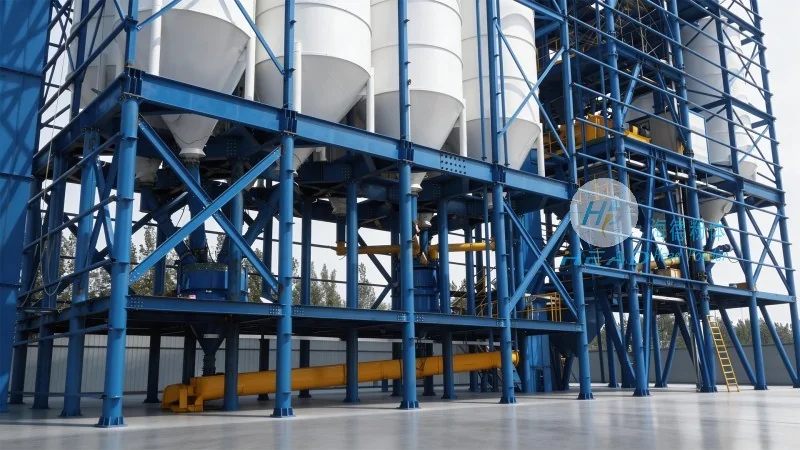
Pneumatic conveying is a technology that uses compressed air or other gases to transport bulk materials through a pipeline system. It is particularly suitable for handling powders and granules, including chemicals like phosphorus pentachloride, which may be corrosive or reactive. The method eliminates the need for mechanical components that could come into contact with the material, reducing contamination risks and maintenance requirements. There are two main categories of pneumatic conveying: pressure and vacuum systems, each with distinct characteristics and applications.
Types of Pneumatic Conveying Systems
Pressure pneumatic conveying systems operate by introducing compressed air into the material stream at the loading point. The air pressure pushes the material through the pipeline to the discharge point. This type is ideal for long-distance or high-volume transport, as it can maintain a consistent flow rate and handle abrasive materials. Vacuum pneumatic conveying, on the other hand, uses a vacuum pump to draw material from the source into the pipeline. It is commonly used for short-distance transport or when the material needs to be collected from multiple points. Both systems can be further classified based on the velocity of the air flow, with high-velocity and low-velocity options available.
Phosphorus Pentachloride Pneumatic Conveying: Key Considerations
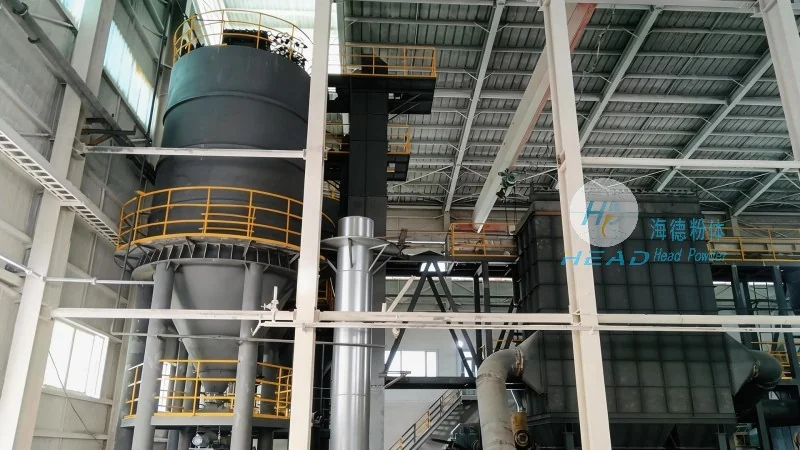
When applying pneumatic conveying to phosphorus pentachloride, several factors must be considered to ensure safety and effectiveness. PCl₅ is a corrosive and moisture-sensitive compound, which means the conveying system must be constructed from materials resistant to chemical attack, such as stainless steel or specialized alloys. The system also needs to be designed to prevent moisture ingress, as even trace amounts can cause hydrolysis and release toxic gases. Additionally, the air used in the system must be filtered to remove contaminants that could react with PCl₅ or clog the pipeline. Proper ventilation and explosion-proof measures are essential in handling such hazardous materials.
Classification of Pneumatic Conveying Based on Application
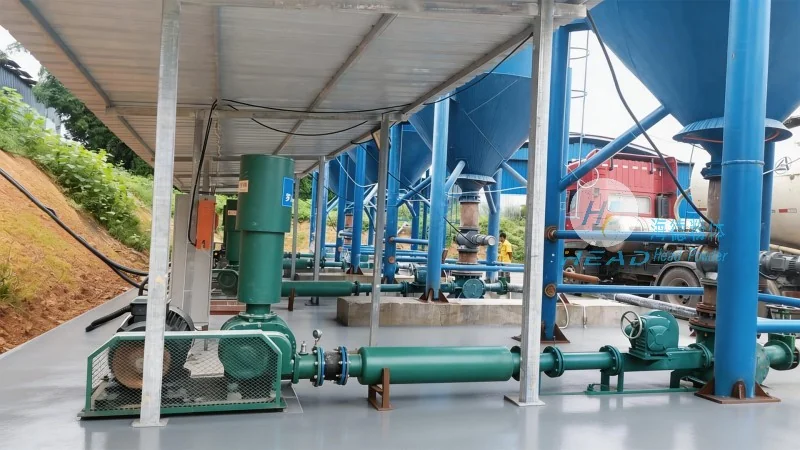
Pneumatic conveying systems are often classified based on their application and operational requirements. For instance, dilute-phase systems are used for low-concentration material transport, where the material is suspended in air and travels at high velocity. Dense-phase systems, conversely, transport material in a more concentrated form, with lower air velocities and higher material density. This classification affects the system's capacity, energy consumption, and suitability for different materials. Another classification is based on the system's configuration, such as single-line, multi-line, or loop systems, which determine the flexibility and efficiency of material transport.
Applications of Pneumatic Conveying in Phosphorus Pentachloride Handling
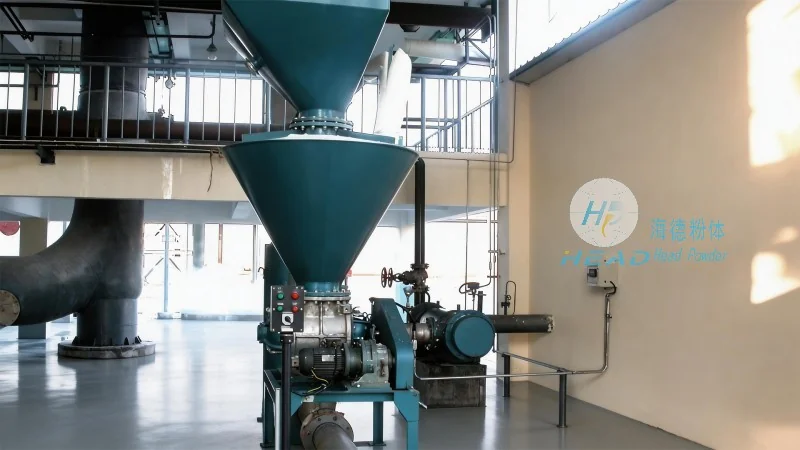
The use of pneumatic conveying in phosphorus pentachloride processing is widespread across various industries. In the chemical manufacturing sector, it is employed for transporting PCl₅ from storage tanks to reactors or for moving byproducts to waste treatment facilities. The pharmaceutical industry also utilizes pneumatic conveying for handling PCl₅ in the production of pharmaceutical intermediates, where precision and contamination control are paramount. Furthermore, in the agricultural sector, PCl₅ is used as a fumigant, and pneumatic conveying systems facilitate its safe and efficient distribution to storage or application sites. Each application requires tailored system design to meet specific process parameters and safety standards.
Conclusion
Pneumatic conveying represents a reliable and efficient method for handling phosphorus pentachloride, offering advantages in safety, cleanliness, and operational flexibility. By understanding the different types of pneumatic conveying systems and their classifications, industries can select the most appropriate technology for their specific needs. The proper design and maintenance of these systems are crucial for ensuring consistent performance and compliance with safety regulations. As a leading provider in the field, Shandong HeadPowder Engineering Co., Ltd. specializes in customizing pneumatic conveying solutions tailored to the unique requirements of chemical processing, including the safe and effective transport of phosphorus pentachloride.




