For industrial applications requiring efficient and reliable material handling, the design of a capsule pneumatic conveying system involves critical considerations that ensure optimal performance, durability, and cost-effectiveness. This article outlines key design elements and factors to consider when developing a solution tailored to specific operational needs.
Understanding the Core Components of a Capsule Pneumatic Conveying System
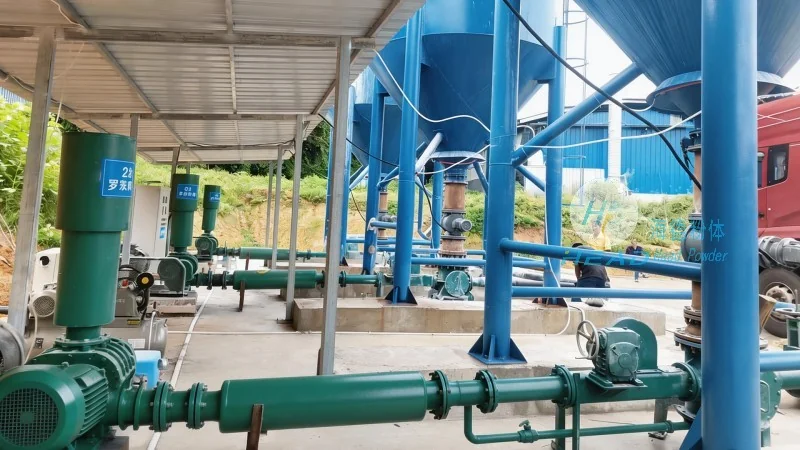
A capsule pneumatic conveying system typically consists of several integral components, each playing a vital role in the overall functionality. The primary elements include the material feeding unit, the conveying line (which may incorporate expansion joints or flexible sections for accommodating system vibrations and thermal changes), the air supply system (including a blower or compressor, filters, and pressure regulators), and the discharge equipment. Each component must be selected and sized based on the characteristics of the material being conveyed—such as particle size, density, moisture content, and flowability—as well as the required conveying distance and throughput. The feeding mechanism, for instance, may involve a hopper with a rotary valve or a screw feeder to ensure a consistent and controlled flow of material into the system, preventing blockages and maintaining system efficiency.
Key Design Considerations for System Efficiency and Reliability
Several critical factors influence the design of a capsule pneumatic conveying system to maximize efficiency and minimize downtime. First, the selection of the air velocity is paramount; it must be high enough to entrain the material particles but low enough to prevent excessive wear on the conveying line and components. Engineers often use the "minimum conveying velocity" and "maximum velocity" guidelines, which are determined by the material's properties and the system's configuration. Additionally, the system's pressure and flow rate must be optimized to match the required throughput and the distance the material needs to travel. Proper sizing of the blower or compressor is essential to ensure sufficient air volume and pressure to maintain the desired conveying velocity without excessive energy consumption.
Material Handling and Process Integration
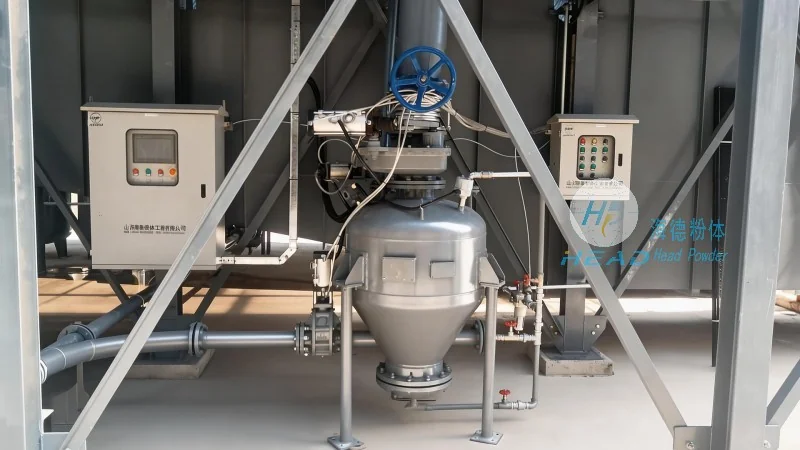
The design of a capsule pneumatic conveying system must also consider how it integrates with the broader production process. This includes ensuring compatibility with existing equipment, such as storage silos, mixers, or packaging machines. The system should be designed to handle variations in material feed rates, such as fluctuations in raw material supply or changes in production demand. Furthermore, the system should incorporate features that enhance process control, such as pressure sensors, flow meters, and control panels that allow operators to monitor and adjust system parameters in real time. This integration helps maintain consistent product quality and reduces the risk of material degradation or contamination during transport.
System Durability and Maintenance Requirements
Given the demanding nature of pneumatic conveying systems, especially when handling abrasive or corrosive materials, durability is a key design consideration. The conveying line and components must be constructed from materials that can withstand the mechanical and chemical stresses of the process. For example, stainless steel or high-grade plastic materials may be used for the conveying line to resist wear and corrosion. Additionally, the system should include features that facilitate maintenance, such as easy access to components for cleaning or replacement, and self-cleaning mechanisms to prevent material buildup. Regular maintenance schedules and diagnostic tools are also critical to ensure the system operates at peak efficiency and to identify potential issues before they lead to system failures.
Environmental and Safety Considerations
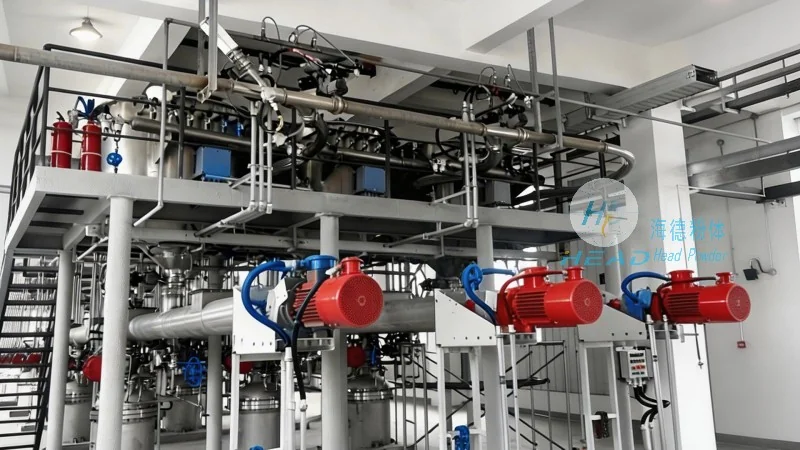
Modern pneumatic conveying systems must also address environmental and safety concerns. The design should incorporate dust collection and filtration systems to minimize air pollution and comply with environmental regulations. This may include cyclone separators, bag filters, or electrostatic precipitators, depending on the material being conveyed and local regulations. Safety features, such as pressure relief valves, emergency shut-off mechanisms, and interlocks, are essential to prevent accidents and protect personnel. The system should also be designed to handle potential hazards, such as material explosions or fires, by incorporating flame arrestors and explosion-proof components where necessary. These considerations not only ensure compliance with safety standards but also contribute to a safer working environment and reduced liability for the facility.
Customization and Scalability for Diverse Applications
One of the advantages of capsule pneumatic conveying systems is their adaptability to a wide range of industrial applications. The design process often involves working closely with the end-user to understand their specific requirements and tailor the system accordingly. This may include customizing the conveying line length, the number of transfer points, or the type of feeding and discharge equipment. The system can be scaled to accommodate varying throughput demands, from small-scale laboratory applications to large-scale industrial operations. Additionally, the system can be integrated with automation and control systems to enhance operational efficiency and reduce labor costs. For example, a system may be equipped with sensors that automatically adjust the air pressure or flow rate based on the material feed rate, optimizing energy use and minimizing waste. This flexibility makes capsule pneumatic conveying systems suitable for industries such as pharmaceuticals, food processing, chemical manufacturing, and mining, where material handling requirements vary significantly.




