When it comes to handling pea crops efficiently, selecting the right pneumatic conveying system is crucial for maintaining product quality and operational efficiency. A well-designed system not only ensures smooth material transport but also minimizes downtime and maintenance costs. This article outlines key considerations and steps for designing a pea pneumatic conveying system that meets the specific needs of agricultural operations.
Understanding the Core Components of a Pea Pneumatic Conveying System
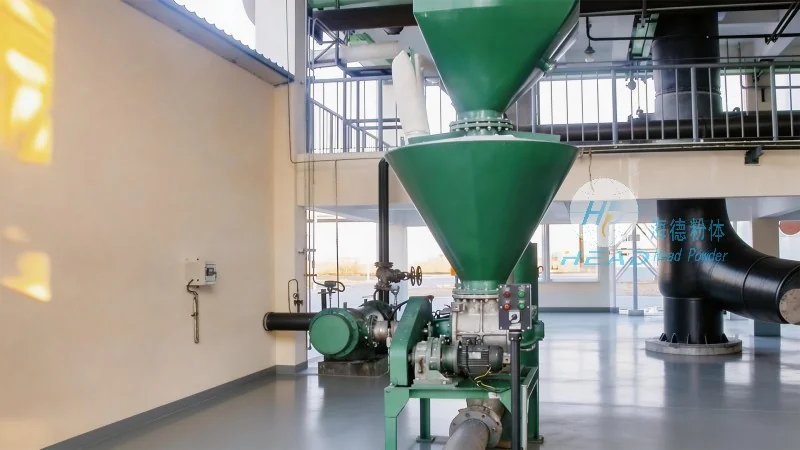
A pea pneumatic conveying system typically consists of several key components, each playing a vital role in the overall operation. The primary elements include a hopper or feeder to introduce the peas into the system, a blower or compressor to generate the air flow, a pipeline network to transport the peas, and a receiver or discharge unit to collect the material at the destination. Additionally, accessories such as filters, silencers, and check valves may be integrated to enhance system performance and protect equipment from damage.
Key Design Factors for Optimal Pea Handling
Designing a pea pneumatic conveying system requires careful consideration of several factors to ensure it operates effectively. The first step is to assess the material characteristics of the peas, including their size, moisture content, and density. These properties directly impact the system's air velocity requirements and the type of conveying method (e.g., positive pressure or negative pressure). For example, peas with higher moisture content may require a higher air velocity to prevent clogging in the pipeline.
Another critical factor is the system's capacity and throughput requirements. The design must accommodate the expected volume of peas to be transported, ensuring that the blower or compressor can deliver sufficient air volume and pressure. This involves calculating the required air flow rate based on the material's bulk density and the desired conveying distance. Proper sizing of the pipeline diameter is also essential to maintain the optimal air-to-material ratio, which is crucial for preventing material degradation and ensuring consistent transport speeds.
Choosing the Right Conveying Method for Peas
Two main types of pneumatic conveying systems are commonly used for pea handling: positive pressure and negative pressure systems. Positive pressure systems use a blower to force air and material through the pipeline, while negative pressure systems use a vacuum to draw material into the system. The choice between these methods depends on the specific application and operational constraints.
For pea processing facilities, positive pressure systems are often preferred due to their ability to handle abrasive materials and prevent product contamination. These systems typically use a rotary valve or star feeder to introduce peas into the pipeline, ensuring a consistent flow of material. The blower is positioned at the inlet of the pipeline, and the material is transported to the discharge point under pressure. Positive pressure systems are also more suitable for long-distance conveying, as they can maintain the required air pressure over extended distances.
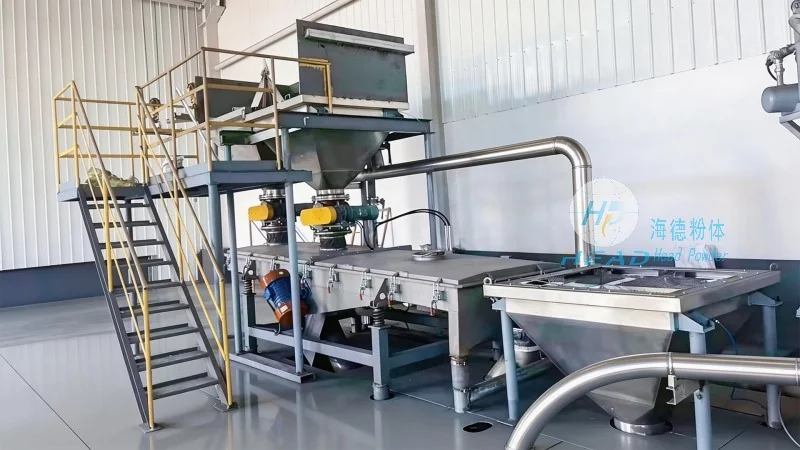
Negative pressure systems, on the other hand, are more commonly used for short-distance conveying or when the material is to be collected from multiple points. These systems use a vacuum pump to create a suction effect, drawing peas into the pipeline and transporting them to the receiver. While negative pressure systems are less suitable for long-distance or abrasive materials, they are effective for handling lighter or more delicate products.
System Sizing and Equipment Selection
Proper sizing of the blower or compressor is a critical step in designing a pea pneumatic conveying system. The required air volume and pressure are determined based on the material's properties, conveying distance, and system layout. For example, a system transporting peas over a distance of 100 meters may require a blower with a capacity of 10,000 cubic feet per minute (CFM) and a pressure of 15 psi. The selection of the blower type (e.g., rotary lobe or centrifugal) also depends on the system's operating conditions and the need for noise reduction or energy efficiency.
The pipeline diameter is another key factor that affects system performance. Smaller diameters result in higher air velocities, which can improve conveying efficiency but may increase wear and tear on the system. Larger diameters, while reducing wear, may require higher air volumes to maintain the same conveying speed. The optimal diameter is typically determined through calculations based on the material's bulk density and the desired air-to-material ratio.
Integration of Accessories for Enhanced Performance
To ensure the longevity and efficiency of a pea pneumatic conveying system, integrating appropriate accessories is essential. Filters are used to remove dust and debris from the air stream, preventing clogging in the blower and protecting downstream equipment. Silencers are installed to reduce noise levels, making the system more environmentally friendly and compliant with regulations. Check valves are used to prevent backflow of material or air, ensuring the system operates in a controlled manner.
Additionally, the use of a receiver or surge tank at the discharge point helps to regulate the flow of peas and prevent overloading of downstream processing equipment. This component acts as a buffer, allowing the system to handle fluctuations in material supply without disrupting the overall operation. Properly sized and positioned, the receiver ensures a steady flow of peas to the next stage of processing.
Maintenance and Operational Considerations
Regular maintenance is crucial for the reliable operation of a pea pneumatic conveying system. This includes inspecting and cleaning the pipeline and components to prevent clogging, checking the blower and compressor for wear and tear, and replacing filters as needed. Proper maintenance not only extends the system's lifespan but also ensures consistent performance and product quality.
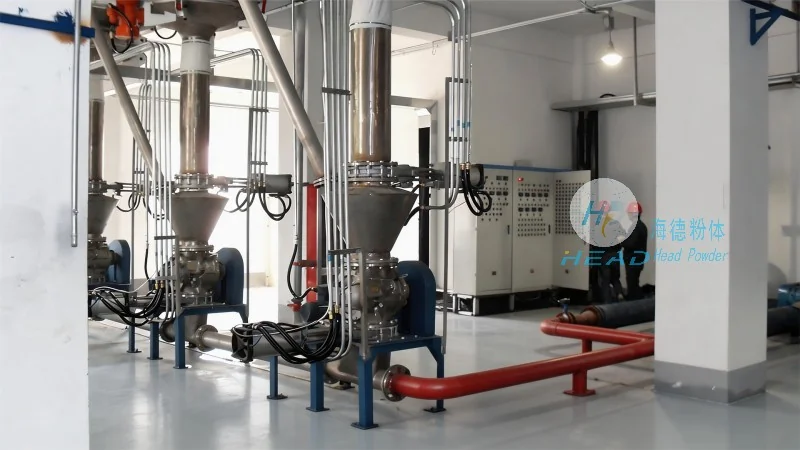
Operational considerations also play a role in system design. For example, the system should be designed to handle variations in pea size and moisture content, which may occur during different seasons or harvest cycles. This may involve adjusting the air velocity or adding additional components to accommodate changes in material properties. Additionally, the system should be equipped with safety features, such as pressure relief valves and emergency shut-off switches, to prevent accidents and protect personnel.
Case Study: HeadPowder's Approach to Pea Pneumatic Conveying
Shandong HeadPowder Engineering Co., Ltd., a leading provider of pneumatic conveying solutions, specializes in designing and manufacturing systems tailored to the needs of agricultural operations. With years of experience in the industry, HeadPowder has developed a comprehensive approach to pea pneumatic conveying system design, incorporating the latest technologies and best practices.
HeadPowder's team of engineers works closely with clients to assess their specific requirements, including the volume of peas to be transported, the distance of the conveying system, and the desired level of efficiency. Based on this assessment, the company designs a customized system that meets the client's needs while ensuring optimal performance and minimal maintenance. The company's systems are built using high-quality materials and components, ensuring durability and reliability in demanding agricultural environments.
HeadPowder's commitment to quality and customer satisfaction is reflected in its comprehensive after-sales support. The company provides regular maintenance services and technical support to ensure that its systems operate at peak performance. This approach has made HeadPowder a trusted partner for many agricultural operations, helping them to improve their efficiency and reduce costs.
Conclusion: Designing an Efficient Pea Pneumatic Conveying System
Designing a pea pneumatic conveying system requires a thorough understanding of the material properties, operational requirements, and available technologies. By carefully considering the key factors outlined in this article, agricultural operations can select and implement a system that maximizes efficiency, minimizes downtime, and ensures the quality of their pea products. Whether using positive or negative pressure systems, proper sizing of components, and integration of accessories, the goal is to create a system that meets the specific needs of the operation while providing long-term reliability and performance.




