

What is Soybean Protein Powder Pneumatic Conveying? Classification and Applications of Pneumatic Con
Understanding the principles and applications of pneumatic conveying for soybean protein powder is crucial for industries that handle bulk materials efficiently. This article explores the concept of pneumatic conveying as it applies to soybean protein powder, outlines the different types of pneumatic conveying systems, and discusses their practical applications in various industrial settings.
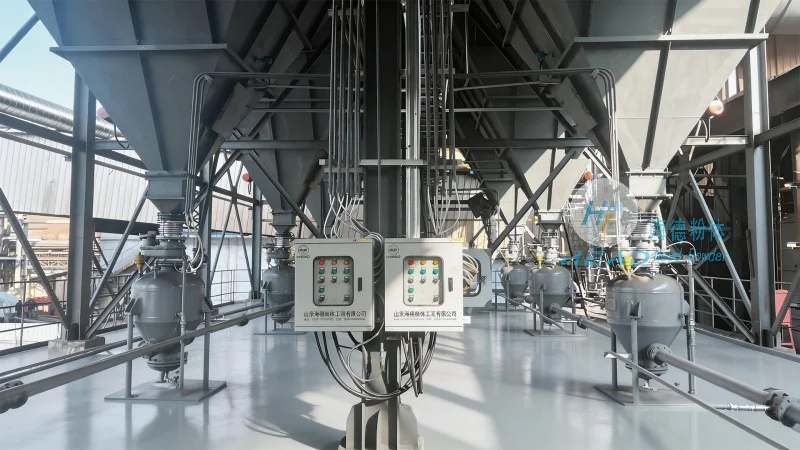
Pneumatic Conveying: An Overview
Pneumatic conveying is a method of transporting bulk materials, such as powders and granules, using a stream of air or gas. In the context of soybean protein powder, this technology is essential for moving the product from storage to processing equipment without the need for mechanical components like belts or buckets. The process involves creating a pressure differential to move the material through a pipeline, making it a versatile solution for handling sensitive or dusty materials like soybean protein.
Types of Pneumatic Conveying Systems
There are primarily two types of pneumatic conveying systems used for soybean protein powder: dilute-phase and dense-phase. Dilute-phase systems operate at low pressure and high air-to-material ratios, typically moving material at high speeds through a pipeline. Dense-phase systems, on the other hand, use higher pressure and lower air-to-material ratios, which allows for more controlled and gentle material transport, reducing the risk of product degradation or degradation.
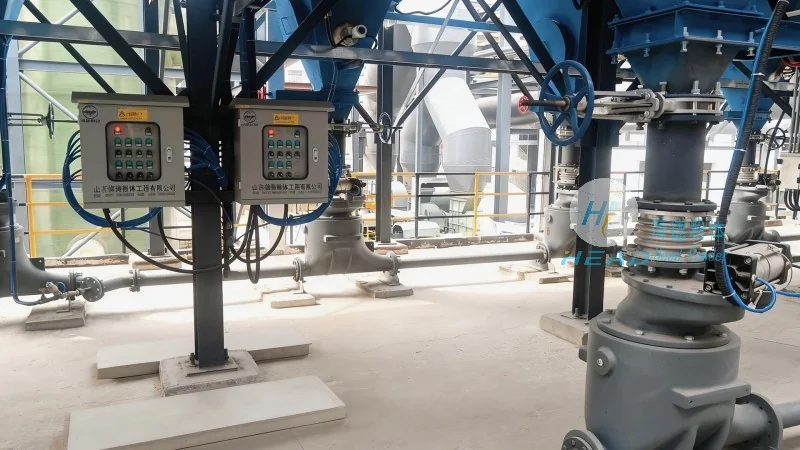
Applications of Pneumatic Conveying in Soybean Protein Powder Handling
Soybean protein powder is widely used in food, feed, and industrial applications, and pneumatic conveying plays a vital role in the logistics of these industries. In food processing, for example, pneumatic conveying is used to transport soybean protein from storage silos to mixing and blending equipment, ensuring a consistent and hygienic transfer process. In animal feed production, the technology is employed to move soybean protein from raw material storage to feed mills, where it is incorporated into animal feed formulations. Additionally, in industrial applications, such as the production of biodegradable plastics or other soy-based products, pneumatic conveying is used to transport soybean protein powder to processing lines, where it is combined with other ingredients to create end products.
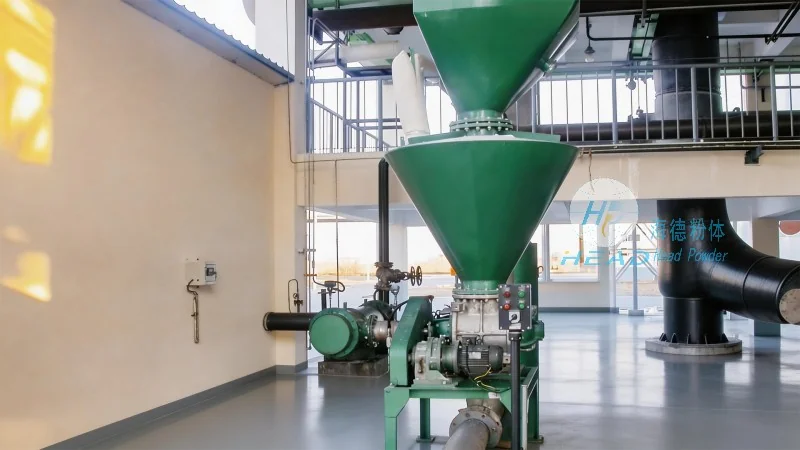
The Role of HeadPowder in Pneumatic Conveying Solutions
Shandong HeadPowder Engineering Co., Ltd., a leading manufacturer of pneumatic conveying equipment, specializes in providing customized solutions for soybean protein powder handling. With years of experience in the industry, HeadPowder understands the unique challenges of transporting soybean protein powder, including its fine particle size and potential for dust generation. The company offers a range of pneumatic conveying systems tailored to the specific needs of soybean protein powder producers, including dilute-phase and dense-phase options, as well as integrated systems that include storage, conveying, and processing equipment.
Benefits of Using Pneumatic Conveying for Soybean Protein Powder
Implementing pneumatic conveying for soybean protein powder offers several advantages over traditional mechanical conveying methods. First, it reduces the risk of product contamination and degradation, as the material is not in direct contact with mechanical components. Second, it improves operational efficiency by allowing for continuous and automated material transfer, reducing downtime and labor costs. Third, it enhances safety by minimizing the need for manual handling of bulk materials, which can be hazardous due to dust and particle size. Finally, pneumatic conveying systems are flexible and can be easily integrated into existing production lines, making them a cost-effective solution for soybean protein powder manufacturers.