

What is a Polyethylene Powder Material Pneumatic Conveying Equipment? And What Are Its Design Princi
For industries dealing with polyethylene powder, efficient material handling is crucial. Pneumatic conveying systems offer a solution that ensures safe, reliable, and cost-effective transportation of polyethylene powder. This article explores the concept of polyethylene powder pneumatic conveying equipment and delves into its design principles, providing a comprehensive understanding for professionals in the field.
Understanding Pneumatic Conveying for Polyethylene Powder
Pneumatic conveying, also known as air conveying, is a method of transporting bulk materials like polyethylene powder using a pressurized or vacuum system. Unlike traditional mechanical conveying systems, which rely on belts, screws, or buckets, pneumatic systems utilize air to move the material through pipelines. This approach is particularly advantageous for polyethylene powder due to its light weight and potential for dust generation, as it minimizes the risk of product contamination and ensures a clean transfer process.
Key Components of Polyethylene Powder Pneumatic Conveying Equipment
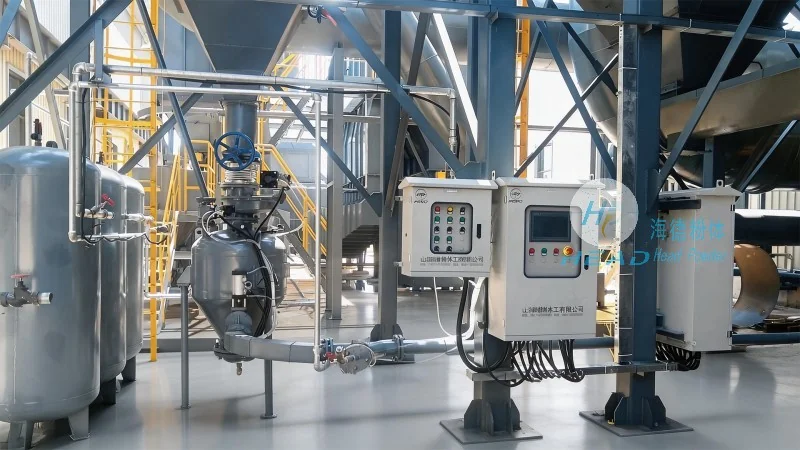
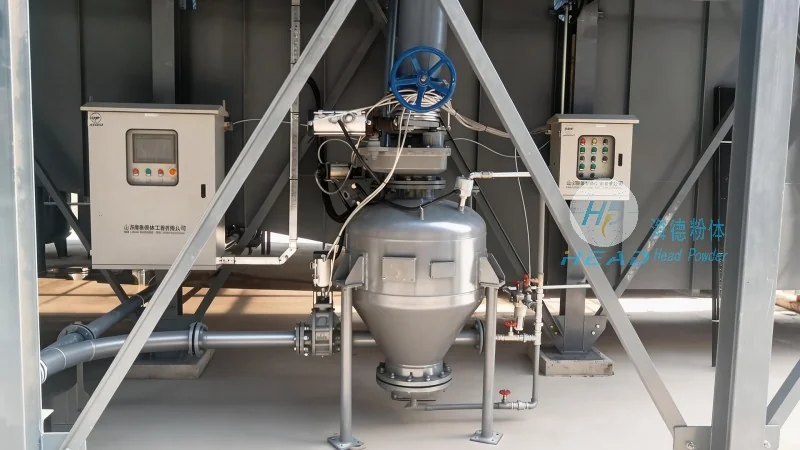
The design of polyethylene powder pneumatic conveying equipment involves several critical components that work in tandem to achieve efficient material transport. These components include the hopper, which serves as the material storage and feeding unit; the conveyor line, which consists of pipelines and fittings that guide the material; the air compressor or vacuum pump, which provides the necessary pressure or suction to move the powder; and the control system, which regulates the flow and pressure to maintain optimal operation. Each component is carefully engineered to handle the specific characteristics of polyethylene powder, ensuring consistent performance and minimal downtime.
Design Principles for Optimal Performance
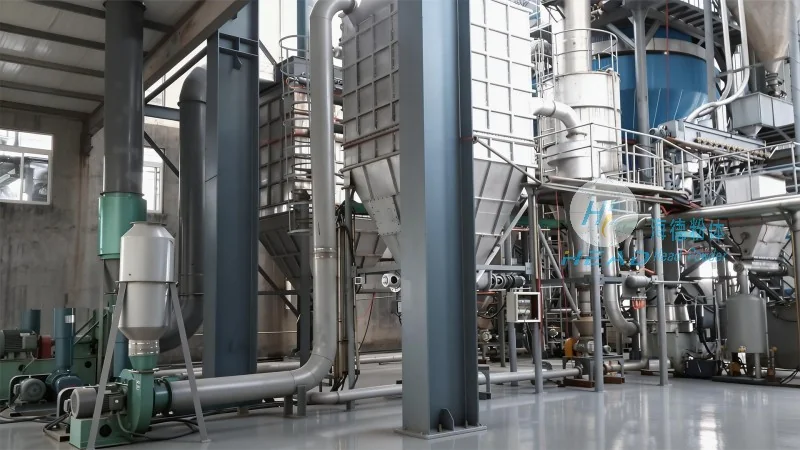
The design principles for polyethylene powder pneumatic conveying equipment are centered on maximizing efficiency, minimizing product degradation, and ensuring operational safety. One key principle is the selection of appropriate air velocity, which must be high enough to entrain the powder particles but low enough to prevent excessive wear on the system components. The system design also considers the particle size and density of the polyethylene powder, as these factors influence the required air pressure and flow rate. Additionally, the equipment is designed to handle varying material loads and flow rates, allowing for flexibility in production processes. The use of materials resistant to polyethylene powder corrosion and abrasion is another critical design consideration, ensuring the longevity of the equipment.
Advantages of Using Pneumatic Conveying Systems for Polyethylene Powder
Implementing a pneumatic conveying system for polyethylene powder offers numerous advantages over traditional conveying methods. Firstly, it provides a dust-free and enclosed transfer process, which is essential for maintaining product quality and ensuring workplace safety. Secondly, the system is highly flexible, allowing for changes in material flow direction and destination without major modifications. Thirdly, pneumatic conveying reduces the risk of product contamination from external sources, which is critical for polyethylene powder used in high-purity applications. Finally, the system can be integrated with other production processes, such as blending or packaging, to streamline operations and improve overall efficiency.
Applications and Industries
Polyethylene powder pneumatic conveying equipment is widely used across various industries that rely on polyethylene materials. These include the plastics manufacturing industry, where polyethylene powder is used in the production of films, fibers, and other plastic products. The food and beverage industry also utilizes polyethylene powder in packaging applications, and the pharmaceutical industry employs it in certain drug formulations. Additionally, the chemical industry uses polyethylene powder in the production of adhesives and coatings. The versatility of the equipment makes it suitable for a wide range of applications, from small-scale operations to large-scale industrial production.
Conclusion
In conclusion, polyethylene powder pneumatic conveying equipment is a vital component in the efficient handling of polyethylene powder. By understanding the design principles and components of these systems, industries can optimize their material transport processes, improve product quality, and enhance operational safety. The equipment, manufactured by companies like Shandong HeadPowder Engineering Co., Ltd., based in China, offers reliable and cost-effective solutions for the transportation of polyethylene powder, supporting the growth and success of various industries.