Sulfur material handling refers to the processes and systems used to transport, store, and manage sulfur in various industrial applications. This essential operation is critical in industries such as chemical manufacturing, mining, and energy production, where sulfur is a key raw material or byproduct. The efficient handling of sulfur ensures smooth production workflows, minimizes operational risks, and enhances overall plant performance. Understanding the fundamentals of sulfur material handling is crucial for engineers, facility managers, and operators who work with sulfur-based processes.
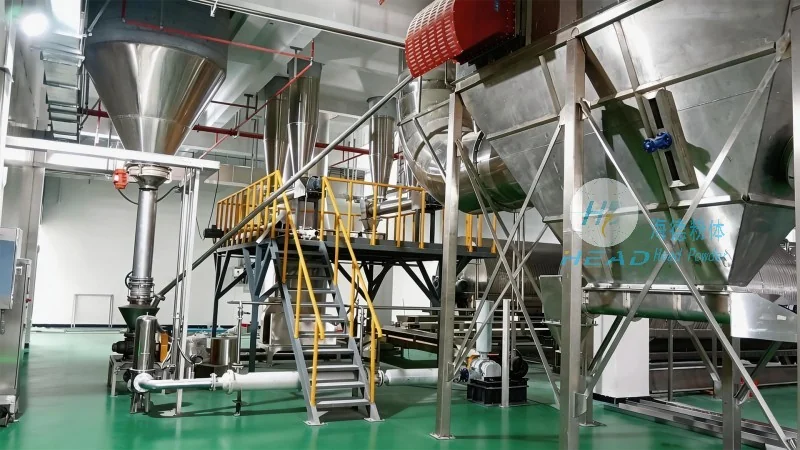
Key Design Principles for Sulfur Material Handling Systems
The design of sulfur material handling systems is governed by several critical principles that ensure safety, efficiency, and reliability. First, material compatibility is paramount. Sulfur, especially in its molten form, can be highly corrosive and reactive. Therefore, all equipment—from conveyors and storage tanks to piping and valves—must be constructed from materials that can withstand sulfur's chemical properties, such as stainless steel, special alloys, or lined components. This prevents degradation and ensures long-term system integrity.
Second, temperature control is a fundamental design consideration. Molten sulfur has a melting point of around 115°C (239°F) and can reach temperatures exceeding 200°C (392°F) during processing. Proper insulation, heat exchangers, and temperature monitoring systems are essential to maintain safe operating conditions and prevent thermal stress on equipment. Additionally, the system must be designed to handle the thermal expansion of sulfur, which can affect piping and storage vessels if not accounted for.
Third, dust and fume management is critical due to sulfur's particulate nature. Sulfur dust can be hazardous if inhaled, and sulfur fumes may pose health risks. Therefore, dust suppression systems, ventilation, and filtration are integral to the design. Enclosed conveyor systems, dust collection units, and proper ventilation ducts help minimize exposure and comply with occupational safety regulations.
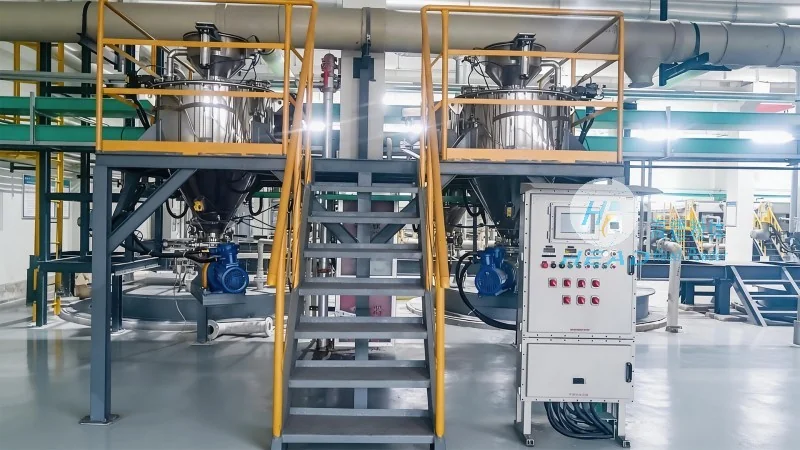
Fourth, safety and operational reliability are top priorities. Sulfur handling systems often involve high-pressure or high-temperature operations, making safety interlocks, emergency shutdown (ESD) systems, and regular maintenance protocols non-negotiable. The design must also consider the potential for sulfur to solidify or clog equipment, requiring features like agitators, scrapers, or heating elements to maintain flow. Additionally, the system should be scalable to accommodate varying production volumes and future expansion needs.
Components of a Typical Sulfur Material Handling System
A typical sulfur material handling system comprises several interconnected components, each playing a vital role in the overall process. The primary components include: storage facilities, such as silos or tanks for storing solid or molten sulfur; conveying equipment, like screw conveyors, belt conveyors, or pneumatic systems for transporting sulfur from storage to processing units; and processing equipment, such as reactors or converters for converting sulfur into other products. The system may also include auxiliary equipment, including pumps, valves, and control panels, to regulate flow, pressure, and temperature.
Storage facilities are designed to handle both solid and liquid sulfur. Solid sulfur is often stored in silos or bulk containers, while molten sulfur is kept in insulated tanks with heating elements to maintain its liquid state. The storage tanks are typically equipped with level sensors and temperature gauges to monitor the material's condition and prevent overfilling or overheating. Conveying systems are chosen based on the form of sulfur and the distance it needs to be transported. For example, screw conveyors are ideal for moving solid sulfur in a controlled manner, while pneumatic systems may be used for transporting sulfur dust or fine particles.
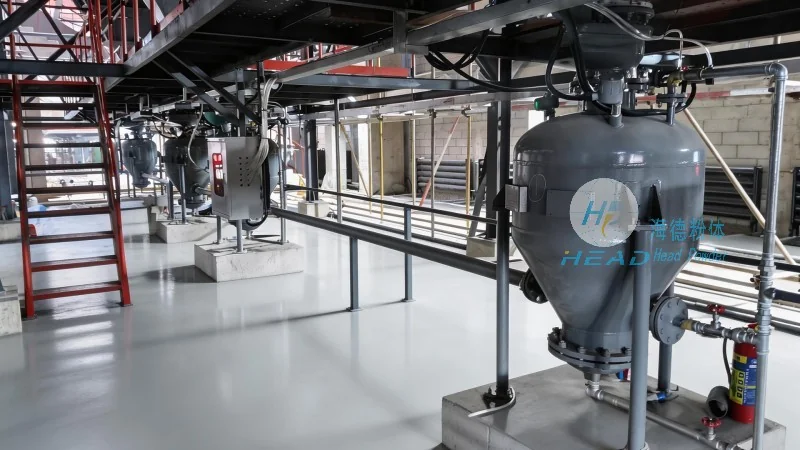
Processing equipment varies depending on the application. In chemical manufacturing, sulfur may be converted into sulfuric acid or other sulfur compounds. In mining operations, sulfur may be extracted from ore and then processed for use in fertilizers or other products. The processing units are integrated with the conveying system to ensure a continuous flow of material, minimizing downtime and maximizing productivity. Control panels and automation systems are used to monitor and adjust the system's parameters in real-time, ensuring optimal performance and safety.
HeadPowder's Expertise in Sulfur Material Handling Solutions
Shandong HeadPowder Engineering Co., Ltd. (HeadPowder) is a leading provider of specialized engineering solutions for sulfur material handling systems. With decades of experience in the industry, HeadPowder has developed a deep understanding of the unique challenges associated with handling sulfur, including its corrosive nature, high temperatures, and safety considerations. The company's team of engineers and technicians works closely with clients to design, manufacture, and install customized systems that meet their specific operational requirements.
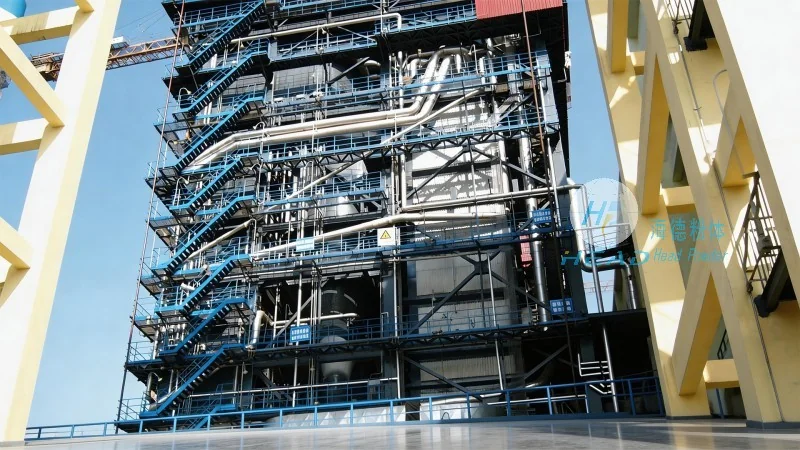
HeadPowder's approach to sulfur material handling is centered on safety, efficiency, and durability. The company uses advanced materials and technologies to ensure that its systems can withstand the harsh conditions of sulfur processing. For example, HeadPowder's equipment is constructed from high-quality stainless steel and lined with specialized materials to resist corrosion and extend service life. The company also incorporates state-of-the-art control systems and monitoring tools to enhance operational reliability and reduce maintenance costs.
HeadPowder's services extend beyond equipment supply. The company provides comprehensive engineering support, including system design, installation, and maintenance. This includes conducting feasibility studies, preparing detailed engineering drawings, and overseeing the construction and commissioning of the systems. HeadPowder's team of experts also offers training and technical support to clients, ensuring that operators are well-equipped to handle the systems safely and effectively.
HeadPowder's commitment to quality and customer satisfaction has earned it a reputation as a trusted partner in the sulfur industry. The company's systems are installed in facilities across China and other regions, serving a wide range of industries, including chemical manufacturing, mining, and energy production. By leveraging its expertise and innovative solutions, HeadPowder helps clients optimize their sulfur handling processes, improve safety, and enhance overall operational performance.




