Chip material conveying systems are integral components in various industrial processes, particularly in the wood processing and manufacturing sectors. These systems are engineered to efficiently transport wood chips, sawdust, and other wood-derived materials from one processing stage to another. Understanding the fundamentals of chip material conveying and its underlying design principles is crucial for optimizing operational efficiency, ensuring material integrity, and reducing downtime in industrial settings. HeadPowder Engineering, a leading provider of material handling solutions, specializes in designing and manufacturing high-quality chip conveying systems tailored to meet the diverse needs of industrial clients.
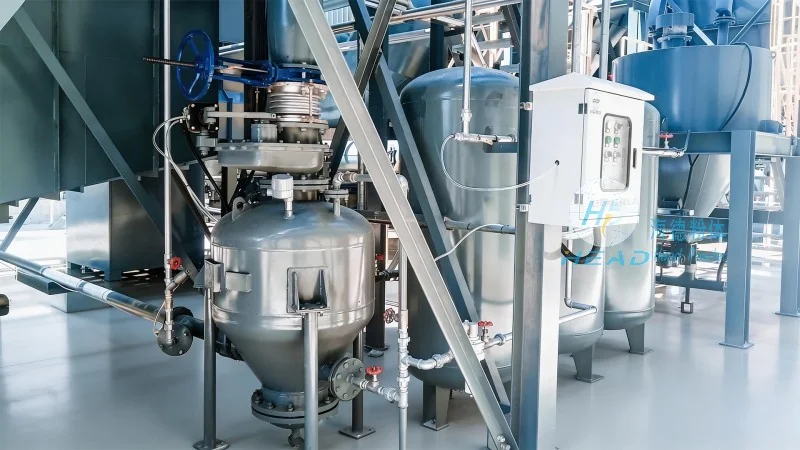
Understanding Chip Material Conveying
Chip material conveying refers to the process of transporting wood chips or similar particulate materials using mechanical or pneumatic systems. This technology is widely used in sawmills, pulp and paper mills, and biomass energy facilities. The primary goal of chip conveying is to move raw materials to processing equipment such as grinders, dryers, or storage silos while maintaining the quality and consistency of the material. Effective conveying systems minimize material degradation, prevent blockages, and ensure a steady flow of raw materials to downstream processes.
Key Design Principles of Chip Material Conveying Systems
The design of chip material conveying systems is guided by several critical principles that ensure optimal performance and reliability. These principles include material handling capacity, system efficiency, and adaptability to varying material characteristics. Engineers must consider factors such as chip size, moisture content, and density when designing a conveying system. The choice of conveying method—whether mechanical (e.g., screw conveyors, belt conveyors) or pneumatic (e.g., air slides, pneumatic conveyors)—depends on the specific application and material properties.
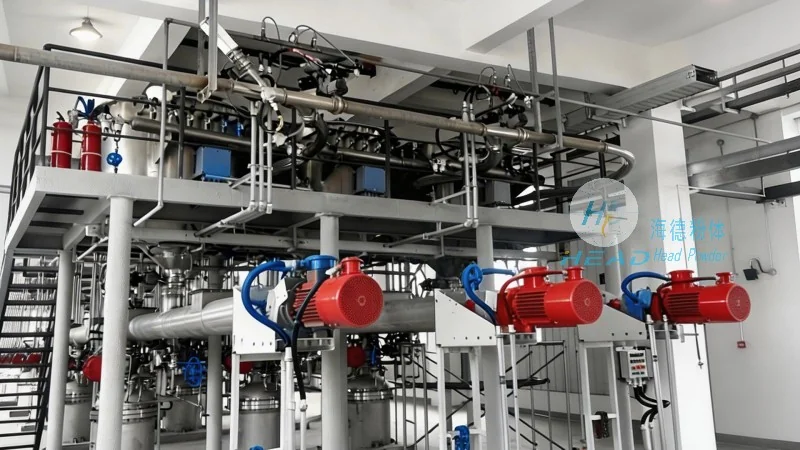
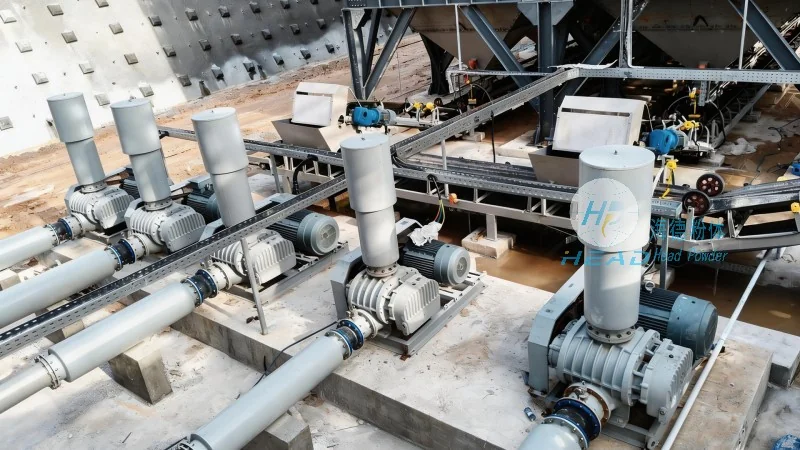
One of the fundamental design principles is the selection of appropriate equipment for the task. Screw conveyors, for instance, are ideal for handling bulk materials with moderate to high moisture content, as they provide continuous, low-speed movement that minimizes material degradation. Belt conveyors, on the other hand, are suitable for transporting larger wood chips or logs over longer distances, offering high capacity and durability. Pneumatic conveying systems, which use air pressure to move materials, are advantageous for transporting fine powders or dust, as they can handle high volumes with minimal maintenance.
System Components and Their Roles
Chip material conveying systems typically consist of several key components, each playing a vital role in the overall operation. The primary components include feeders, conveyors, control systems, and material handling accessories. Feeders are responsible for regulating the flow of material into the conveying system, ensuring a consistent feed rate. Conveyors, as the core of the system, transport the material from the feeder to the destination. Control systems monitor and adjust the operation of the conveyor, maintaining optimal performance under varying conditions. Material handling accessories, such as hoppers, chutes, and gates, facilitate the smooth transfer of material between different parts of the system.
Feeders are designed to handle different material characteristics, including size, shape, and moisture content. Screw feeders, for example, use a rotating screw to push material forward, while belt feeders use a moving belt to transport material. The choice of feeder depends on the material's properties and the required flow rate. Conveyors are selected based on the distance to be covered and the material's characteristics. Screw conveyors are often used for short to medium distances, while belt conveyors are suitable for longer distances. Pneumatic conveyors are ideal for high-volume, low-distance applications.
Material Handling Efficiency and System Optimization
Efficiency in chip material conveying is achieved through careful system design and regular maintenance. Engineers focus on minimizing energy consumption, reducing material loss, and ensuring consistent material flow. The design of the conveying system must account for factors such as material friction, air resistance (in pneumatic systems), and the risk of blockages. Proper system sizing and component selection are critical to avoid overloading or underutilizing the equipment. Regular maintenance, including cleaning, lubrication, and inspection of components, is essential to maintain system performance and prevent breakdowns.
System optimization involves monitoring key performance indicators (KPIs) such as throughput, energy consumption, and material degradation. By analyzing these metrics, engineers can identify areas for improvement and implement changes to enhance system efficiency. For example, adjusting the speed of the conveyor or modifying the feeder's design can improve material flow and reduce energy use. Additionally, using advanced control systems and sensors can provide real-time data on system performance, enabling proactive maintenance and adjustments.
Application Examples and Industry Use Cases
Chip material conveying systems are widely used in various industries, with applications ranging from sawmills to biomass power plants. In sawmills, these systems transport wood chips from debarking and cutting operations to grinders or dryers. The efficiency of the conveying system directly impacts the overall production capacity of the mill. In pulp and paper mills, chip conveying is essential for moving raw wood chips to the pulping process, where they are converted into pulp. In biomass energy facilities, chip conveying systems transport wood chips to boilers or gasifiers for energy production.
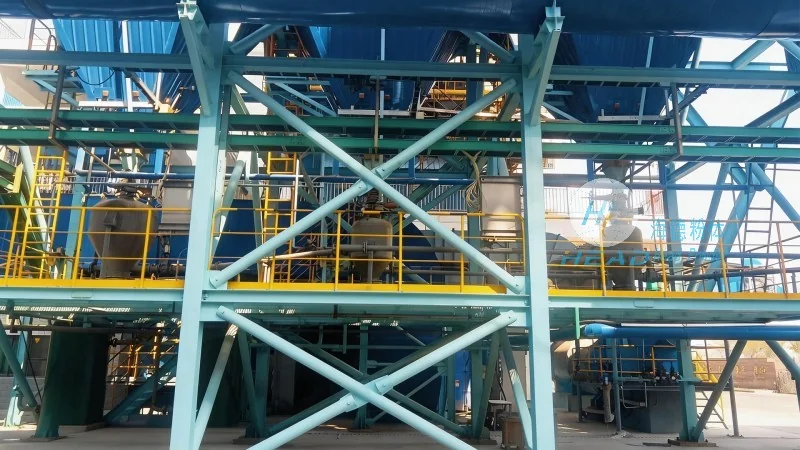
In addition to industrial applications, chip material conveying is also used in research and development settings to test new materials and processes. Engineers and researchers use these systems to study the behavior of different wood chip types under various conditions, such as varying moisture content or particle size. This research helps in developing more efficient and sustainable wood processing technologies.
Conclusion
Chip material conveying is a critical technology in the wood processing and manufacturing industries, enabling the efficient transport of wood chips and other materials. The design principles of these systems, including material handling capacity, system efficiency, and adaptability, are essential for optimizing operational performance. By understanding the key components and design considerations, industries can select and implement effective conveying systems that enhance productivity, reduce costs, and ensure material quality. HeadPowder Engineering, with its expertise in material handling solutions, continues to innovate and provide high-performance chip conveying systems that meet the evolving needs of the industry. Located in Shandong, China, HeadPowder Engineering leverages advanced engineering and manufacturing capabilities to deliver reliable and efficient solutions for wood processing and related applications.




