Tea material handling is a specialized process that involves the efficient movement, storage, and processing of tea leaves and related components from the point of origin to the final production stage. This process is critical for ensuring the quality and consistency of tea products, as it directly impacts the final taste, appearance, and marketability of the tea. The design principles behind tea material handling systems are tailored to address the unique characteristics of tea leaves, such as their delicate structure, varying sizes, and moisture content, which require careful handling to prevent damage and maintain quality. Proper tea material handling not only preserves the natural flavors and aromas of the tea leaves but also ensures that the final product meets the stringent standards expected by consumers and industry regulations.
Understanding the Core Components of Tea Material Handling Systems
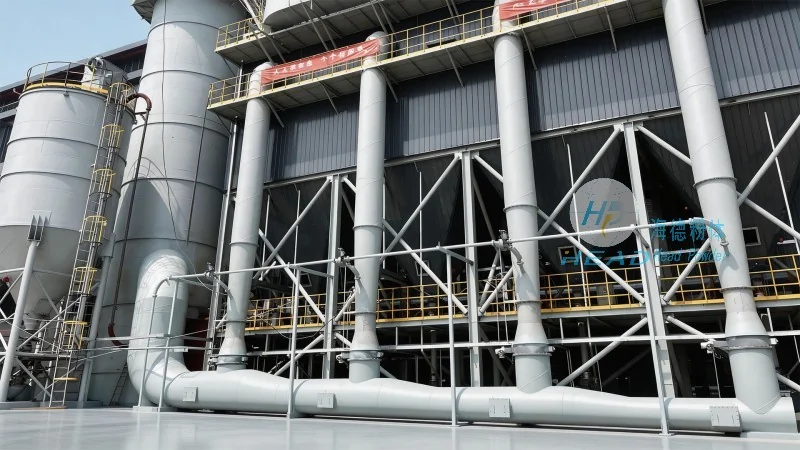
Tea material handling systems typically consist of several key components that work in tandem to achieve efficient processing. These components include feeding mechanisms, conveying systems, sorting equipment, and storage solutions. Each component is designed to handle specific tasks in the tea production workflow, from the initial collection of tea leaves from fields or processing facilities to the final packaging of the finished product. For instance, feeding mechanisms are used to collect loose tea leaves, often from tea plucking machines or manual harvesting, and transport them to the processing area. Conveying systems then move the leaves through various stages of processing, such as withering (where leaves lose moisture to become pliable), rolling (to break down cell walls and release enzymes), and drying (to reduce moisture content and stop the fermentation process). Sorting equipment, including optical sorters or mechanical sifters, separates tea leaves based on size, shape, or quality, ensuring that only the best leaves proceed to the next stage. Storage solutions, such as silos or bulk containers, hold the processed tea leaves until they are ready for packaging or distribution, maintaining their quality and preventing spoilage.
The Importance of Design Principles in Tea Material Handling
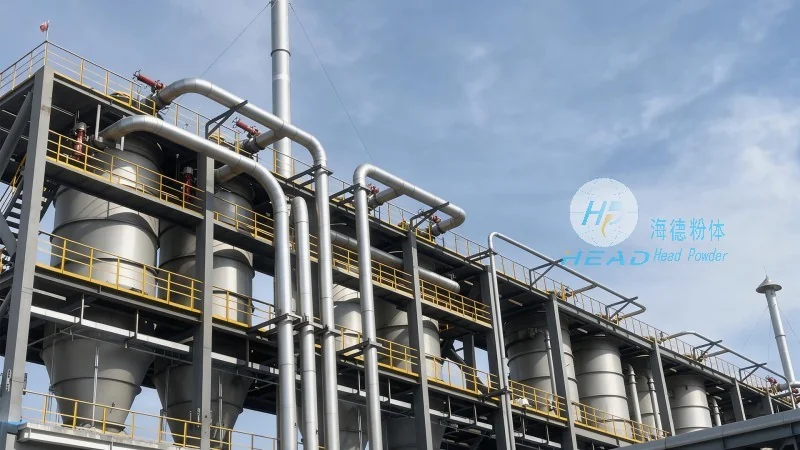
The design principles of tea material handling systems are crucial for optimizing efficiency and maintaining product quality. These principles are based on the physical and chemical properties of tea leaves, as well as the specific requirements of the tea production process. For example, the design of conveying systems must consider the delicate nature of tea leaves, which can be easily crushed or broken if handled too roughly. Therefore, many tea material handling systems use gentle conveying methods, such as belt conveyors with soft, non-abrasive surfaces or pneumatic conveyors that use air to move leaves without physical contact. This approach minimizes the risk of damage and preserves the leaves' natural characteristics. Additionally, the design of sorting equipment must account for the varying sizes and shapes of tea leaves, as well as the need to separate different grades of tea (e.g., high-grade green tea from lower-grade oolong tea). Advanced technologies, such as optical sorting (which uses cameras and sensors to detect color, size, and shape variations) or vibration sorting (which separates leaves based on their density and weight), are often employed to ensure accurate and efficient separation. These technologies enhance the precision of the sorting process and reduce the need for manual intervention, improving overall efficiency.
Key Design Considerations for Tea Material Handling
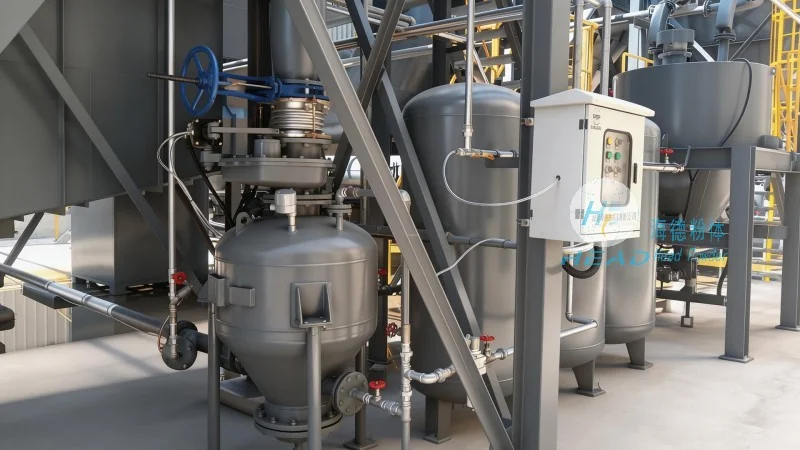
When designing a tea material handling system, several key factors must be considered to ensure optimal performance. These factors include the capacity of the system, the speed of processing, the energy efficiency of the equipment, and the overall cost of operation. The capacity of the system is determined by the volume of tea leaves that need to be processed, and it must be sufficient to meet production demands without causing bottlenecks. For example, a large-scale tea factory processing 10 tons of leaves per day requires a system with a higher capacity than a small artisanal operation processing only 1 ton per day. The speed of processing is also critical, as it directly impacts the overall efficiency of the tea production line. A faster system can reduce processing time and increase output, but it must be balanced with the need to maintain quality. Energy efficiency is another important consideration, as it helps to reduce operating costs and minimize the environmental impact of the system. Modern tea material handling systems often incorporate energy-saving features, such as variable-speed drives for conveyors or automated controls that adjust energy use based on production levels. Finally, the overall cost of the system must be considered, as it must be affordable and provide a good return on investment for the tea manufacturer. This includes not only the initial purchase cost but also the long-term operating costs, maintenance requirements, and lifespan of the equipment.
HeadPowder Engineering's Approach to Tea Material Handling Solutions
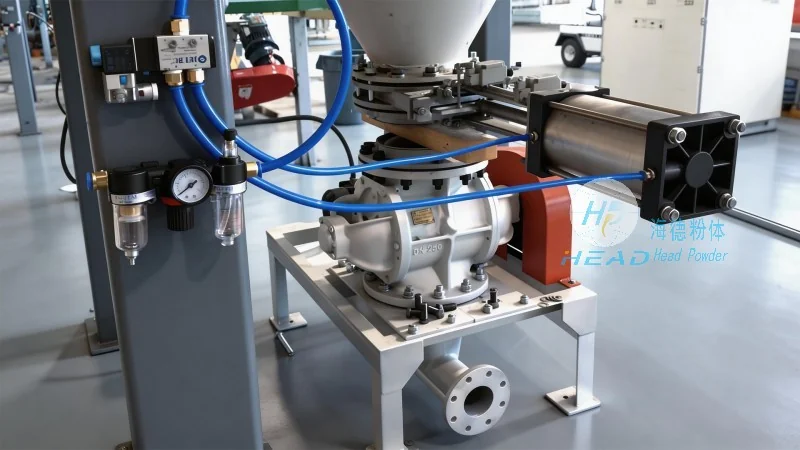
Shandong HeadPowder Engineering Co., Ltd. specializes in providing comprehensive tea material handling solutions tailored to the unique needs of tea manufacturers. With years of experience in the industry, HeadPowder has developed a deep understanding of the challenges faced by tea producers and has designed systems that address these challenges effectively. The company's approach to tea material handling is centered on the principle of efficiency and quality, ensuring that tea leaves are handled with care and processed to the highest standards. HeadPowder's tea material handling systems are designed to be flexible and adaptable, allowing them to be customized to meet the specific requirements of each client. Whether it's a small-scale tea processing facility in China or a large-scale commercial operation in another country, HeadPowder can provide a solution that meets the needs of the client. The company's team of engineers and technicians work closely with clients to understand their production processes, identify areas for improvement, and develop tailored solutions. This collaborative approach ensures that the final system is not only efficient but also cost-effective and easy to operate. HeadPowder also emphasizes the use of high-quality materials and components in its systems, ensuring durability and long-term performance. The company's commitment to quality and customer satisfaction has made it a trusted partner for tea manufacturers worldwide.




