Potash fertilizer material handling is a critical process in the agricultural industry, focusing on the efficient movement, storage, and distribution of potash-based fertilizers. This process ensures that the valuable nutrients are delivered to agricultural sites in a safe and effective manner. The design principles behind potash fertilizer handling systems are tailored to address the unique characteristics of these materials, including their bulk density, flowability, and potential for dust generation. Understanding these principles is essential for optimizing operational efficiency and maintaining product quality throughout the handling chain.
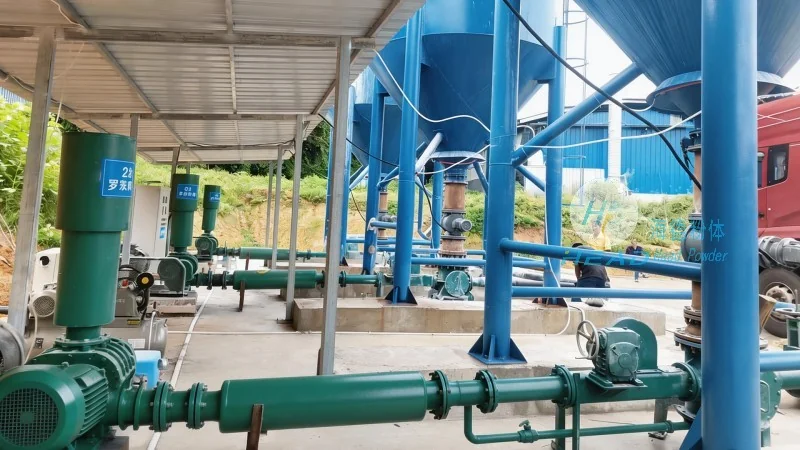
Key Design Considerations for Potash Fertilizer Handling Systems
When designing a potash fertilizer material handling system, several key factors must be considered to ensure optimal performance. First, the system must be capable of handling the high bulk density and abrasive nature of potash fertilizers. This often requires specialized equipment such as bulk material feeders, conveyors, and storage silos that are constructed from durable materials like stainless steel or high-grade alloys to withstand wear and corrosion. Second, the design must incorporate effective dust control measures. Potash fertilizers can generate significant dust, which poses health and safety risks and can affect the quality of the material. Solutions include dust collection systems, sealed conveyor lines, and proper ventilation to minimize exposure. Third, the system should prioritize safety and compliance with industry standards. This includes features like emergency stop mechanisms, proper grounding to prevent static buildup, and regular maintenance protocols to ensure long-term reliability.
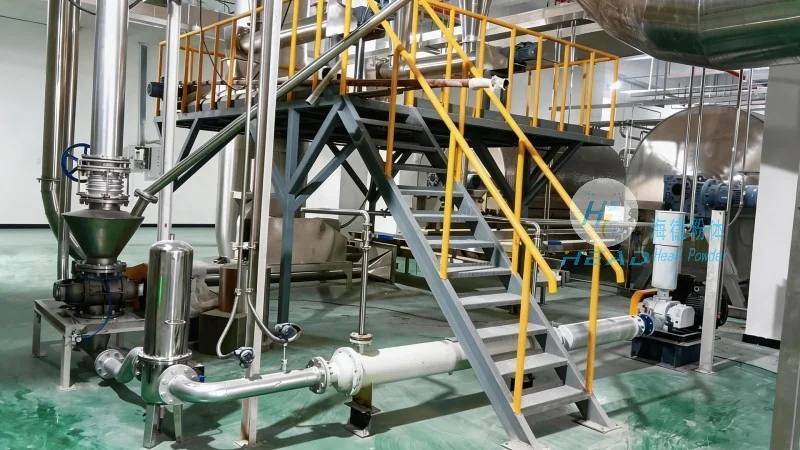
The Role of Material Handling Equipment in Potash Fertilizer Processing
Various types of material handling equipment are integral to potash fertilizer processing. Conveyors, such as belt conveyors or screw conveyors, are commonly used to transport potash from storage silos to processing units or loading areas. These systems are designed to handle the bulk volume of the material while minimizing spillage and dust. Bulk material feeders, including rotary valves and vibratory feeders, regulate the flow of potash into processing equipment, ensuring a consistent and controlled feed rate. Storage silos and hoppers are also critical components, providing a secure and organized storage solution that prevents material degradation and ensures easy access for distribution. The selection of equipment depends on the specific application, such as bulk loading for trucks or direct feeding into agricultural machinery, and must align with the design principles outlined above.
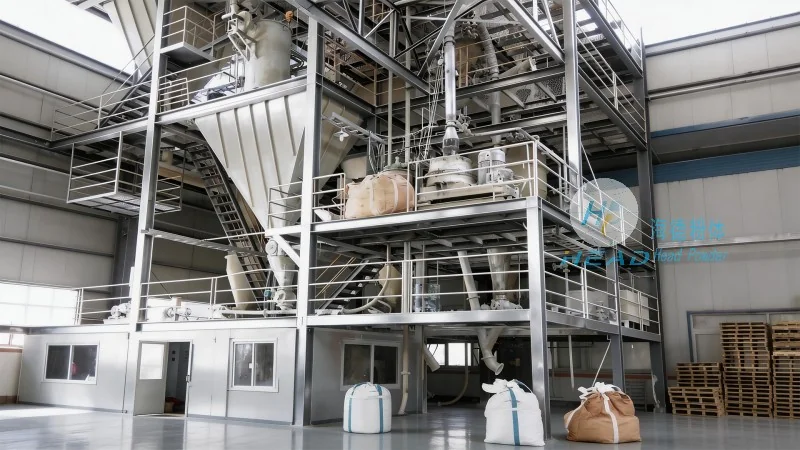
Company Profile: Shandong HeadPowder Engineering Co., Ltd.
HeadPowder, a leading engineering company based in Shandong, China, specializes in the design and manufacturing of advanced material handling systems for the fertilizer industry. With years of experience in the field, HeadPowder has developed a reputation for delivering high-quality, customized solutions that meet the unique needs of potash fertilizer producers. The company's expertise lies in integrating cutting-edge technology with robust engineering principles to create efficient and reliable handling systems. HeadPowder's team of engineers and technicians work closely with clients to understand their operational requirements and provide tailored solutions that enhance productivity and safety. The company's commitment to innovation and customer satisfaction has made it a trusted partner in the agricultural equipment sector.
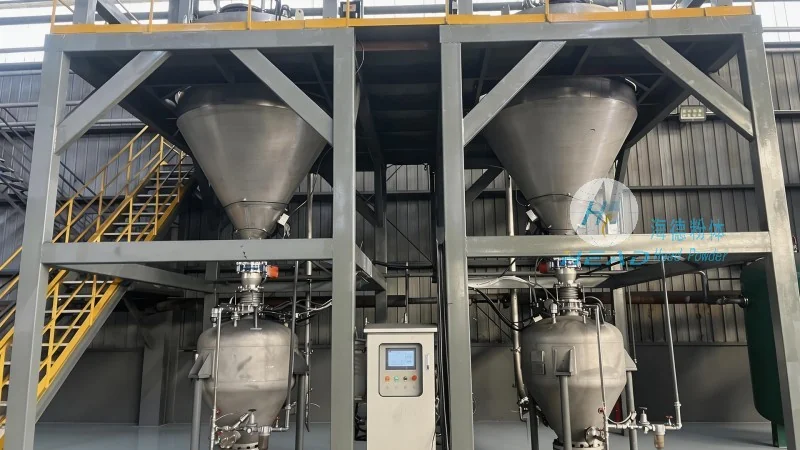
Address and Contact Information
Shandong HeadPowder Engineering Co., Ltd. is located in Shandong, China. The company's facilities are equipped with state-of-the-art manufacturing capabilities and testing equipment, ensuring that all products meet stringent quality standards. HeadPowder's focus on research and development enables the company to stay at the forefront of material handling technology, continuously improving its offerings to meet evolving industry demands.




