Silica micropowder material handling encompasses the processes and systems used to transport, store, and manage fine silica powders in industrial settings. These powders, defined by their particle sizes typically ranging from 1 to 100 micrometers, are widely used in applications such as pharmaceuticals, electronics, and specialty chemicals due to their unique properties, including high purity and consistent particle size distribution. However, their fine nature presents significant challenges in handling, as they are prone to generating dust, causing static charge buildup, and exhibiting flow characteristics that can lead to blockages or uneven distribution. Effective material handling is therefore critical for maintaining product quality, ensuring operational efficiency, and adhering to safety standards in these industries.
Key Design Principles for Silica Micropowder Handling Systems
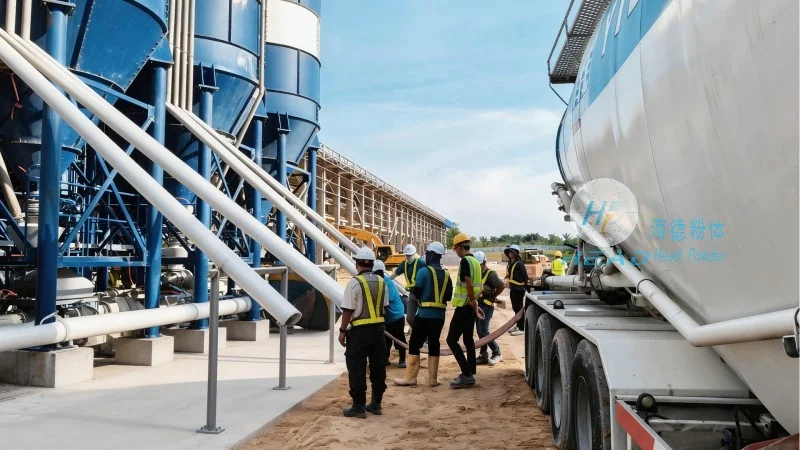
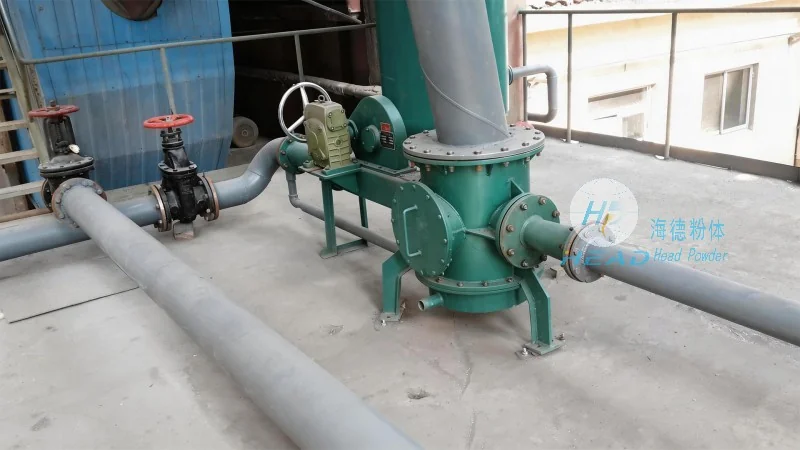
The design of silica micropowder handling systems must address several critical factors to ensure reliable and safe operation. First, dust control is paramount, as silica powders can create hazardous airborne dust that poses health risks to workers and can contaminate products. Enclosed conveying equipment, such as pneumatic conveying lines or screw conveyors with dust-tight enclosures, is commonly used to minimize dust exposure. Second, the system must manage static electricity, which can cause sparks or attract particles, leading to equipment malfunctions or fire hazards. Solutions include grounding systems, anti-static additives, or ionizers integrated into the conveying lines. Third, the design must account for the material's flow properties. Silica micropowders can exhibit cohesive or bridging behavior, which may lead to blockages in hoppers or chutes. To prevent this, engineers often incorporate features like vibration systems, air knives, or inclined chutes to maintain consistent flow. Fourth, the system must ensure efficient material transfer from storage to processing equipment, minimizing downtime and maximizing productivity. This may involve integrating sensors and control systems to monitor flow rates, pressure differentials, and temperature, allowing for real-time adjustments to optimize performance.
Role of HeadPowder in Silica Micropowder Handling Solutions
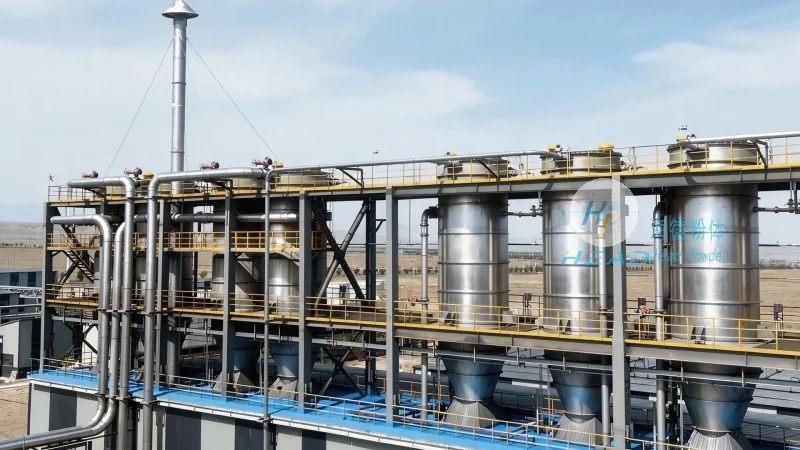
Shandong HeadPowder Engineering Co., Ltd., or HeadPowder, specializes in the design and manufacturing of advanced material handling systems tailored for silica micropowders. With headquarters in Shandong, China, HeadPowder leverages decades of experience and technical expertise to develop customized solutions that meet the specific needs of clients across various industries. The company's approach focuses on integrating cutting-edge technology with practical engineering to address the unique challenges of handling fine powders. For example, HeadPowder may offer enclosed pneumatic conveying systems that use positive pressure to transport silica micropowders from storage silos to processing equipment, ensuring minimal dust leakage and efficient material transfer. These systems are equipped with advanced control panels that allow operators to monitor and adjust parameters such as flow rate, pressure, and temperature in real time. Additionally, HeadPowder may incorporate anti-static and dust collection features into their designs, ensuring compliance with safety regulations and maintaining a clean working environment.
Key Components and Technologies in Silica Micropowder Handling
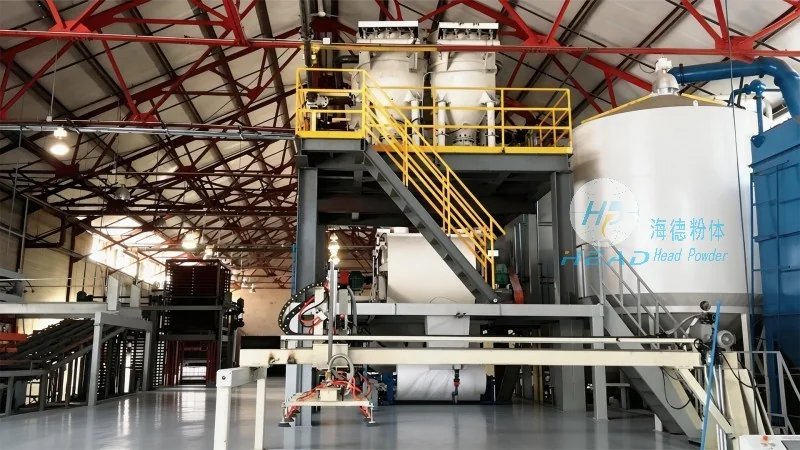
Effective silica micropowder handling systems rely on several key components and technologies. Conveying equipment, such as rotary valves or rotary airlocks, are critical for controlling the flow of material from hoppers into conveying lines. These components must be designed to handle fine powders without causing blockages or excessive wear. Rotary valves, for instance, use a rotating disc to regulate material flow, while rotary airlocks use a rotating seal to prevent dust leakage. For pneumatic conveying, the choice between positive and negative pressure systems depends on the application and material properties. Positive pressure systems are often preferred for long-distance or high-volume transport, as they provide better control over material flow and reduce the risk of dust leakage. In contrast, negative pressure systems may be used for short-distance transport or in environments where dust containment is critical. Dust collection systems, such as cartridge filters or baghouses, are essential for capturing any airborne particles and maintaining a clean working environment. These systems must be designed to handle the specific characteristics of silica micropowders, including their fine particle size and potential for static charge buildup. Additionally, the system may include vibration systems or air knives to prevent blockages in chutes or hoppers, ensuring smooth material flow.




