When it comes to transporting dry mix mortar, selecting the right system is crucial for efficiency, safety, and cost-effectiveness. Two primary methods dominate the industry: positive pressure transport and negative pressure transport. Understanding the differences between these two approaches is essential for making an informed decision. This article will explore the key characteristics of each system, helping you distinguish between them and choose the most suitable option for your project.
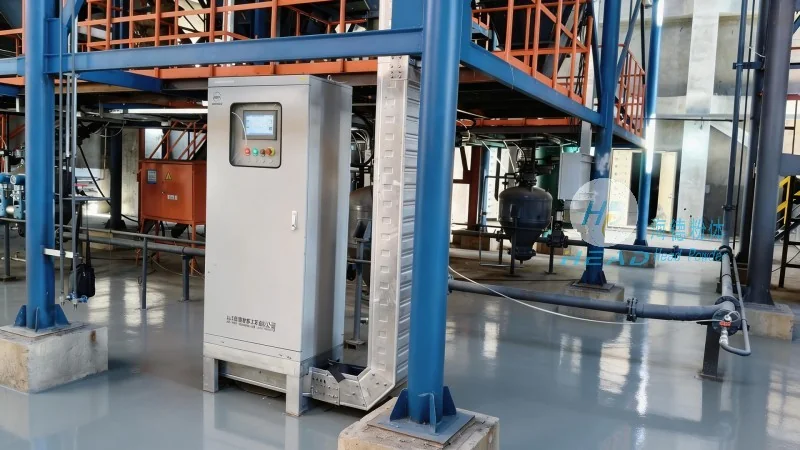
Understanding Dry Mix Mortar Transport Systems
Dry mix mortar, a versatile construction material, requires specialized equipment for efficient transport from the production site to the construction site. The choice of transport system directly impacts the quality of the mortar, operational costs, and overall project timeline. Two main categories of transport systems are widely used: positive pressure and negative pressure. Each has its own set of advantages and limitations, making it important to evaluate them based on specific project requirements.
Positive Pressure Transport: Advantages and Applications
Positive pressure transport, also known as pressure-fed or pneumatic pressure transport, uses compressed air to push the dry mix mortar through a pipeline. This method is particularly effective for transporting mortar over longer distances or through complex network systems. The primary advantage of positive pressure transport is its ability to maintain consistent flow rates, even when dealing with thick or high-viscosity mixtures. The system typically includes a pump or compressor that generates the necessary pressure to move the material, ensuring reliable delivery to the job site. This approach is often preferred in large-scale construction projects where multiple delivery points are involved, as it allows for simultaneous or sequential delivery to different locations.
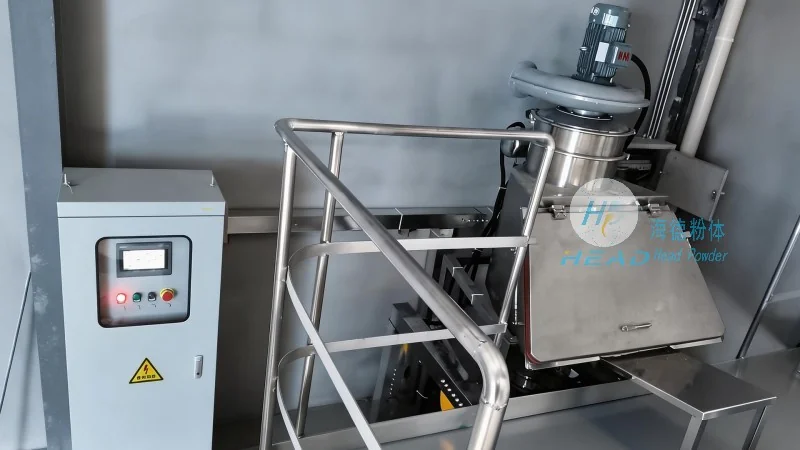
Negative Pressure Transport: Advantages and Applications
Negative pressure transport, or suction transport, utilizes a vacuum to draw the dry mix mortar into a collection system and then transports it to the destination. This method is generally more suitable for shorter distances or when the material needs to be collected from various sources and consolidated before transport. The key benefit of negative pressure transport is its lower energy consumption compared to positive pressure systems, as it relies on the vacuum created by a fan or blower rather than continuous pressure. This can result in reduced operational costs, especially for projects with limited power availability or where energy efficiency is a priority. However, negative pressure transport may be less effective for transporting highly viscous or abrasive mixtures, as the suction force might not be sufficient to maintain consistent flow.
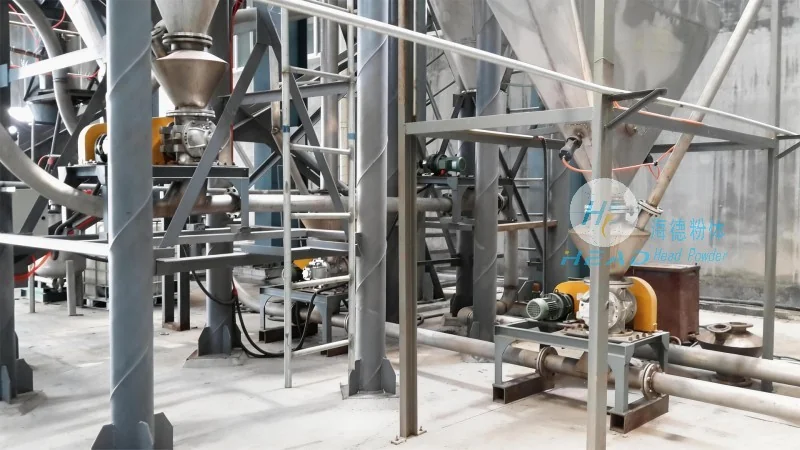
Distinguishing Between Positive and Negative Pressure Transport
How can you tell which system is right for your needs? The decision often hinges on several factors, including the distance between the production and construction sites, the volume of mortar required, and the nature of the mix (e.g., viscosity, particle size). For instance, if you need to transport mortar over several kilometers or through a network of pipelines, positive pressure transport is likely the better choice due to its ability to maintain pressure and flow. Conversely, if the distance is short and the project involves collecting mortar from multiple sources, negative pressure transport may offer cost savings and simplicity. Additionally, consider the equipment available and the operational environment. Positive pressure systems may require more maintenance due to the moving parts of the pump, while negative pressure systems might need more frequent cleaning to prevent clogging from abrasive materials.
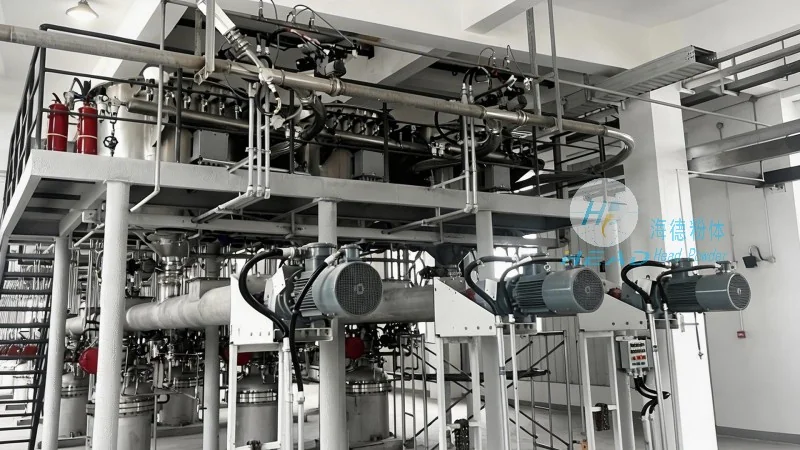
Factors to Consider When Choosing a Transport System
Beyond the basic advantages of each system, several other factors should influence your decision. First, evaluate the cost implications. Positive pressure systems typically involve higher initial investment due to the need for a compressor or pump, but they may offer lower long-term operational costs if the distance is significant. Negative pressure systems, while cheaper upfront, might incur higher maintenance costs due to the fan and potential clogging issues. Second, consider the environmental impact. Both systems can be designed to minimize dust emissions, but positive pressure transport may generate more noise due to the pump operation. Third, assess the safety aspects. Positive pressure systems require proper ventilation to prevent the buildup of pressure, while negative pressure systems must ensure adequate suction to avoid air leaks or material backflow. Finally, consult with industry experts or suppliers like Shandong HeadPowder Engineering Co., Ltd., a leading manufacturer based in China, to get tailored advice based on your specific project requirements.
Conclusion: Making the Right Choice
Choosing between positive pressure and negative pressure for dry mix mortar transport is a critical decision that impacts project success. By understanding the characteristics of each system and evaluating your project's unique needs, you can select the most efficient and cost-effective solution. Whether you opt for the robust performance of positive pressure transport or the energy-efficient approach of negative pressure transport, the key is to align the system with your operational goals. Shandong HeadPowder Engineering Co., Ltd. specializes in providing high-quality transport solutions tailored to the dry mix mortar industry, ensuring that your project benefits from the best possible technology and support.




