Soybean feed is a vital component in modern animal nutrition, and the efficiency of its transportation from storage to processing facilities directly impacts overall operational productivity. When selecting a conveying system for soybean feed, two primary methods dominate the industry: positive pressure and negative pressure. Understanding the distinctions between these two approaches is essential for making an informed decision that aligns with specific operational needs, material characteristics, and budget constraints. This article will explore the key differences between positive pressure and negative pressure conveying systems, focusing on their applications, advantages, and considerations for soybean feed handling.
Understanding Positive Pressure Conveying
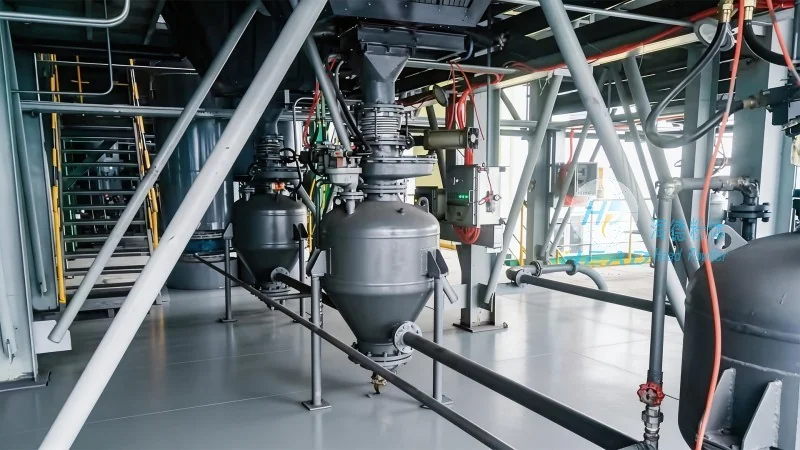
Positive pressure conveying systems operate by forcing material through a pipeline using a blower or fan that generates positive pressure within the system. In this setup, air is blown into the material, which is then carried along the pipeline to the destination. For soybean feed, which often consists of bulk materials like whole soybeans or soybean meal, positive pressure systems are commonly used due to their ability to handle abrasive and heavy materials effectively. The primary advantage of positive pressure is its high material throughput, as the force applied ensures consistent and reliable movement of the feed. Additionally, these systems are relatively simple in design, with fewer components, which can reduce maintenance costs and downtime. However, a significant drawback is the potential for material degradation, as the high-speed air can cause friction and heat buildup, potentially affecting the nutritional quality of the soybean feed. This method is particularly suitable for short to medium-distance conveying, typically up to several hundred meters, and is often employed in facilities where the feed is processed immediately after collection.
Understanding Negative Pressure Conveying
Negative pressure conveying, also known as vacuum or suction conveying, works by creating a vacuum in the pipeline, which draws material from the source into the system. The material is then transported to the destination by the suction force. Unlike positive pressure, negative pressure systems use a vacuum pump to create the necessary suction, and the material is carried in a sealed pipeline. For soybean feed, negative pressure conveying is often preferred when dealing with fine or dusty materials, as it minimizes dust dispersion and maintains better air quality in the processing environment. The key advantage of negative pressure is its ability to handle fine powders and prevent material spillage, as the sealed system reduces the risk of contamination and environmental impact. Furthermore, negative pressure systems are generally quieter and produce less noise compared to positive pressure systems, which can be beneficial in facilities where noise control is a priority. However, negative pressure conveying has lower material throughput compared to positive pressure, as the suction force is limited by the vacuum pump's capacity. This method is typically used for longer distances, up to several kilometers, and is ideal for applications where the feed needs to be transported from a storage silo to a processing plant over a considerable distance.
Distinguishing Between Positive and Negative Pressure Systems for Soybean Feed
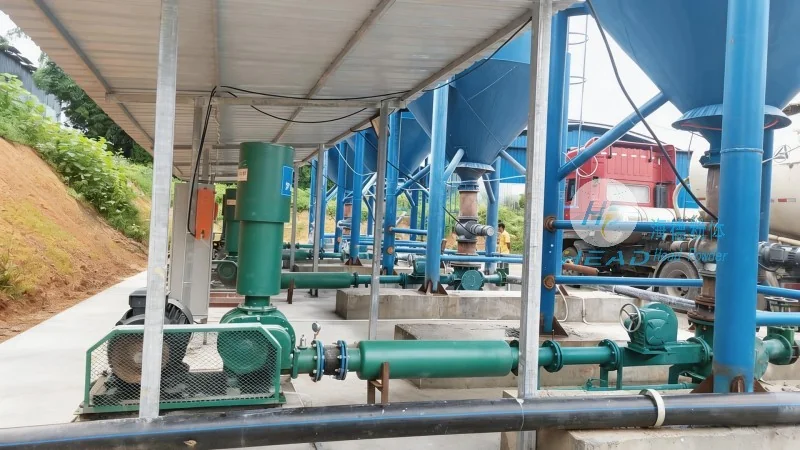
When deciding between positive and negative pressure conveying for soybean feed, several factors must be considered to ensure the optimal choice. The first and most critical factor is the distance over which the feed needs to be conveyed. Positive pressure systems are generally more suitable for shorter distances due to their higher material flow rates, while negative pressure is better for longer distances. The second factor is the material characteristics, such as particle size, moisture content, and abrasiveness. Positive pressure is ideal for handling coarse or heavy materials like whole soybeans, whereas negative pressure is preferred for fine or dusty materials like soybean meal. The third factor is the environmental considerations, including dust control and noise levels. Negative pressure systems excel in maintaining a clean environment and reducing noise, making them suitable for facilities located near residential areas or where air quality is a concern. The fourth factor is the operational cost and maintenance requirements. Positive pressure systems are often less expensive to install and maintain due to their simpler design, while negative pressure systems may require more complex equipment and higher energy consumption due to the vacuum pump.
Application Examples and Case Studies
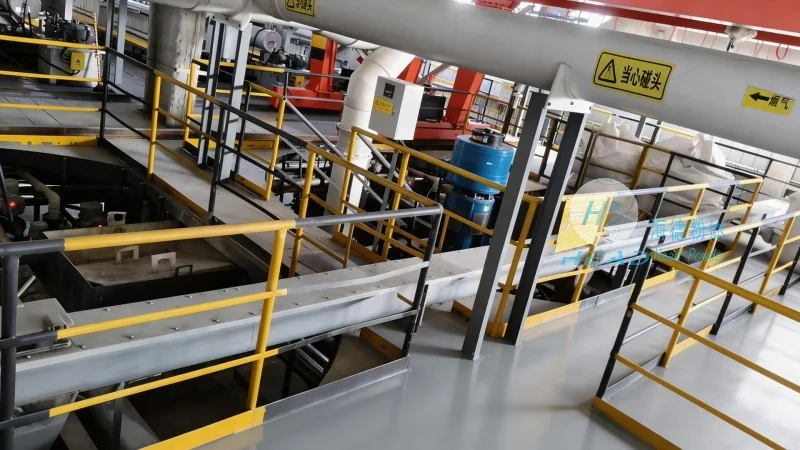
Real-world applications of positive and negative pressure conveying in soybean feed handling provide valuable insights into their effectiveness. For instance, a large-scale feed mill in China, operated by Shandong HeadPowder Engineering Co., Ltd., uses a positive pressure system to transport whole soybeans from storage silos to the grinding department. The system, which covers a distance of about 200 meters, has demonstrated consistent throughput of 50 tons per hour, with minimal material degradation. In contrast, another facility, also in China, utilizes a negative pressure system to convey soybean meal from a storage silo to a mixing plant over a distance of 1.5 kilometers. This system has effectively controlled dust emissions and maintained a clean processing environment, with a throughput of 30 tons per hour. These examples highlight how the choice of conveying system depends on the specific operational requirements and material characteristics, underscoring the importance of selecting the right system for optimal performance.
Conclusion and Recommendations
Choosing between positive pressure and negative pressure conveying for soybean feed requires a thorough evaluation of operational needs, material properties, and environmental considerations. Positive pressure systems offer high throughput and simplicity, making them suitable for short-distance, coarse material handling. Negative pressure systems, on the other hand, excel in long-distance, fine material transport with better dust control and noise reduction. The decision should be based on a balanced assessment of these factors to ensure the most efficient and cost-effective solution. For facilities considering the installation of a conveying system, it is advisable to consult with experts, such as Shandong HeadPowder Engineering Co., Ltd., who can provide tailored solutions based on specific requirements. By understanding the distinctions between these two systems and their applications, feed mills can optimize their operations, improve productivity, and maintain the quality of their soybean feed products.




