

What is Automatic Waste Loading Material Handling? And What Are Its Design Principles?
Automatic waste loading material handling systems represent a sophisticated solution for managing waste processing operations efficiently. These systems are engineered to automate the loading of waste materials into processing equipment, such as compactors or transfer vehicles, streamlining the workflow and reducing manual labor. The core of these systems lies in their ability to integrate seamlessly with existing waste management infrastructure, enhancing operational efficiency and reducing the environmental impact of waste handling.
Understanding the Core Components of Automatic Waste Loading Material Handling
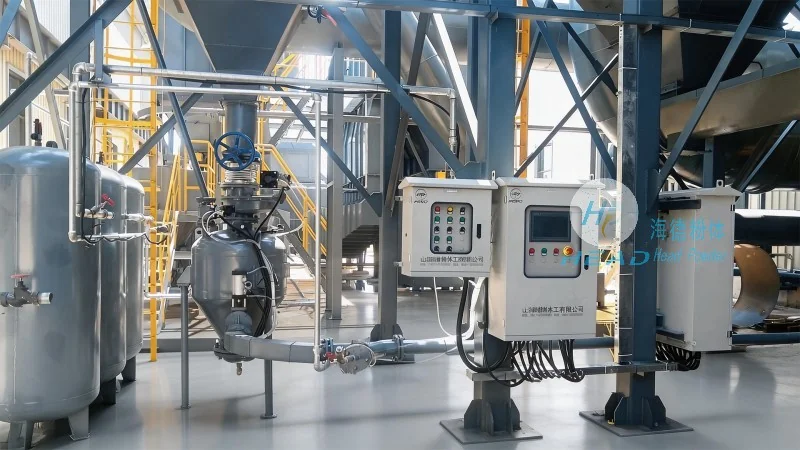
The design of an automatic waste loading material handling system typically involves several key components that work in concert to achieve the desired functionality. These components include a waste collection hopper or container, an automated conveyor system, a loading mechanism (such as a robotic arm or hydraulic lift), and a control system that manages the entire process. The collection hopper is designed to hold a substantial volume of waste, ensuring a continuous supply for processing. The conveyor system transports the waste from the hopper to the loading mechanism, which then deposits the material into the processing equipment. The control system, often integrated with sensors and automation technology, monitors the entire process, adjusts parameters as needed, and ensures safety and efficiency.
Design Principles Behind Automatic Waste Loading Material Handling Systems
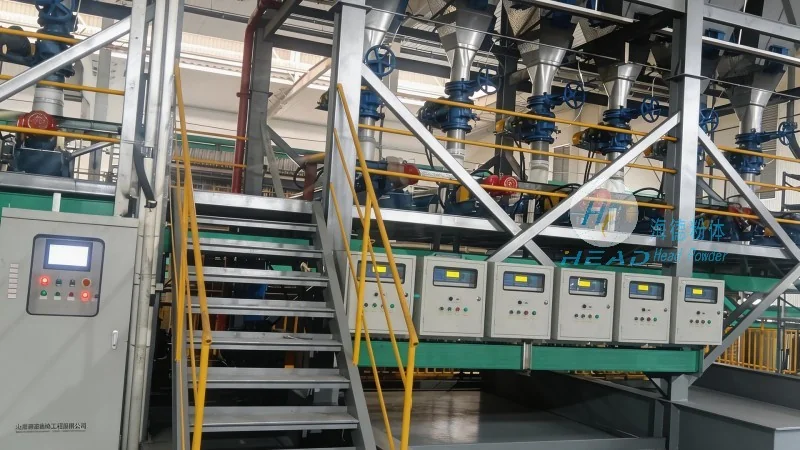
The design principles of automatic waste loading material handling systems are centered on optimizing efficiency, safety, and sustainability. Efficiency is achieved through the automation of manual tasks, reducing the time and labor required for waste loading. Safety is prioritized through the use of automated mechanisms that minimize human interaction with potentially hazardous waste materials. Sustainability is addressed by reducing the environmental footprint of waste handling through optimized material flow and reduced energy consumption. The design also considers the specific characteristics of the waste being handled, such as size, density, and type, to ensure the system can accommodate a wide range of materials. Additionally, the systems are designed for scalability, allowing them to be expanded or modified as waste processing needs evolve.
Applications and Benefits of Automatic Waste Loading Material Handling
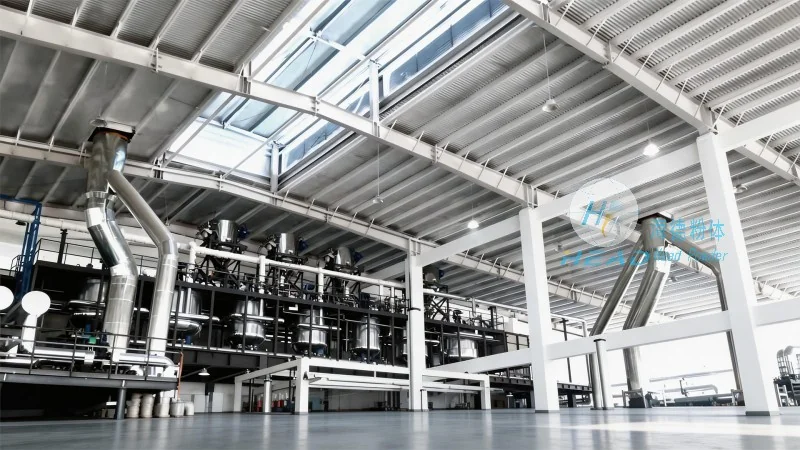
Automatic waste loading material handling systems are widely used in various waste management applications, including municipal solid waste (MSW) processing, industrial waste handling, and recycling facilities. In municipal settings, these systems enhance the efficiency of waste collection and processing, allowing for faster turnaround times and reduced operational costs. In industrial environments, they help manage large volumes of waste from manufacturing processes, ensuring compliance with environmental regulations and improving overall operational efficiency. The benefits of these systems extend beyond efficiency and safety; they also contribute to cost savings by reducing labor costs and minimizing waste-related accidents. Furthermore, the automation of waste loading reduces the risk of contamination and improves the quality of the processed materials, which is particularly important in recycling operations.
Key Features and Advantages of the Systems from Shandong HeadPowder Engineering Co., Ltd.
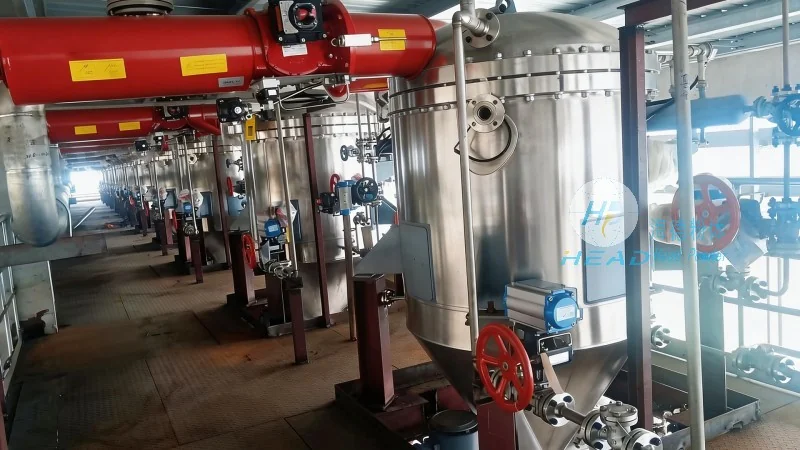
Shandong HeadPowder Engineering Co., Ltd., a leading provider of waste management solutions, offers advanced automatic waste loading material handling systems that incorporate cutting-edge technology and robust design. The company's systems are engineered to meet the diverse needs of waste processing facilities, ensuring reliability and performance. Key features include high-capacity waste collection hoppers, durable conveyor systems capable of handling various waste types, and precise loading mechanisms that ensure consistent material flow. The control systems are equipped with user-friendly interfaces and advanced sensors that provide real-time monitoring and data analysis, enabling operators to optimize performance and troubleshoot issues quickly. The systems are also designed for easy maintenance and integration with existing infrastructure, minimizing downtime and operational disruptions. The company's commitment to quality and innovation ensures that their automatic waste loading material handling systems are among the most efficient and reliable in the industry.
Conclusion and Future Directions in Waste Loading Technology
Automatic waste loading material handling systems represent a significant advancement in waste management technology, offering a sustainable and efficient solution for handling waste materials. As waste processing needs continue to evolve, these systems will likely become even more sophisticated, incorporating artificial intelligence and machine learning to further optimize performance. The continued development of such systems will play a crucial role in addressing the growing challenges of waste management, ensuring that waste is processed efficiently and with minimal environmental impact. For organizations seeking to enhance their waste handling capabilities, investing in an automatic waste loading material handling system from a reputable provider like Shandong HeadPowder Engineering Co., Ltd. can provide long-term benefits and contribute to a more sustainable future.