

What is Fully Automatic Feeding Material Conveying? What are the Design Principles?
Understanding fully automatic feeding material conveying systems is crucial for industries that require efficient and reliable material handling. These systems are engineered to automate the process of moving raw materials or bulk products from one location to another, ensuring precision, consistency, and safety in operations. The design principles behind such systems are centered on integration, automation, and adaptability to meet diverse industrial needs.
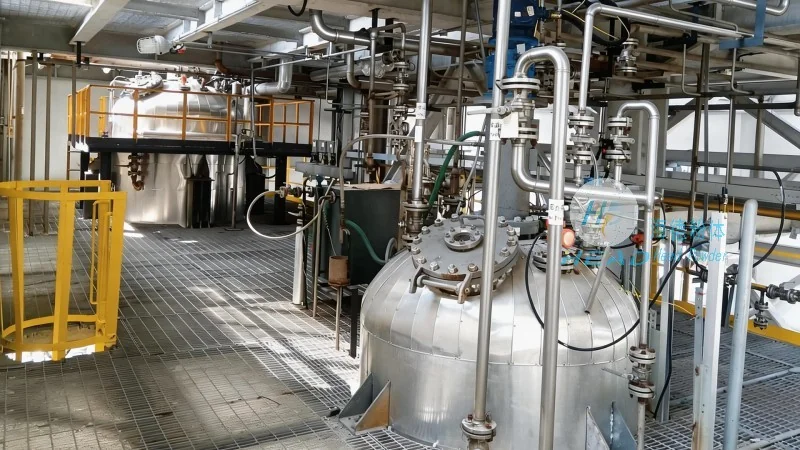
HeadPowder, a leading manufacturer based in Shandong, China, specializes in developing advanced material handling solutions. With a focus on innovation and quality, HeadPowder's products are designed to enhance productivity and reduce operational costs for various industries. The company's headquarters is located in Shandong, China, where it operates as Shandong HeadPowder Engineering Co., Ltd., dedicated to providing cutting-edge material conveying technologies.
Key Design Principles of Fully Automatic Feeding Material Conveying Systems
The design of fully automatic feeding material conveying systems follows several core principles to ensure optimal performance. First, the system integrates multiple components such as feeders, conveyors, and control units into a unified platform. This integration allows for seamless coordination between different parts of the process, minimizing downtime and maximizing efficiency. Second, automation is a central feature, with programmable logic controllers (PLCs) and sensors enabling real-time monitoring and adjustment of the conveying process. This ensures that materials are moved accurately and consistently, regardless of variations in material properties or production demands.
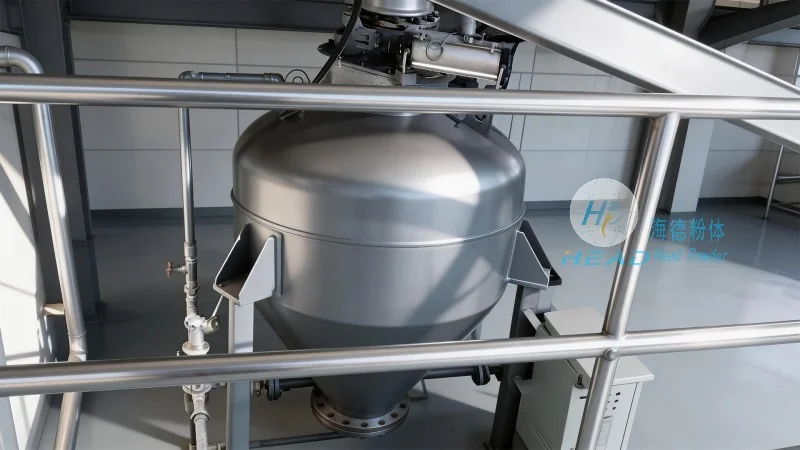
Third, adaptability is a critical design principle. Modern systems are designed to accommodate different types of materials, including powders, granules, and bulk solids. This is achieved through adjustable feed mechanisms, variable speed drives, and modular components that can be customized to suit specific application requirements. Additionally, the systems are built with safety features, such as emergency stop buttons and protective enclosures, to comply with industrial safety standards and protect operators from potential hazards.
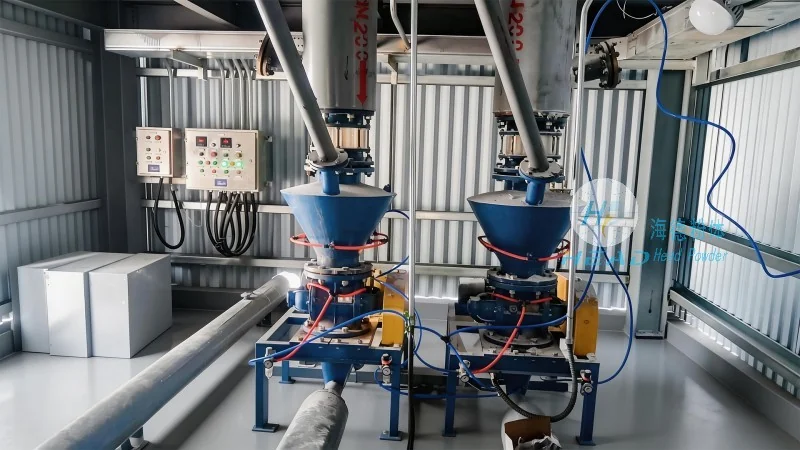
Components and Functionality of the Conveying System
A fully automatic feeding material conveying system typically consists of several key components that work in harmony to achieve efficient material handling. The primary components include a feeding hopper, which stores and feeds the material into the system, a conveyor mechanism (such as a belt conveyor, screw conveyor, or pneumatic conveyor) that transports the material, and a control unit that manages the entire operation. The feeding hopper is designed to maintain a consistent material level, preventing overfilling or underfilling, which can affect the conveying efficiency. The conveyor mechanism is chosen based on the material's characteristics, such as its density, flowability, and moisture content, to ensure smooth and reliable transport. The control unit, often equipped with a user-friendly interface, allows operators to monitor the system's performance, adjust settings, and receive alerts in case of any issues.
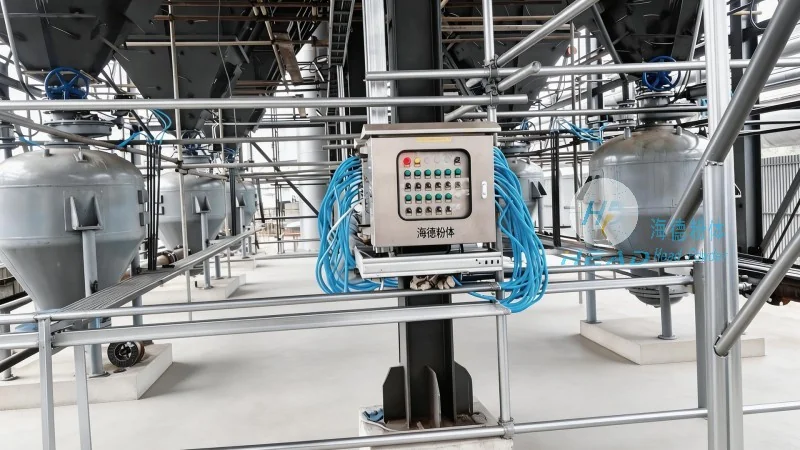
Applications and Benefits in Industrial Settings
Fully automatic feeding material conveying systems are widely used in various industries, including pharmaceuticals, food processing, chemicals, and manufacturing. In the pharmaceutical industry, these systems ensure that raw materials are handled hygienically and in compliance with regulatory standards, reducing the risk of contamination. In food processing, the systems maintain product quality by preventing cross-contamination and ensuring consistent feeding rates. In chemical manufacturing, the systems handle hazardous materials safely, with features like explosion-proof designs and sealed components to protect operators and the environment. The benefits of these systems extend beyond efficiency; they also contribute to cost savings by reducing labor requirements, minimizing material waste, and improving overall production throughput. Additionally, the automation reduces human error, leading to higher product quality and consistency.
Conclusion and Future Developments
As industries continue to demand higher levels of automation and efficiency, fully automatic feeding material conveying systems remain a vital component of modern material handling solutions. The design principles, which prioritize integration, automation, and adaptability, ensure that these systems can meet the evolving needs of various applications. HeadPowder, with its expertise and commitment to innovation, continues to develop advanced solutions that enhance productivity and safety in industrial operations. By understanding the core design principles and components of these systems, businesses can make informed decisions to improve their material handling processes and achieve competitive advantages in their respective markets.