

What is a Ton Bag Unloading Pneumatic Conveying System? What is its Design Principle?
For industries dealing with bulk materials, efficient and reliable material handling is crucial. One such solution is the ton bag unloading pneumatic conveying system, a specialized equipment designed to handle large capacity bags and transport their contents with precision. This article explores the concept of ton bag unloading pneumatic conveying systems and delves into the underlying design principles that make them effective.
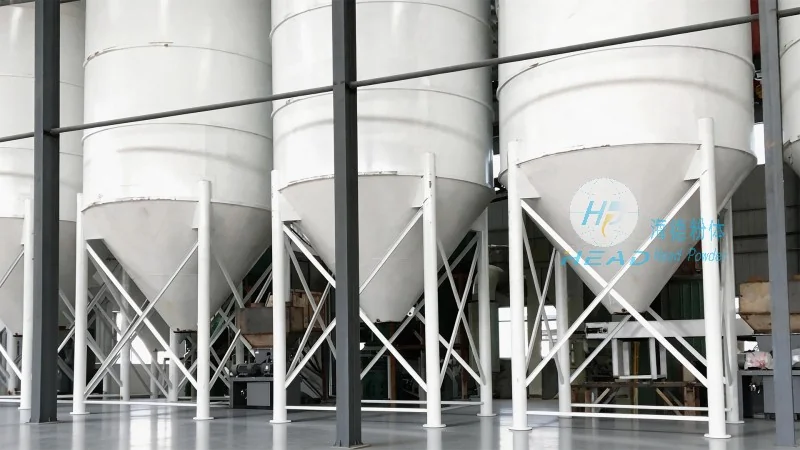
Understanding Ton Bag Unloading Pneumatic Conveying Systems
A ton bag unloading pneumatic conveying system is a type of industrial equipment used to transfer bulk materials from large, heavy-duty bags, typically with a capacity of 1 ton or more, into a processing or storage system. These systems are particularly useful in sectors like chemicals, food processing, pharmaceuticals, and mining, where handling large quantities of powders, granules, or other bulk materials is common. The primary function of such a system is to automate the unloading process, reducing manual labor and minimizing material loss or contamination.
The system typically consists of several key components, including a hopper or receiving bin, a pneumatic conveying line, a dust collector, and a control system. The ton bag is placed on a support frame or a loading platform, and the unloading process begins by opening the bag's discharge valve. Simultaneously, the pneumatic conveying system generates a flow of air, either by creating a vacuum (in suction systems) or by using compressed air (in pressure systems), to draw the material from the bag and transport it through the pipeline to the desired destination. The design ensures that the material is conveyed smoothly without excessive pressure or friction, preserving its quality and preventing degradation.
The Design Principles of Ton Bag Unloading Pneumatic Conveying Systems
The effectiveness of a ton bag unloading pneumatic conveying system is rooted in several fundamental design principles that optimize material flow, energy efficiency, and system reliability. The first principle is the selection of the appropriate conveying method, which can be categorized into two main types: suction and pressure systems. Suction systems operate by creating a negative pressure in the conveying line, drawing material from the bag and moving it towards the receiver. This method is ideal for applications where the material is light and requires gentle handling, as it minimizes particle breakage and maintains product integrity. Pressure systems, on the other hand, use compressed air to push the material through the pipeline, which is suitable for materials that are more abrasive or require higher pressure to overcome resistance.
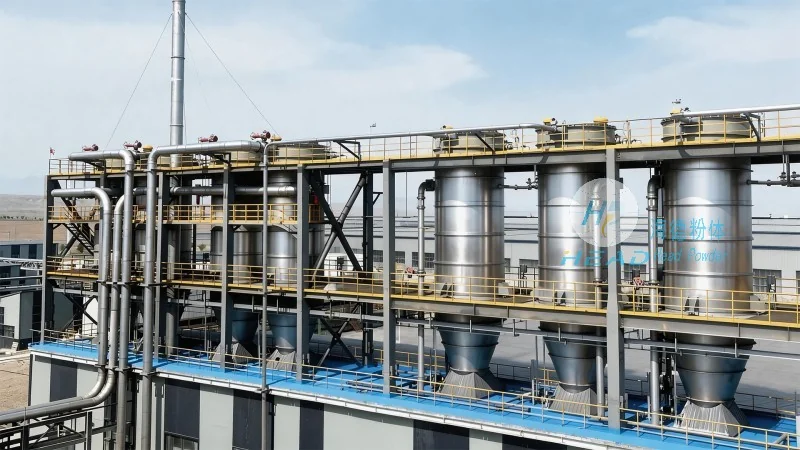
Another critical design principle is the air-to-material ratio, which refers to the volume of air used per unit weight of material being conveyed. This ratio is carefully calculated to ensure that the material is fully suspended in the air stream, preventing blockages and ensuring consistent flow. The design also considers the size and shape of the conveying line, as well as the type of fittings and valves used, to minimize pressure losses and maintain the desired flow rate. Additionally, the system incorporates a dust collection or filtration system to capture any airborne particles, ensuring compliance with environmental regulations and maintaining a clean working environment.
Key Components and Their Roles
Each component of a ton bag unloading pneumatic conveying system plays a vital role in its overall performance. The receiving hopper or bin is designed to collect the material as it is conveyed from the bag and direct it to the processing equipment. It often includes features such as a discharge valve or a rotary valve to control the flow of material into the next stage of the process. The pneumatic conveying line, typically made of stainless steel or other corrosion-resistant materials, is designed to withstand the pressure and temperature of the conveying process while maintaining the integrity of the material being transported. The line is equipped with various fittings, such as elbows, tees, and bends, which are strategically placed to guide the material flow and minimize turbulence.
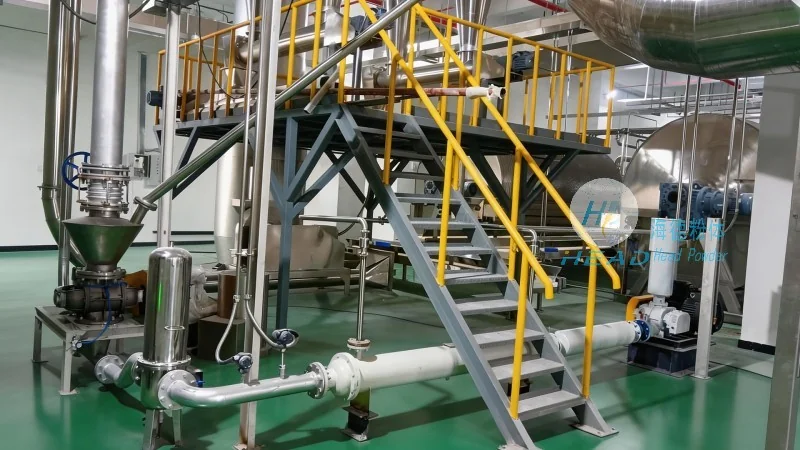
The control system is another essential component, responsible for monitoring and regulating the operation of the entire system. It includes sensors to detect the level of material in the hopper, pressure gauges to monitor the air pressure in the conveying line, and control valves to adjust the flow rate as needed. The system may also include safety features, such as pressure relief valves and emergency shut-off switches, to prevent accidents and ensure the safety of operators. The dust collector or filtration system is designed to capture any airborne particles generated during the conveying process, preventing them from being released into the environment and maintaining a clean and healthy workplace.
Applications and Benefits
Ton bag unloading pneumatic conveying systems are widely used in various industries due to their versatility and efficiency. In the chemical industry, they are used to handle a wide range of chemicals, including powders, granules, and liquids, ensuring that the material is transferred safely and without contamination. In the food processing industry, these systems are used to handle food-grade materials, such as flour, sugar, and spices, maintaining the quality and safety of the product. In the pharmaceutical industry, they are used to handle active pharmaceutical ingredients (APIs) and other sensitive materials, ensuring that the material is handled with the highest level of precision and care. The benefits of using a ton bag unloading pneumatic conveying system include increased productivity, reduced labor costs, minimized material loss, and improved safety. The system automates the unloading process, reducing the need for manual handling and minimizing the risk of accidents. It also ensures that the material is transferred efficiently and without degradation, preserving its quality and ensuring that it meets the required specifications.
Conclusion
In conclusion, a ton bag unloading pneumatic conveying system is a sophisticated piece of equipment that plays a critical role in the efficient handling of bulk materials. Its design is based on fundamental principles of air flow and material transport, ensuring that the material is conveyed smoothly and reliably. The system is composed of several key components, each designed to work together to achieve optimal performance. The benefits of using such a system are numerous, including increased productivity, reduced costs, and improved safety. For industries dealing with large quantities of bulk materials, a ton bag unloading pneumatic conveying system is an essential investment that can significantly improve operational efficiency and product quality.