

What is Magnesium Oxide Powder Pneumatic Conveying Equipment? And What Are Its Design Principles?
For industrial applications that require the efficient and safe handling of magnesium oxide powder, pneumatic conveying systems have emerged as a reliable solution. This article explores the concept of magnesium oxide powder pneumatic conveying equipment, detailing its operational principles and design considerations. As a leading manufacturer in the field, Shandong HeadPowder Engineering Co., Ltd. (referred to as HeadPowder) specializes in developing tailored solutions for various powder handling challenges.
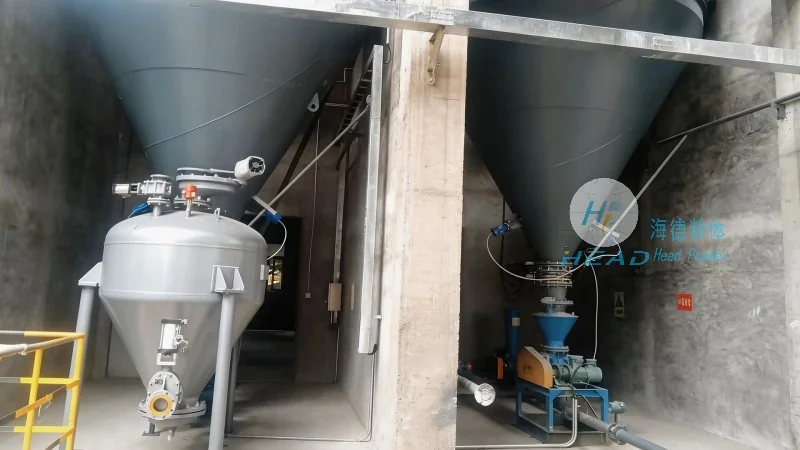
Understanding Pneumatic Conveying Systems for Magnesium Oxide
Pneumatic conveying equipment is designed to transport bulk materials like magnesium oxide powder through a pressurized or vacuum system using air or other gases. Unlike traditional methods such as belt conveyors or bucket elevators, pneumatic systems offer advantages such as reduced dust exposure, lower maintenance requirements, and the ability to handle materials in enclosed environments. Magnesium oxide, a white powder commonly used in refractory materials, construction, and chemical industries, presents unique challenges due to its fine particle size and potential for static electricity. Therefore, the design of pneumatic conveying equipment for this material must address issues like particle segregation, clogging, and material degradation.
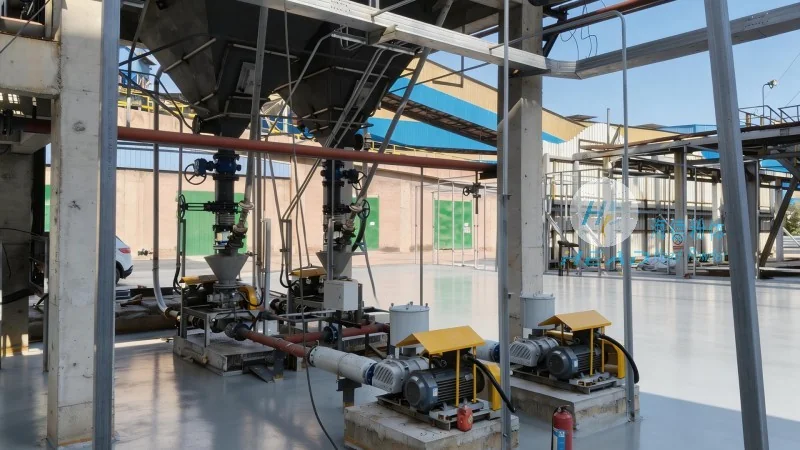
Key Design Principles of Magnesium Oxide Powder Pneumatic Conveying Equipment
The design of magnesium oxide powder pneumatic conveying systems involves several critical components and principles to ensure optimal performance. The primary goal is to maintain a consistent flow of powder while minimizing energy consumption and preventing material loss. Key design elements include:
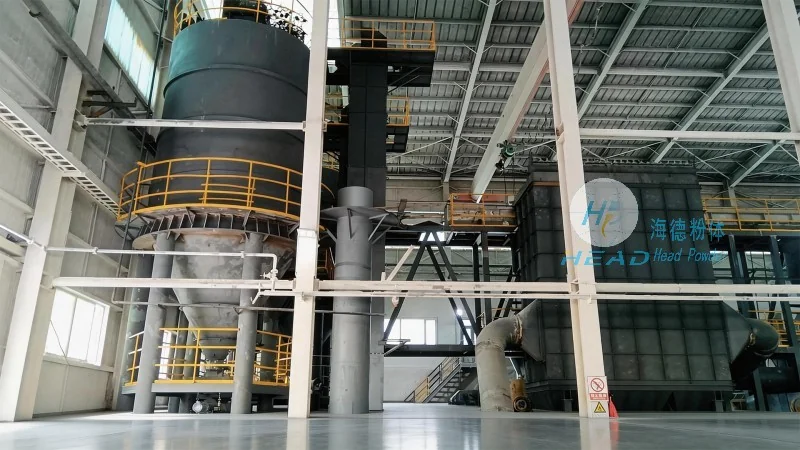
- Conveying Lines and Tubing: The system utilizes stainless steel or food-grade plastic tubing to transport the powder. The diameter and length of the lines are carefully selected based on the material's flow characteristics and the required conveying distance. For magnesium oxide, which is prone to static buildup, anti-static coatings or grounding mechanisms are often integrated into the tubing to prevent electrical discharge. The tubing is also designed with smooth internal surfaces to minimize friction and reduce the risk of particle accumulation.
- Feeding Mechanisms: Proper feeding is crucial to avoid blockages and ensure a uniform flow. Screw feeders, rotary valves, or pneumatic feeders are commonly used. These devices control the rate of powder introduction into the conveying line, matching the air flow to the material's properties. For magnesium oxide, which can be abrasive, the feeding mechanisms are designed with wear-resistant materials such as hardened steel or ceramic-lined components to extend their lifespan and maintain efficiency.
- Air Supply and Pressure Control: The air supply system, including blowers or compressors, provides the necessary pressure to move the powder. The pressure level is adjusted based on the conveying distance and the material's density. For longer distances or higher material loads, higher pressure systems are employed. The system also includes pressure regulators and filters to maintain air quality and prevent contamination. High-efficiency particulate air (HEPA) filters may be used in some applications to ensure that the air released from the system meets environmental standards.
- Separation and Collection: At the receiving end, the system uses cyclones or bag filters to separate the powder from the air stream. These components are designed to handle fine particles like magnesium oxide, ensuring high collection efficiency. The collected powder is then discharged into a storage bin or processing unit. The design of these separation units must consider the material's dust properties to prevent re-entrainment and maintain air quality. Some systems incorporate multiple stages of separation to achieve higher efficiency, especially for materials with high dust content.
HeadPowder's Expertise in Magnesium Oxide Pneumatic Conveying Solutions
Shandong HeadPowder Engineering Co., Ltd. (HeadPowder) is a trusted provider of customized pneumatic conveying equipment for magnesium oxide and other fine powders. With years of experience in the industry, HeadPowder understands the unique challenges associated with handling this material and designs systems that address these issues effectively. The company's engineers work closely with clients to assess their specific requirements, including the scale of operation, conveying distance, and environmental regulations, to develop tailored solutions.
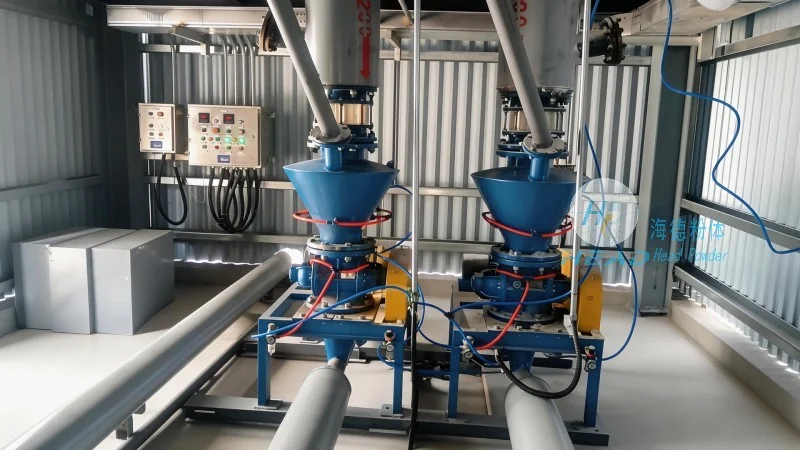
HeadPowder's equipment is manufactured using high-quality materials and advanced technology, ensuring durability and reliability. The company adheres to international standards such as ISO 9001 and provides comprehensive support, including installation, commissioning, and maintenance services. By partnering with HeadPowder, industries can improve their powder handling efficiency, reduce operational costs, and enhance workplace safety. The company's commitment to innovation and customer satisfaction has made it a preferred choice for businesses in the refractory, construction, and chemical sectors.