

What is a Dry Flue Gas Desulfurization Ash Pneumatic Conveying Equipment? What are its Design Princi
HeadPowder, a leading engineering company based in Shandong, China, specializes in providing advanced solutions for industrial waste management, particularly in the field of flue gas desulfurization (FGD) ash handling. This article explores the dry flue gas desulfurization ash pneumatic conveying equipment, detailing its purpose and the underlying design principles that enable efficient and effective ash transport.
Understanding Dry Flue Gas Desulfurization Ash Pneumatic Conveying Equipment
Flue gas desulfurization (FGD) is a critical process in power plants and industrial facilities to reduce sulfur dioxide emissions. The process involves treating flue gases with limestone or other sorbents, which results in the production of a byproduct known as FGD ash. This ash, if not properly managed, can pose environmental and operational challenges. Pneumatic conveying equipment offers a solution by transporting the dry ash from the desulfurization unit to storage or disposal sites without the need for water or other media.
Key Components and Functionality of the Equipment
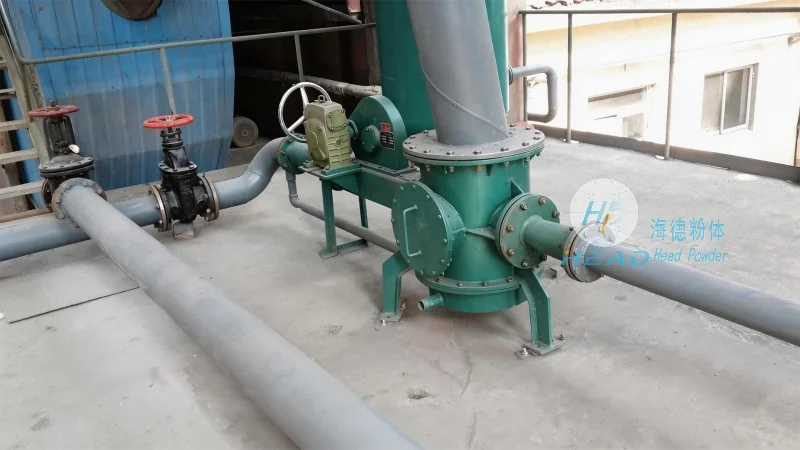
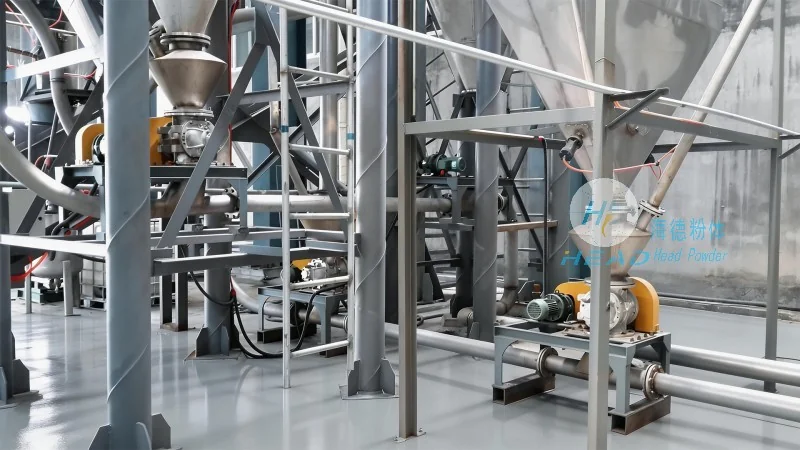
The dry flue gas desulfurization ash pneumatic conveying system typically consists of several key components that work in tandem to achieve efficient ash transport. These components include a feed hopper, a rotary valve, a conveying line (often with a series of ducts and bends), a receiver or silo, and a dust collection system. The feed hopper stores the dry ash, and the rotary valve controls the flow of ash into the conveying line. As air is introduced into the line (either by a positive displacement blower or a venturi system), it creates a low-pressure zone that draws the ash particles along with the air stream, forming a dense phase or dilute phase flow depending on the system design.
Design Principles Behind the Equipment
The design of a dry FGD ash pneumatic conveying system is guided by several fundamental principles to ensure optimal performance, reliability, and efficiency. One of the primary principles is the selection of the appropriate air velocity and pressure to maintain a stable flow of ash particles without causing excessive wear on the equipment. The conveying line diameter and length are carefully calculated to minimize pressure drop and energy consumption. Additionally, the system incorporates features such as pulse jets or air locks to prevent blockages and ensure smooth operation. The choice between dense phase and dilute phase conveying is also a critical design decision, as it impacts the system's capacity, energy use, and the wear on components. Dense phase conveying, which involves higher air velocities and lower particle velocities, is often preferred for transporting abrasive materials like FGD ash over long distances, as it reduces wear and extends equipment life.
Advantages of Using Pneumatic Conveying for FGD Ash
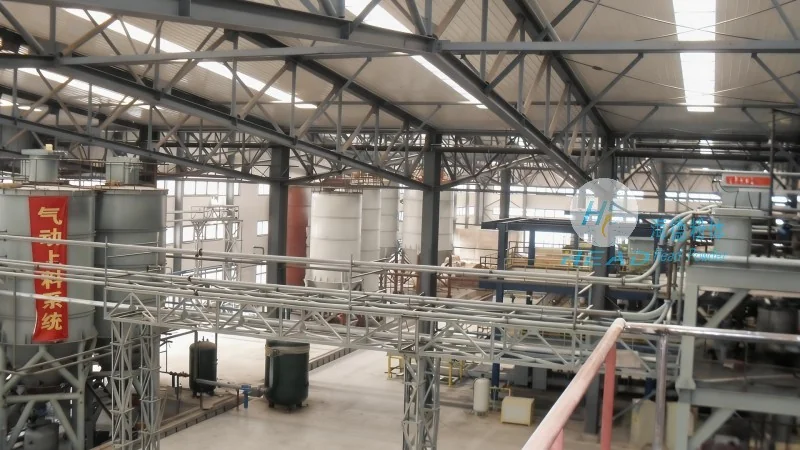
Implementing a dry flue gas desulfurization ash pneumatic conveying system offers several advantages over traditional wet or mechanical handling methods. Firstly, it eliminates the need for water, reducing the overall water consumption and associated costs. Secondly, it minimizes the risk of dust emissions and environmental contamination, as the ash is contained within the conveying line and collected in a sealed receiver. Thirdly, the system can handle abrasive and corrosive materials effectively, with proper material selection for the conveying line and components. Finally, pneumatic conveying systems are generally more compact and flexible, allowing for easy integration into existing plant layouts and adaptation to changing operational needs.
Application and Operational Considerations
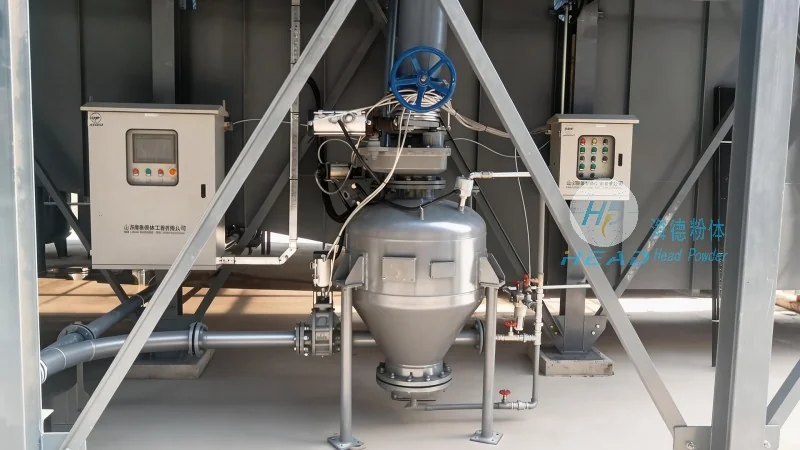
The dry flue gas desulfurization ash pneumatic conveying equipment is widely used in power plants, chemical plants, and other industrial facilities where FGD is employed. The system is designed to handle large volumes of ash, often ranging from tens to hundreds of tons per hour, depending on the plant's capacity. Operational considerations include maintaining proper air pressure and flow rates, regular maintenance of the conveying line and components, and monitoring for any signs of blockages or wear. Proper training of operators and adherence to safety protocols are also essential to ensure the safe and efficient operation of the system.
Conclusion
HeadPowder's expertise in engineering and manufacturing ensures that the dry flue gas desulfurization ash pneumatic conveying equipment is designed to meet the specific needs of industrial facilities. By adhering to the fundamental design principles and incorporating advanced materials and technologies, the equipment provides an efficient, reliable, and environmentally friendly solution for handling FGD ash. As industrial facilities continue to prioritize sustainability and operational efficiency, such equipment plays a crucial role in optimizing the management of byproducts from flue gas desulfurization processes.