

Working Principle and Features of Pneumatic Conveying Equipment for Petrochemical Materials
For industries dealing with petrochemical materials, efficient and reliable material handling is crucial. Pneumatic conveying equipment offers a solution that meets the demands of modern processing by transporting bulk materials through a pressurized or vacuum system. This article explores the working principle and key features of such equipment, highlighting how it enhances operational efficiency and safety in petrochemical applications.
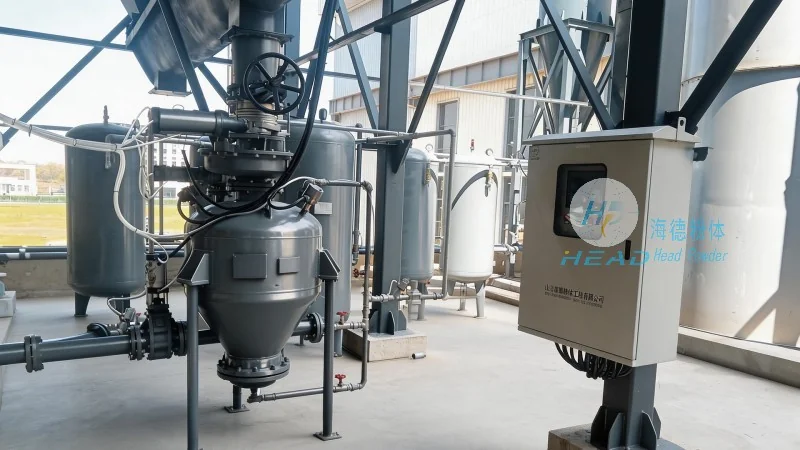
The Working Principle of Pneumatic Conveying Equipment
Pneumatic conveying systems operate by using air or gas to move solid materials from one location to another. The process typically involves a few key components: a material hopper, a conveyor line, and a control system. In a typical setup, the material is fed into the hopper, where it is then drawn into the conveyor line by a fan or blower. The air flow creates a pressure differential that propels the material through the pipeline. There are two main types of pneumatic conveying: dilute phase and dense phase. Dilute phase systems use high velocity air to transport materials, while dense phase systems use lower velocity air to move material in a more controlled manner, often with a higher material concentration. The choice between these depends on the material's properties, such as particle size, density, and moisture content. For petrochemical applications, the system's design must consider factors like corrosion resistance, as many petrochemical materials are chemically aggressive. The working principle ensures that materials are transported without the need for mechanical contact, reducing wear and tear on equipment and minimizing contamination risks.
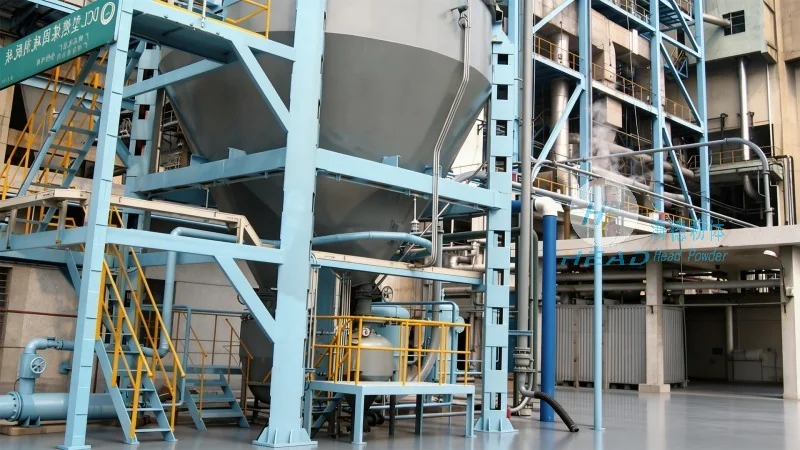
Key Features of Pneumatic Conveying Equipment for Petrochemical Materials
Several features make pneumatic conveying equipment suitable for petrochemical industries. First, it provides a closed system, which is essential for containing hazardous materials and preventing dust emissions. This feature enhances workplace safety and compliance with environmental regulations. Second, the equipment offers flexibility in material handling, allowing for vertical, horizontal, or mixed-direction transport. This adaptability is vital in complex petrochemical plants where materials need to be moved between different levels or locations. Third, pneumatic conveying systems are capable of handling a wide range of materials, from fine powders to bulk solids, with minimal maintenance. The robust design, often incorporating corrosion-resistant materials like stainless steel or special alloys, ensures long-term durability in harsh petrochemical environments. Additionally, these systems can be integrated with other processing equipment, such as reactors or storage tanks, creating a seamless material flow. The control systems used in modern pneumatic conveying equipment are sophisticated, allowing for precise regulation of air flow and material feed, which optimizes energy consumption and reduces operational costs.
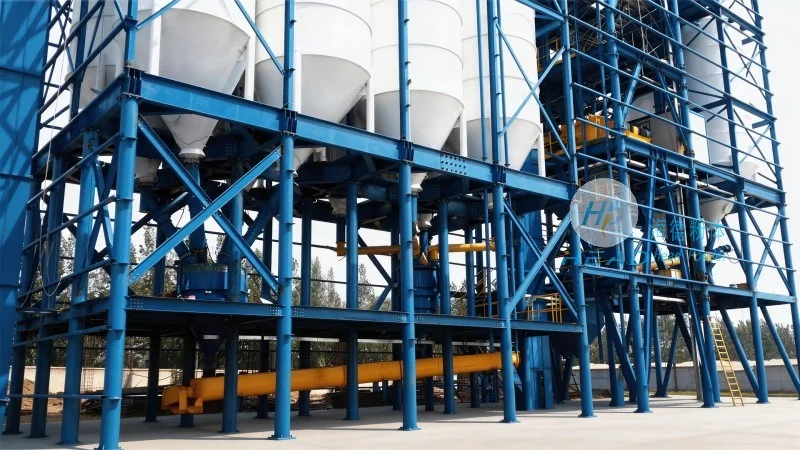
Applications and Benefits in Petrochemical Processing
Pneumatic conveying equipment is widely used in various petrochemical processes, including raw material transport, intermediate product handling, and waste management. In raw material processing, it efficiently moves bulk chemicals from storage to processing units, ensuring a continuous supply without interruptions. During intermediate processing, the system helps transfer materials between reactors and separation units, maintaining the flow of production. For waste management, it can safely transport hazardous waste to disposal facilities, adhering to environmental standards. The benefits of using pneumatic conveying in petrochemical applications extend beyond efficiency. By reducing manual handling, it minimizes human exposure to dangerous materials, improving worker safety. The closed system also prevents dust and fumes from contaminating the environment, contributing to better air quality and regulatory compliance. Furthermore, the system's ability to handle different material types without modification makes it a versatile solution for diverse petrochemical operations.
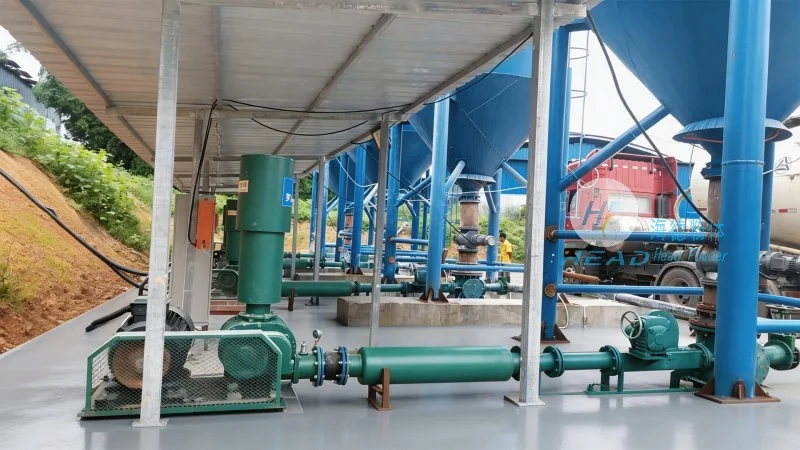
Conclusion and Company Overview
Pneumatic conveying equipment is a critical component in the petrochemical industry, offering efficient, safe, and reliable material handling solutions. The working principle, which relies on air or gas to transport materials, combined with key features like closed systems, flexibility, and corrosion resistance, makes it an ideal choice for handling petrochemical materials. As a leading manufacturer, Shandong HeadPowder Engineering Co., Ltd. specializes in designing and manufacturing high-quality pneumatic conveying systems tailored to the specific needs of petrochemical plants. With a focus on durability and safety, their equipment ensures optimal performance while adhering to industry standards. Based in China, the company leverages advanced technology and engineering expertise to deliver solutions that enhance operational efficiency and support the growth of petrochemical enterprises worldwide.