

Operation Process and Working Principle of Dry Cobblestone Pneumatic Conveying Equipment
For industries dealing with dry cobblestone materials, efficient and reliable material handling solutions are crucial. The dry cobblestone pneumatic conveying equipment from Shandong HeadPowder Engineering Co., Ltd. offers a sophisticated system designed to meet these demands. This equipment is engineered to transport dry cobblestone efficiently, ensuring minimal loss and optimal performance in various industrial applications.
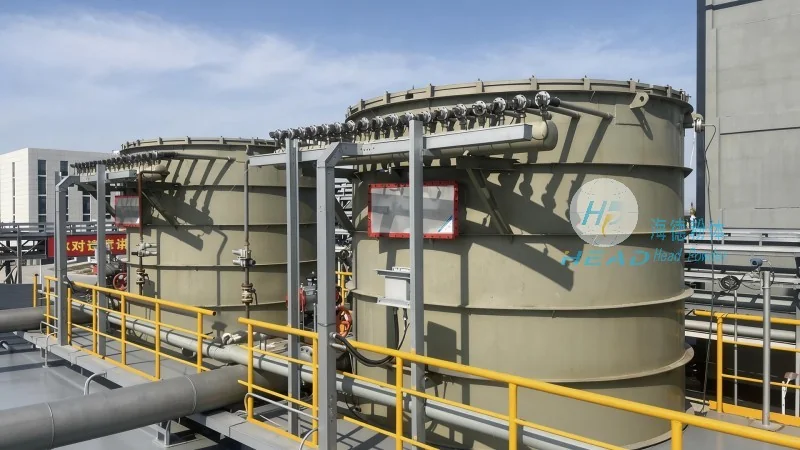
Overview of Dry Cobblestone Pneumatic Conveying Equipment
Shandong HeadPowder Engineering Co., Ltd. specializes in the design and manufacturing of advanced pneumatic conveying systems tailored for dry cobblestone. The equipment operates on the principle of air-based transportation, where dry cobblestone particles are suspended and moved through a pipeline using compressed air. This method eliminates the need for mechanical components like belts or buckets, reducing maintenance and increasing operational efficiency. The system is particularly suitable for applications where material handling needs to be done in a dust-free or low-dust environment, making it ideal for construction, mining, and related industries.
Working Principle of the Pneumatic Conveying System
The core of the dry cobblestone pneumatic conveying equipment is its ability to use air pressure to transport materials. The process begins with the loading of dry cobblestone into the hopper. From there, the material is fed into the conveying line through an airlock or feeder, which controls the flow rate and prevents backflow. Compressed air is then introduced into the pipeline, creating a flow that lifts and moves the dry cobblestone particles. The velocity of the air is carefully controlled to ensure that the particles are carried without excessive wear on the equipment. The system may include features such as cyclone separators or filters to separate the dry cobblestone from the air at the discharge end, allowing for clean material collection and air recycling.
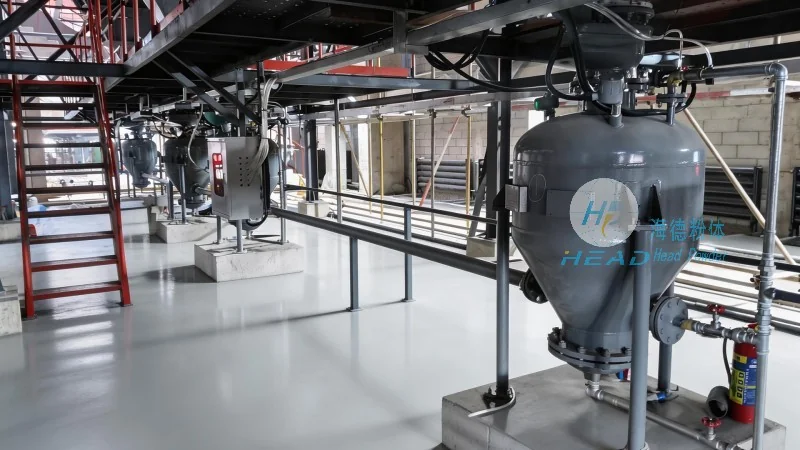
Operation Process of the Equipment
The operation of the dry cobblestone pneumatic conveying equipment involves several key steps. First, the dry cobblestone is stored in a hopper or silo, from which it is fed into the system. The feeder mechanism, often an airlock or rotary valve, regulates the material flow into the conveying line. Compressed air is supplied to the system, typically from an air compressor, and is introduced at the inlet of the pipeline. As the air flows through the pipeline, it carries the dry cobblestone particles, transporting them to the destination point. At the receiving end, a separator or filter captures the dry cobblestone, allowing the air to be recycled back to the system. This closed-loop system minimizes energy loss and ensures consistent material transport. The equipment is designed for continuous operation, with features that allow for easy maintenance and troubleshooting, ensuring long-term reliability.
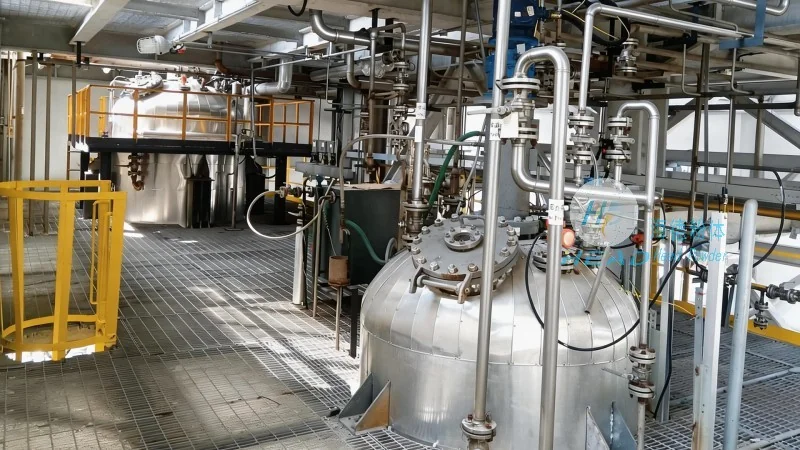
Key Features and Benefits
Shandong HeadPowder Engineering Co., Ltd.'s dry cobblestone pneumatic conveying equipment offers several advantages over traditional material handling methods. The primary benefit is the reduction in manual labor and handling, as the system automates the entire process. This not only improves efficiency but also enhances safety by minimizing the risk of dust exposure and material handling injuries. The equipment is also highly versatile, capable of handling various sizes and types of dry cobblestone, making it suitable for different industrial applications. Additionally, the system is compact and can be integrated into existing facilities, reducing the need for extensive construction or modification. The use of compressed air also allows for the transportation of materials over long distances without the need for intermediate storage or transfer points, streamlining the overall material flow.
Applications and Industries
The dry cobblestone pneumatic conveying equipment from Shandong HeadPowder Engineering Co., Ltd. is widely used in various industries that require the handling of dry cobblestone materials. In the construction industry, it is used for transporting aggregates, gravel, and other construction materials to different parts of a site. In mining operations, the equipment is employed to move dry cobblestone from storage areas to processing plants or other locations. The system is also used in the manufacturing of building materials, where dry cobblestone is a key ingredient in the production of concrete, asphalt, and other products. The equipment's ability to handle large volumes of material efficiently makes it an essential component in these industries, contributing to increased productivity and reduced operational costs.