

What is a Ton Bag Material Pneumatic Conveying Line? What is its Design Principle?
When it comes to material handling in industrial settings, efficient and reliable transport of bulk materials is crucial. Among the various methods available, pneumatic conveying systems have gained significant popularity due to their ability to handle a wide range of materials with minimal maintenance and environmental impact. A ton bag material pneumatic conveying line specifically addresses the challenges of transporting large quantities of materials from bulk bags (also known as ton bags or big bags) into processing or storage facilities. This article explores the concept of a ton bag material pneumatic conveying line and delves into its underlying design principles, providing a comprehensive understanding of this essential industrial equipment.
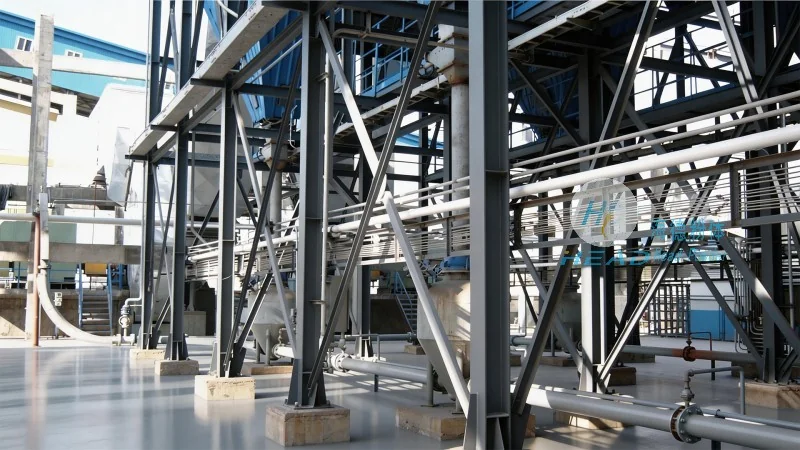
Understanding Ton Bag Material Pneumatic Conveying Lines
A ton bag material pneumatic conveying line is a specialized system designed to transfer bulk materials from bulk bags into a processing or storage system using air pressure. These systems are commonly used in industries such as food processing, chemical manufacturing, pharmaceuticals, and mining, where large volumes of materials need to be handled safely and efficiently. The primary goal of such a system is to automate the material transfer process, reducing manual labor and minimizing the risk of material contamination or spillage. The system typically consists of several key components, including a bulk bag unloader, a conveying line (often with a combination of positive and negative pressure sections), and a material receiver or storage hopper.
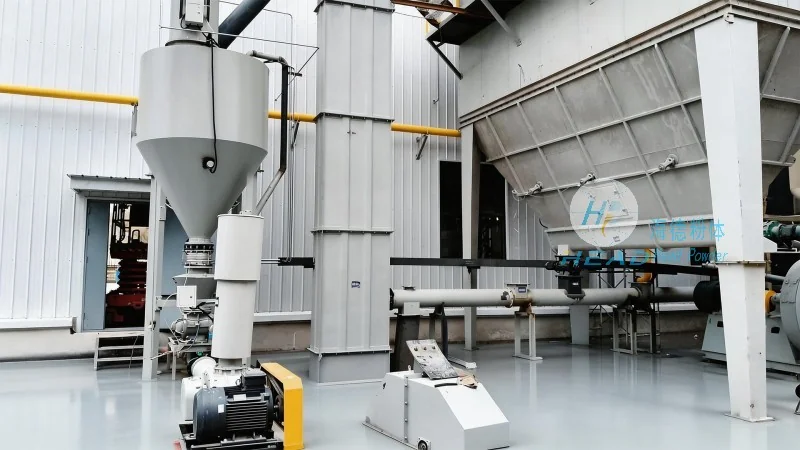
The Core Design Principles of Pneumatic Conveying Systems
The design of a ton bag material pneumatic conveying line is based on fundamental principles of fluid dynamics and material handling. The most critical design considerations include the type of conveying air (positive or negative pressure), the material characteristics (such as particle size, density, and flowability), and the system layout (including the length and elevation changes of the conveying line). Positive pressure systems use compressed air to push material through the line, while negative pressure systems use vacuum to draw material into the line. The choice between these two depends on factors like material properties, system length, and the need for dust control. Additionally, the system must be designed to handle the specific characteristics of bulk bags, including their size, material, and the way they are sealed. This involves ensuring that the unloader can effectively break the bag open and release the material into the conveying line without causing blockages or damage to the bag.
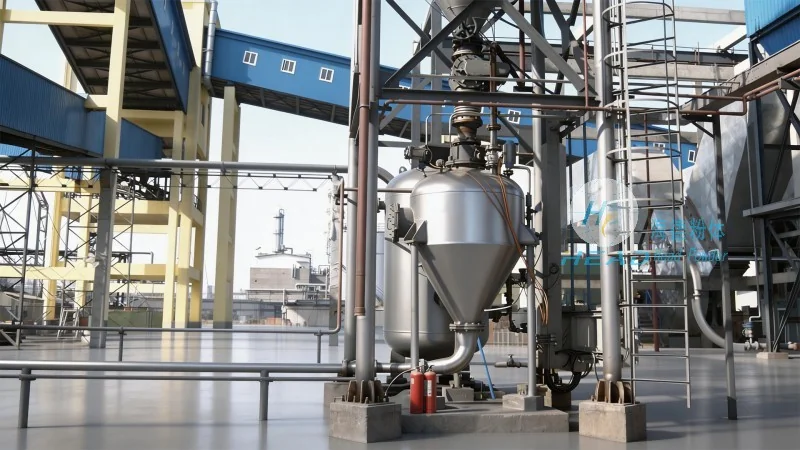
Key Components and Their Functions
Several key components work together to ensure the smooth operation of a ton bag material pneumatic conveying line. The bulk bag unloader is the first component, responsible for opening the bag and transferring the material into the conveying line. This component typically includes a hopper or a rotary valve that feeds material into the system. The conveying line itself is usually made of flexible or rigid tubing, depending on the system design. The line may include bends, elbows, and other fittings to direct the material flow. A filter or cyclone separator is often included to remove dust and particles from the conveying air, ensuring that the material is delivered to the receiver in a clean state. The material receiver or storage hopper collects the material from the conveying line and provides a buffer for downstream processing equipment. Finally, a control system manages the operation of the entire line, including the unloader, conveying air pressure, and material flow rate.
Application in Industrial Settings
The ton bag material pneumatic conveying line is widely used in various industrial applications where bulk materials need to be handled efficiently. In the food industry, for example, such systems are used to transfer ingredients like flour, sugar, and spices from bulk bags into processing equipment, ensuring a clean and hygienic transfer process. In the chemical industry, these systems are used to handle powders and granules, which may be hazardous or sensitive to moisture. The pharmaceutical industry also relies on pneumatic conveying systems to maintain strict cleanliness and contamination control standards. Additionally, in mining and mineral processing, ton bag material conveying lines are used to transport raw materials from bulk bags to processing plants, improving the overall efficiency of material handling operations.
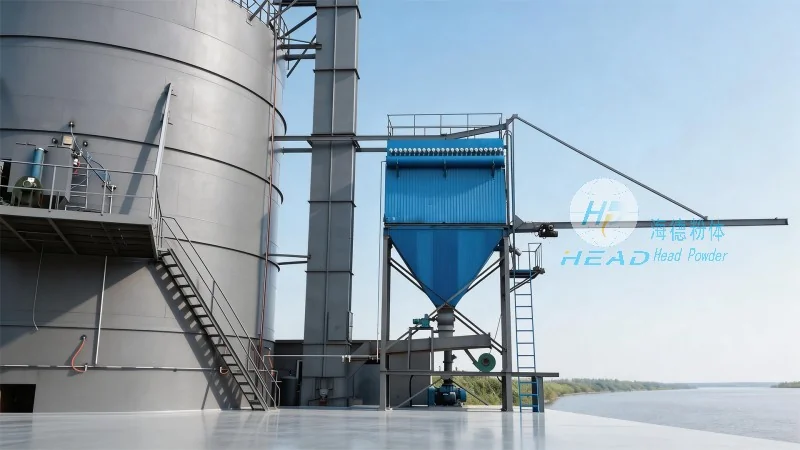
Advantages of Using a Ton Bag Material Pneumatic Conveying Line
There are several advantages to using a ton bag material pneumatic conveying line over traditional methods like bucket elevators or belt conveyors. One of the main advantages is the ability to handle a wide range of materials, including those that are dusty, abrasive, or have varying particle sizes. The system is also more flexible in terms of layout, as it can be installed in various configurations to fit the space constraints of a facility. Additionally, pneumatic conveying systems are generally more energy-efficient than other methods, as they use less power to transport materials over short to medium distances. The system also reduces the risk of material spillage and contamination, as the material is contained within the conveying line and the receiver. Finally, the automated nature of the system reduces the need for manual labor, improving safety and productivity in the workplace.