

What is a Petrochemical Material Pneumatic Conveying System? What are its Design Principles?
For industrial operations in the petrochemical sector, efficient and reliable material handling is crucial. One of the key technologies employed to achieve this is the pneumatic conveying system. This article explores what a petrochemical material pneumatic conveying system is and delves into its fundamental design principles, providing insights into how these systems are engineered to meet the demands of the industry.
Understanding Petrochemical Material Pneumatic Conveying
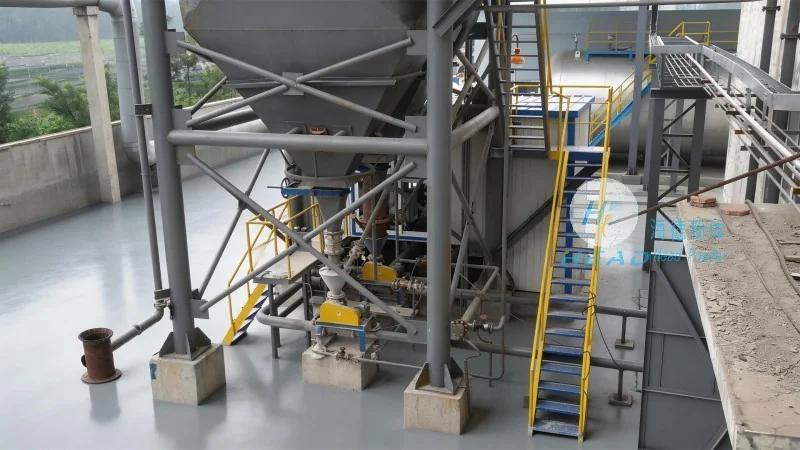
A petrochemical material pneumatic conveying system is a method of transporting bulk materials, such as powders, granules, or fine particles, through a pipeline using air or other gas as the conveying medium. Unlike traditional mechanical conveying methods like belt conveyors or screw conveyors, pneumatic systems use the force of moving air to move materials from one location to another. This technology is particularly advantageous for handling materials that are dusty, abrasive, or have a tendency to create dust, as it can minimize contamination and improve safety in the workplace.
Key Design Principles of Pneumatic Conveying Systems
The design of a petrochemical material pneumatic conveying system involves several critical principles that ensure optimal performance, efficiency, and safety. These principles are tailored to the specific characteristics of the materials being conveyed, as well as the operational requirements of the facility.
Firstly, the system must be designed to handle the specific properties of the petrochemical materials. This includes considering factors such as particle size, density, moisture content, and flowability. For example, materials with high moisture content may require additional drying or conditioning steps to prevent clogging or corrosion in the system. Similarly, abrasive materials may necessitate the use of corrosion-resistant materials for the pipeline and components to ensure longevity and maintain product quality.
Secondly, the system's design must account for the conveying velocity and pressure requirements. The velocity of the air or gas in the pipeline is a critical factor in determining the system's capacity and efficiency. Higher velocities can increase the conveying capacity but may also lead to higher energy consumption and increased wear on components. Therefore, a balance must be struck between conveying speed and energy efficiency. The pressure levels used in the system also vary depending on the distance and elevation changes between the source and destination points of the material. Higher pressure systems are typically used for longer distances or when dealing with materials that are difficult to move.
Thirdly, the system must incorporate appropriate control mechanisms to regulate the flow of material and air. This includes the use of valves, regulators, and sensors that can monitor and adjust the system's operation in real-time. For instance, flow meters can be used to measure the material flow rate, while pressure sensors can detect any blockages or changes in system pressure that may indicate a problem. These controls help maintain consistent performance and prevent issues such as overloading or under-conveying.
Fourthly, safety and environmental considerations are integral to the design of any petrochemical material handling system. Pneumatic conveying systems must be designed to minimize the risk of dust explosions, which can be a significant hazard in the petrochemical industry. This involves implementing explosion-proof designs, using appropriate dust collection systems, and ensuring proper ventilation. Additionally, the system must comply with relevant environmental regulations to prevent the release of dust or other pollutants into the environment.
Components of a Petrochemical Material Pneumatic Conveying System
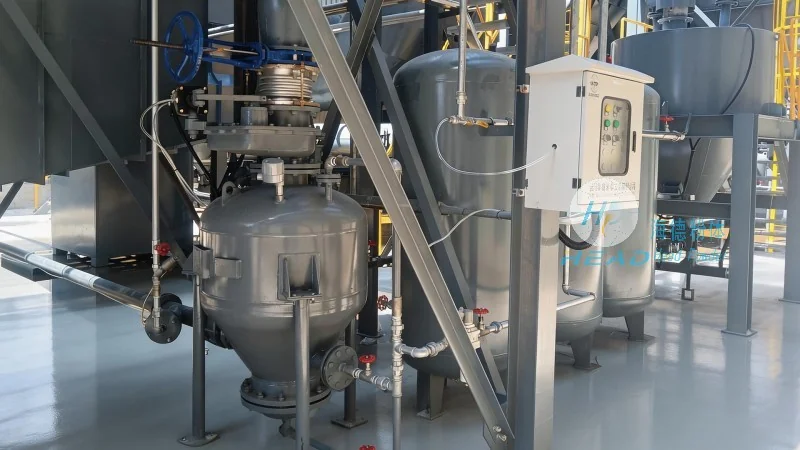
At the core of a petrochemical material pneumatic conveying system are several key components that work together to facilitate the movement of materials. These components include the material feed hopper, the conveying pipeline, the air or gas source, and the receiving hopper or silo.
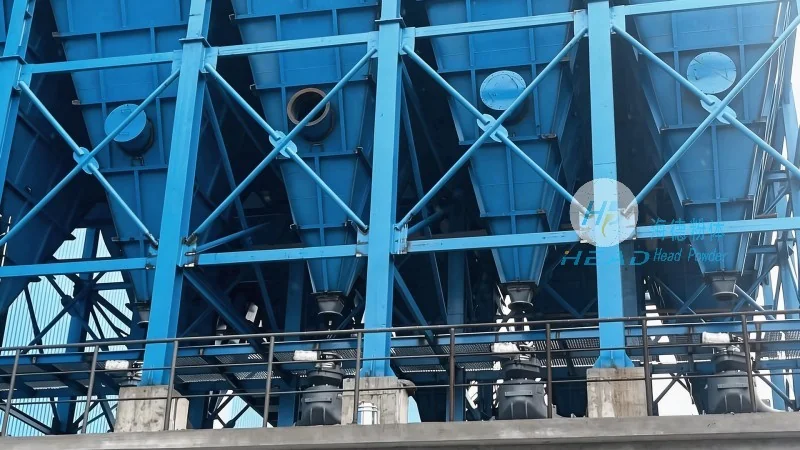
The material feed hopper is responsible for storing and feeding the material into the system. It is typically designed to be large enough to hold a sufficient quantity of material to ensure continuous operation, and it may include features such as a rotary valve or a gate valve to control the flow of material into the pipeline. The design of the hopper is critical to prevent material bridging or caking, which can lead to blockages in the system.
The conveying pipeline is the main component of the system, responsible for transporting the material through the air. The pipeline is usually made of materials such as stainless steel or plastic, depending on the properties of the material being conveyed. For abrasive or corrosive materials, stainless steel is often preferred due to its durability and resistance to wear and corrosion. The pipeline may also include bends, elbows, or other fittings that are designed to minimize pressure loss and prevent material buildup.
The air or gas source provides the force needed to move the material through the pipeline. This can be a blower or a compressor, which generates the necessary pressure and flow rate. The choice of the air source depends on the system's requirements, including the conveying distance, material properties, and desired capacity. High-pressure blowers are often used for longer distances or when handling difficult-to-move materials, while low-pressure systems may be sufficient for shorter distances or lighter materials.
The receiving hopper or silo is the final component of the system, where the material is deposited after being conveyed. It is typically designed to be large enough to hold the material and may include features such as a discharge valve or a rotary valve to control the flow of material out of the system. The design of the receiving hopper is important to prevent material spillage or contamination and to ensure that the material is stored in a way that maintains its quality.
Applications and Benefits of Petrochemical Material Pneumatic Conveying
Petrochemical material pneumatic conveying systems are widely used in various applications within the petrochemical industry. These include the transportation of raw materials such as limestone, coal, or petrochemical intermediates, as well as the handling of finished products like plastics, resins, or chemicals. The systems are also used in other industries such as food processing, pharmaceuticals, and mining, where the transportation of bulk materials is required.
The benefits of using pneumatic conveying systems in the petrochemical sector are numerous. One of the primary advantages is the ability to handle materials that are difficult to move using traditional mechanical methods. For example, powders that are dusty or have a tendency to create dust can be transported safely and efficiently using a pneumatic system, minimizing the risk of contamination and improving workplace safety. Additionally, pneumatic systems can be designed to handle a wide range of materials, from fine powders to granules, making them versatile and adaptable to different operational needs.
Another benefit is the flexibility of the system. Pneumatic conveying systems can be easily modified or expanded to accommodate changes in production levels or material types. This makes them a cost-effective solution for facilities that need to adapt to changing market conditions or production requirements. Furthermore, the systems can be integrated with other equipment, such as mixers or reactors, to create a more streamlined and efficient production process.
Finally, pneumatic conveying systems offer improved product quality and consistency. By minimizing the exposure of materials to air and moisture, the system helps maintain the quality of the product. This is particularly important for petrochemical materials that are sensitive to moisture or oxidation, as these can affect the performance and stability of the final product. Additionally, the system can help reduce product degradation by preventing the mixing of different materials or the introduction of contaminants during the conveying process.
Conclusion
Petrochemical material pneumatic conveying systems are an essential technology for the efficient and safe handling of bulk materials in the petrochemical industry. By understanding the design principles and components of these systems, facilities can optimize their operations and improve overall productivity. As the industry continues to evolve, the importance of reliable and efficient material handling systems will only increase, making pneumatic conveying an increasingly critical component of modern petrochemical operations.