

What is a Steel Grit Material Pneumatic Conveying System? And What Are Its Design Principles?
Steel grit material pneumatic conveying systems are specialized industrial equipment designed to transport steel grit and similar abrasive materials through a pipeline using compressed air or other gas streams. These systems are widely used in various industrial applications, including manufacturing, construction, and material processing, where efficient and reliable material handling is crucial. The core of such systems lies in their ability to move bulk materials without the need for mechanical components like belts or buckets, which can be prone to wear and tear from the abrasive nature of steel grit.
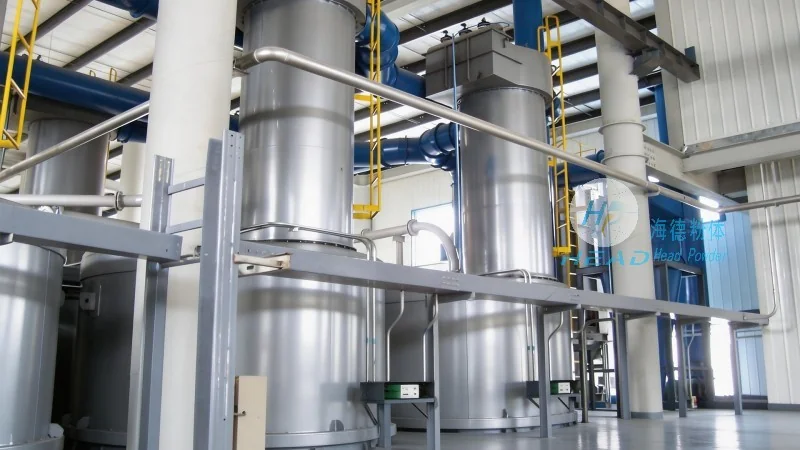
Key Components of a Pneumatic Conveying System
A typical steel grit pneumatic conveying system consists of several key components that work in tandem to ensure smooth operation. The primary components include a material hopper, a feeder mechanism, a conveying line (often with multiple sections), a control valve, and a receiver or discharge unit. The material hopper stores the steel grit, while the feeder controls the flow rate of the material into the system. The conveying line, usually made of durable materials like stainless steel or high-grade plastic to withstand abrasion, transports the material through the system. The control valve regulates the air pressure and flow, ensuring optimal conveying efficiency. Finally, the receiver collects the conveyed steel grit, ready for further processing or use.
Design Principles and Operational Mechanisms
The design principles of a steel grit pneumatic conveying system are centered on balancing the forces of air pressure, material density, and pipeline friction. The system operates by creating a pressure differential between the hopper and the receiver. Compressed air is introduced into the hopper, lifting the steel grit particles and propelling them through the conveying line. The velocity of the air and the size of the particles determine the system's capacity and efficiency. Engineers must carefully calculate the air velocity, pressure drop, and pipeline dimensions to ensure that the steel grit flows smoothly without clogging or excessive wear on the system components. The design also considers the abrasive nature of steel grit, requiring materials that can withstand repeated impact and friction, such as high-strength steel or specialized coatings.
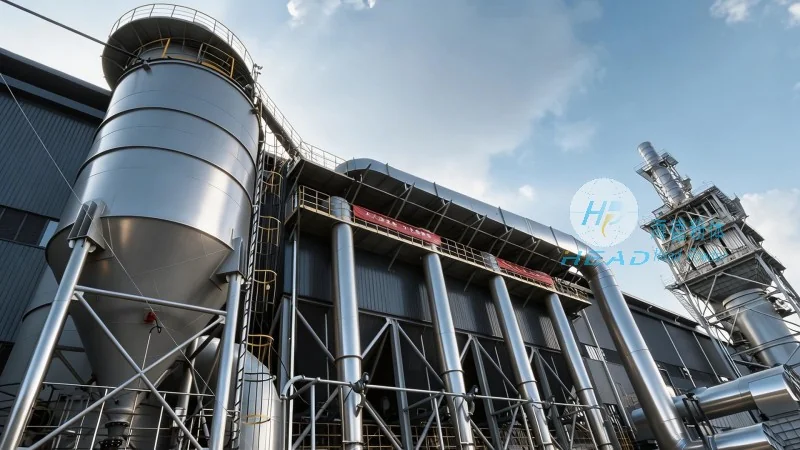
Advantages of Using Pneumatic Conveying for Steel Grit
Compared to traditional mechanical conveying methods, steel grit pneumatic conveying systems offer several advantages. One of the most significant benefits is the ability to handle abrasive materials without causing excessive wear on the equipment. Mechanical conveyors, such as belt or screw conveyors, are often damaged by the hard, sharp particles of steel grit, leading to frequent maintenance and replacement costs. Pneumatic systems, on the other hand, use air as the primary medium, reducing wear and extending the lifespan of components. Additionally, pneumatic conveying allows for a more flexible layout, as the pipeline can be routed around obstacles or through different levels of a facility. This flexibility is particularly useful in complex industrial environments where space is limited. Another advantage is the reduced risk of material contamination, as the system is enclosed, preventing dust and particles from escaping into the environment. This is especially important for steel grit, which can be hazardous if inhaled or come into contact with skin.
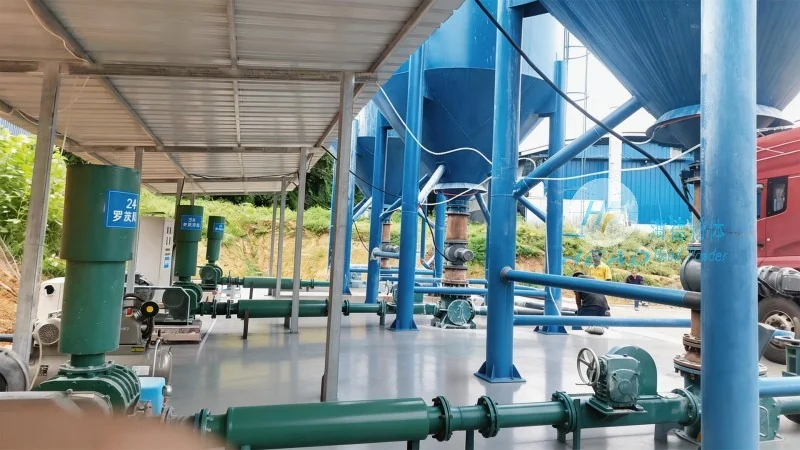
Applications and Industries
Steel grit material pneumatic conveying systems are employed in a wide range of industries where steel grit is a key component. In the manufacturing sector, these systems are used in metalworking and foundry operations to transport steel grit for grinding, polishing, and cleaning surfaces. The automotive industry utilizes them to handle steel grit used in the finishing of car parts, ensuring a smooth and polished finish. In construction, pneumatic conveying systems are used to transport steel grit for surface preparation, such as shot blasting, which is essential for preparing surfaces before painting or coating. The mining and mineral processing industries also benefit from these systems, as they can efficiently transport steel grit used in the processing of ores and minerals. Each application requires a tailored system design to meet specific material flow rates, particle sizes, and environmental conditions.
Customization and Engineering by Shandong HeadPowder Engineering Co., Ltd.
Shandong HeadPowder Engineering Co., Ltd., a leading manufacturer of material handling solutions, specializes in designing and manufacturing custom steel grit pneumatic conveying systems. With years of experience in the industry, the company understands the unique challenges of handling abrasive materials like steel grit. Their engineering team works closely with clients to develop systems that meet their specific operational needs, ensuring optimal performance and reliability. The company's systems are built with high-quality materials, such as stainless steel and abrasion-resistant coatings, to withstand the harsh conditions of steel grit handling. They also offer advanced control systems that allow for precise regulation of air pressure and flow, enhancing the efficiency and safety of the conveying process. HeadPowder's commitment to quality and customer satisfaction has made them a trusted partner for businesses in need of reliable material handling solutions.