For industries dealing with crystal granular materials, efficient material handling is crucial to maintaining production efficiency and product quality. Pneumatic conveying systems have emerged as a reliable solution, offering a flexible and effective method to transport these materials. This article provides an in-depth look at the operation process and working principle of pneumatic conveying for crystal granular materials, highlighting the technical aspects and practical applications.
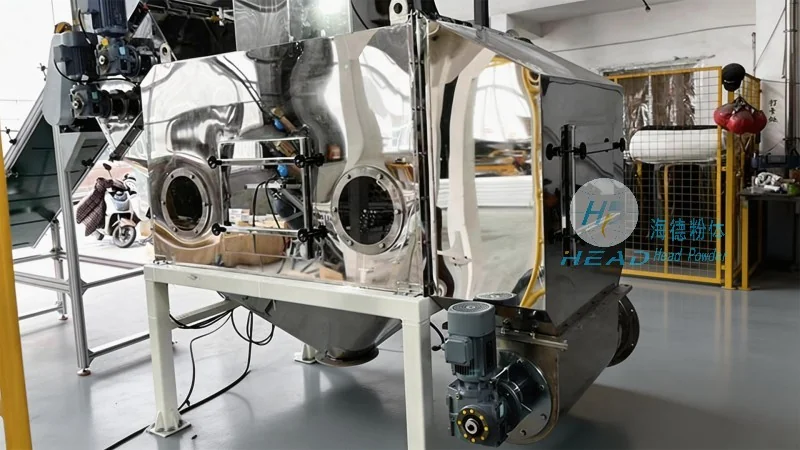
Introduction to Pneumatic Conveying for Crystal Granular Materials
Pneumatic conveying, also known as air conveying, is a technology that uses pressurized or suction air to transport bulk materials through a pipeline. When applied to crystal granular materials—such as pharmaceutical powders, chemical crystals, or food-grade granules—this method ensures minimal product degradation, contamination, and loss. The system typically consists of a feeding device, a conveying line, a separation unit, and a discharge outlet. Each component plays a critical role in the overall operation, ensuring smooth and continuous material transport.
The Operation Process of Pneumatic Conveying Systems
The operation process of a pneumatic conveying system for crystal granular materials involves several key steps, each designed to optimize material flow and system performance. The process begins with the material feeding stage, where the crystal granules are introduced into the system. This is often done using a hopper or a feeder that controls the flow rate to match the conveying requirements. Next, the material is transferred into the conveying line, where it is mixed with the conveying air. The air flow, either in a positive pressure (blowing) or negative pressure (suction) mode, propels the particles through the pipeline.
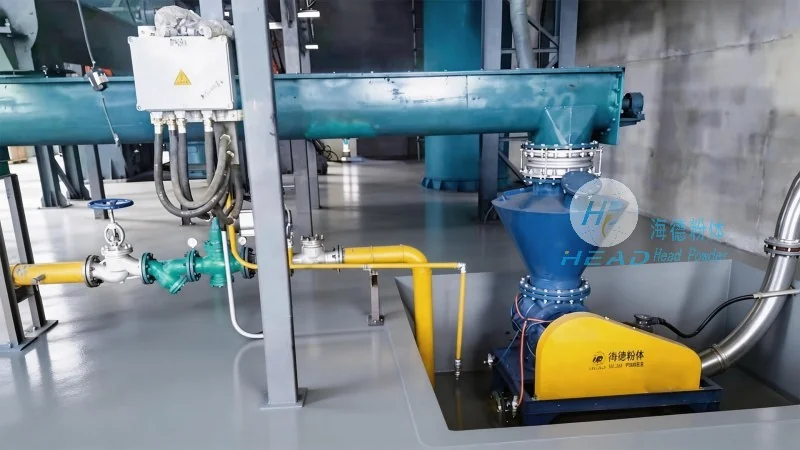
During the conveying phase, the system maintains a consistent air velocity to prevent particle deposition or blockage. The air velocity must be sufficient to overcome the gravitational forces acting on the particles and the friction within the pipeline. For crystal granular materials, which may have varying particle sizes and densities, the system is often equipped with adjustable air flow controls to ensure stable transport. The conveying line may include bends, expansions, or reductions, which are designed to minimize pressure losses and maintain the integrity of the material.
The next stage is the separation and discharge. At the end of the conveying line, the material and air mixture enters a separation unit, such as a cyclone or a filter. The cyclone uses centrifugal force to separate the solid particles from the air, while the filter captures any fine particles that may have escaped. The separated material is then discharged into a collection bin or a processing unit. The air, now clean, is either vented to the atmosphere or recirculated back into the system to improve energy efficiency.
The Working Principle of Pneumatic Conveying for Crystal Granular Materials
The working principle of pneumatic conveying for crystal granular materials is based on the interaction between the conveying air and the solid particles. In a positive pressure system, a blower or compressor generates high-pressure air that is introduced into the conveying line. The air flows through the line, carrying the crystal granules along with it. The pressure difference between the inlet and the outlet of the system drives the material forward. The velocity of the air must be high enough to keep the particles suspended and prevent them from settling.
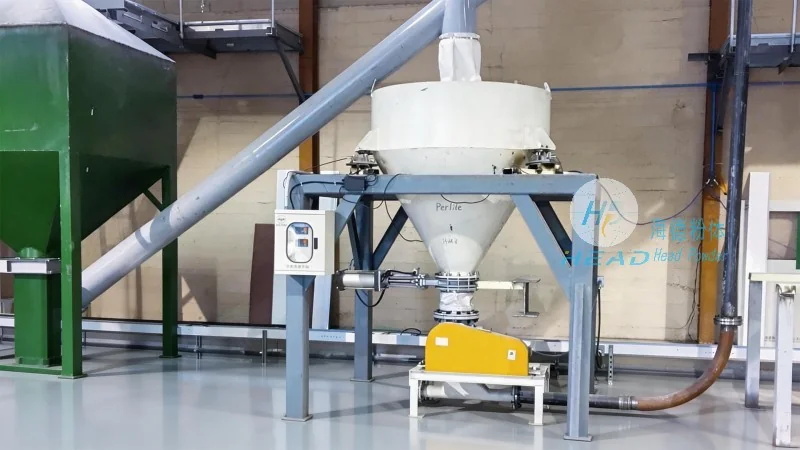
In a negative pressure system, a vacuum pump creates a low-pressure environment at the discharge end of the line. The material is drawn into the line by the suction force, and the air flows from the inlet to the outlet to balance the pressure. Both systems rely on the principle of fluid dynamics, where the air acts as a carrier medium for the solid particles. The key factors influencing the performance of the system include the air velocity, particle size, density, and the system's pressure or vacuum level.
For crystal granular materials, the working principle also considers the material's physical properties, such as its flowability, cohesion, and moisture content. These properties affect how the particles behave in the conveying line, including their tendency to agglomerate or settle. The system is often designed with features like vibration or agitation to prevent blockages and ensure smooth transport. Additionally, the use of specialized materials for the conveying line, such as stainless steel or PTFE-coated pipes, helps to prevent material buildup and maintain product purity.
Key Considerations for Pneumatic Conveying Systems
When implementing a pneumatic conveying system for crystal granular materials, several factors must be considered to ensure optimal performance and longevity. The first is the selection of the appropriate conveying mode—positive pressure or negative pressure—based on the application requirements, such as the distance to be covered and the material's characteristics. The second is the design of the system's components, including the feeding device, which must be capable of handling the material's flow properties without causing degradation.
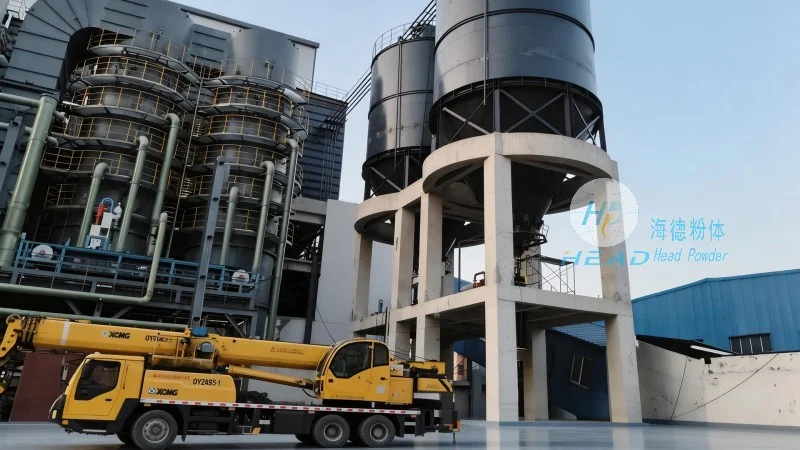
The choice of conveying line material is also critical. Crystal granular materials may be abrasive or corrosive, requiring materials like stainless steel or high-density polyethylene to prevent wear and contamination. The system's air filtration and separation components must be designed to handle the specific particle size and density of the material, ensuring efficient separation and minimal air loss. Additionally, the system's energy efficiency is a key consideration, as the cost of air compression or vacuum generation can significantly impact operational expenses.
Conclusion
Pneumatic conveying systems offer a highly effective and flexible solution for transporting crystal granular materials, providing advantages such as minimal product degradation, easy integration into existing production lines, and reduced labor costs. By understanding the operation process and working principle of these systems, industries can optimize their material handling processes and improve overall efficiency. As a leading provider in this field, Shandong HeadPowder Engineering Co., Ltd. specializes in designing and manufacturing customized pneumatic conveying solutions tailored to the unique needs of crystal granular materials, ensuring reliable and efficient material transport for various applications.




