

Kaolin Powder Conveying System Introduction: Advantages and Features of Kaolin Powder Pneumatic Conv
Efficient and reliable transportation of kaolin powder is a critical aspect in various industrial applications, including ceramics, paper, and coatings. The traditional methods of bulk material handling often face challenges such as dust generation, material degradation, and operational inefficiencies. To address these issues, modern pneumatic conveying systems have emerged as a preferred solution for transporting kaolin powder. This article provides an overview of the kaolin powder conveying system, highlighting its key components, operational principles, and the distinct advantages it offers over conventional methods.
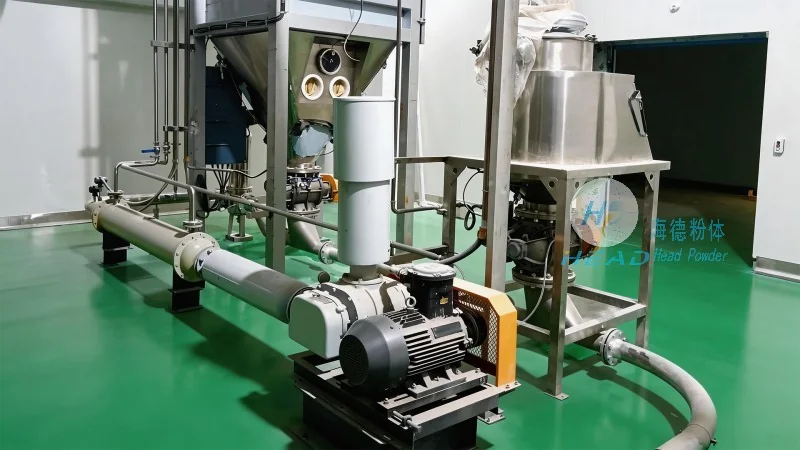
About Shandong HeadPowder Engineering Co., Ltd.
HeadPowder, a leading manufacturer in the field of powder handling equipment, specializes in designing and supplying advanced conveying systems tailored to the specific needs of industries dealing with fine powders like kaolin. With a strong commitment to innovation and quality, the company has established itself as a trusted partner for businesses seeking efficient and cost-effective solutions for their material handling challenges. HeadPowder's expertise lies in developing customized pneumatic conveying systems that ensure optimal performance, minimal maintenance, and compliance with industry standards. The company's headquarters is located in Shandong, China, where it operates a state-of-the-art manufacturing facility and a dedicated research and development center.
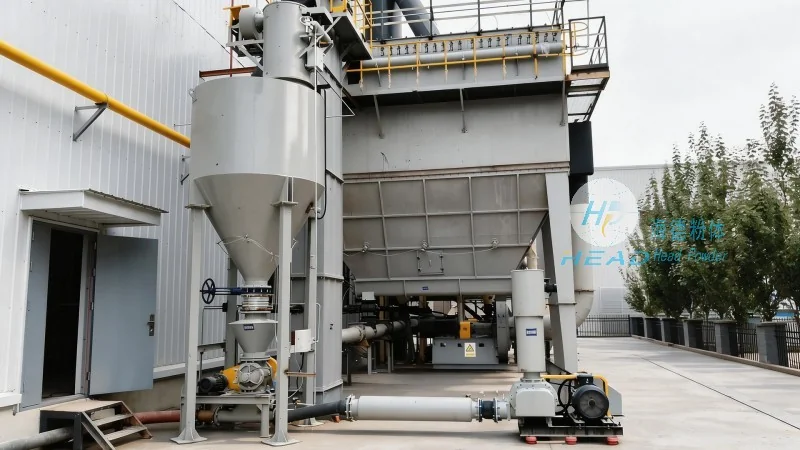
Key Components of Kaolin Powder Pneumatic Conveying Systems
A typical kaolin powder pneumatic conveying system consists of several essential components that work in tandem to ensure smooth and efficient material transport. The primary components include a hopper or storage silo for powder storage, a feeder to control the flow rate of the powder, a conveying line (often equipped with pressure vessels or vacuum pumps), and a receiver or discharge hopper at the destination. The system may also incorporate additional features such as filters, cyclones, and dust collection units to ensure environmental compliance and product purity. The feeder, typically a rotary valve or a screw feeder, plays a crucial role in regulating the flow of kaolin powder, preventing blockages and maintaining consistent pressure within the system. The conveying line, which can be either positive pressure or negative pressure (vacuum) systems, transports the powder through pipelines to the desired location. The receiver at the end of the line collects the powder and may include a discharge valve or a conveyor for further processing. Advanced systems may also include sensors and control panels to monitor and adjust the conveying parameters in real-time, ensuring optimal performance and preventing system failures.
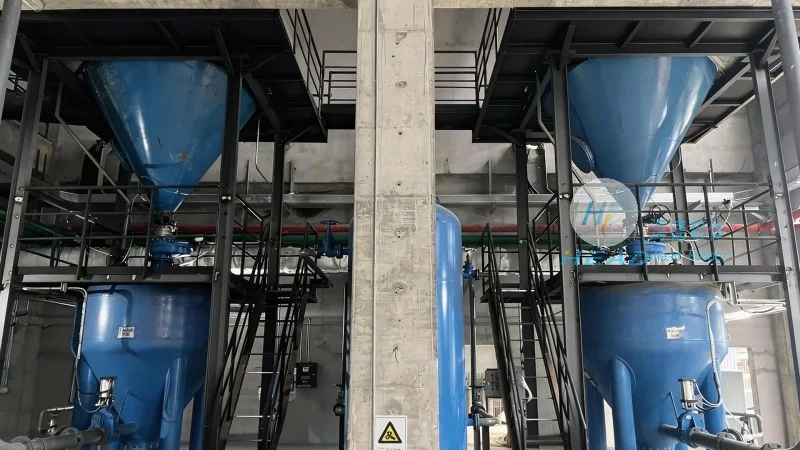
Advantages of Kaolin Powder Pneumatic Conveying
Compared to traditional bulk material handling methods, kaolin powder pneumatic conveying offers several significant advantages that make it the preferred choice for many industries. One of the most notable benefits is the reduction in dust generation and associated health hazards. Unlike belt conveyors or bucket elevators, pneumatic systems transport powder in a closed environment, minimizing exposure to airborne particles and reducing the risk of respiratory issues for workers. This not only enhances workplace safety but also helps in maintaining product quality by preventing contamination from external sources. Another key advantage is the ability to handle fine and abrasive powders without causing material degradation. The enclosed system and controlled flow rates prevent the powder from being exposed to excessive friction or impact, which can lead to clumping or degradation in other handling methods. This is particularly important for kaolin powder, which is often used in applications where particle size and purity are critical, such as in the production of high-quality ceramics or specialty papers. The system also offers improved process control and flexibility. The ability to adjust the flow rate and pressure allows for precise control over the amount of powder being transported, enabling seamless integration with downstream processes. This flexibility is essential for industries that require variable production rates or need to switch between different powder types. Additionally, pneumatic conveying systems are generally more compact and require less floor space compared to traditional methods, making them suitable for facilities with limited space. The reduced number of moving parts and the absence of mechanical components that come into direct contact with the powder also result in lower maintenance costs and longer equipment lifespan. Overall, the advantages of kaolin powder pneumatic conveying systems make them a cost-effective and efficient solution for industries dealing with fine powders.