

Operation Process and Working Principle of Phosphoric Hydrogen Calcium Material Pneumatic Conveying
Phosphoric hydrogen calcium, also known as calcium dihydrogen phosphate, is a widely used chemical compound in various industrial applications. The efficient and reliable transportation of this material is crucial for maintaining production efficiency and ensuring product quality. Pneumatic conveying technology offers a solution to this challenge, providing a method to transport phosphoric hydrogen calcium from one location to another with minimal loss and optimal performance. This article explores the operation process and working principle of pneumatic conveying for phosphoric hydrogen calcium material, highlighting the key aspects that contribute to its effectiveness.
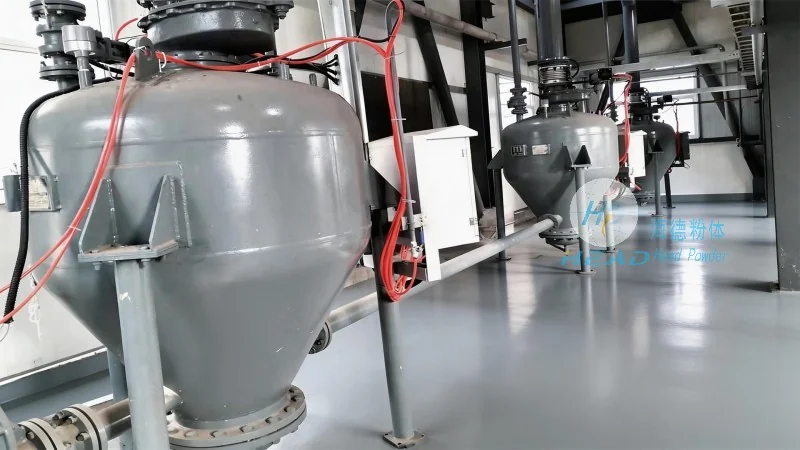
Company Overview
HeadPowder, a leading provider in the field of material handling and processing solutions, specializes in the design, manufacturing, and implementation of advanced pneumatic conveying systems. With a strong focus on innovation and customer satisfaction, HeadPowder has established itself as a trusted partner for industries requiring efficient material transport solutions. The company's expertise lies in understanding the unique characteristics of different materials, including phosphoric hydrogen calcium, and tailoring conveying systems to meet specific operational requirements. HeadPowder's commitment to quality and reliability ensures that its clients receive systems that are not only effective but also durable and easy to maintain. Based in Shandong, China, HeadPowder leverages its local presence and extensive industry knowledge to deliver tailored solutions that enhance production processes and reduce operational costs.
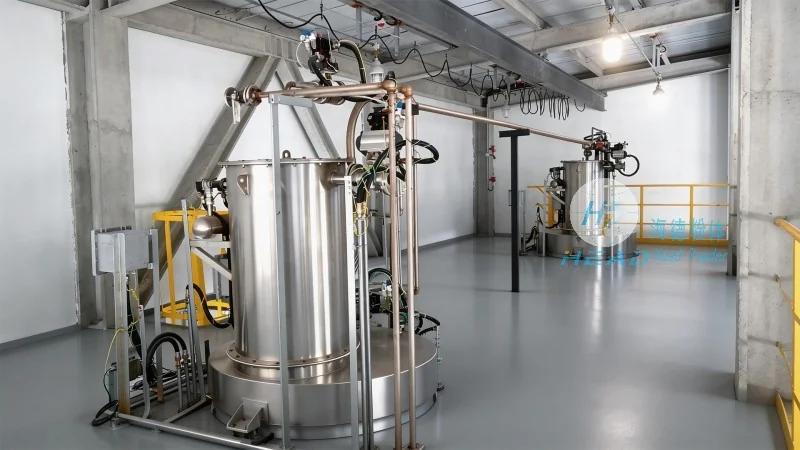
The Operation Process of Pneumatic Conveying
The operation process of pneumatic conveying for phosphoric hydrogen calcium material involves several key steps that ensure the material is transported safely and efficiently. The process begins with the preparation of the material, where the phosphoric hydrogen calcium is loaded into a hopper or storage silo. From there, the material is fed into the conveying system using a feeder, such as a rotary valve or a screw feeder, which controls the flow rate and consistency of the material discharge. The feeder ensures that the material is introduced into the conveying line at a controlled rate, preventing blockages and maintaining a steady flow. Once the material is in the conveying line, it is mixed with air or other gases, creating a slurry or suspension that can be transported through the system. The conveying line typically consists of pipes, bends, and other components that guide the material and air mixture to the destination point. At the receiving end, the material is separated from the air using a separator, such as a cyclone or a bag filter, and collected in a receiving hopper or silo. The air is then filtered and discharged back into the system or released to the atmosphere, depending on the system design. Throughout the operation process, the system is monitored for pressure, flow rate, and material level to ensure optimal performance and prevent any issues that may arise. HeadPowder's systems are equipped with advanced control systems that allow for real-time monitoring and adjustment, ensuring that the conveying process is smooth and efficient.
Working Principle of Pneumatic Conveying
The working principle of pneumatic conveying for phosphoric hydrogen calcium material is based on the use of air or other gases to transport the material through a pipeline. The system operates by creating a pressure differential between the inlet and outlet of the conveying line. The material is introduced into the system at a high velocity, and the air or gas provides the necessary force to move the material along the pipeline. The key components of the system include the feeder, the conveying line, the separator, and the control system. The feeder controls the flow rate of the material, while the conveying line provides the path for the material and air mixture. The separator separates the material from the air, allowing the material to be collected and the air to be recycled or discharged. The control system monitors and adjusts the system parameters to maintain optimal performance. The pneumatic conveying system for phosphoric hydrogen calcium material is designed to handle the specific properties of the material, such as its particle size, density, and moisture content. The system is equipped with features that prevent material buildup, such as the use of inclined pipes and air knives, to ensure that the material flows smoothly and does not cause blockages. HeadPowder's systems are designed with these considerations in mind, ensuring that the conveying process is efficient and reliable.
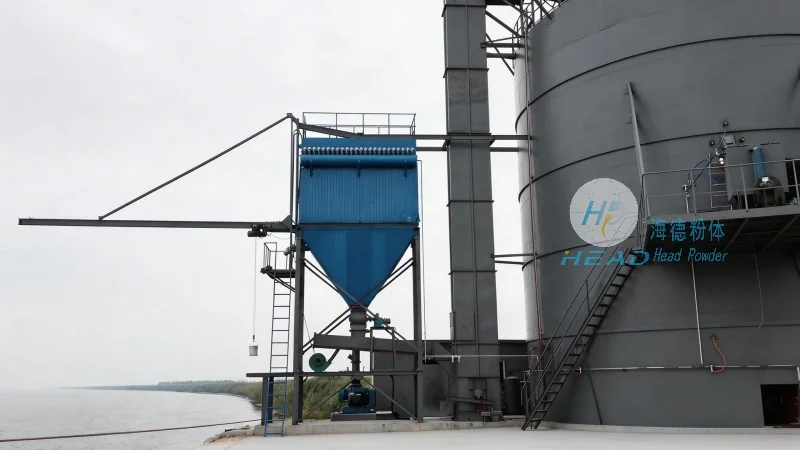
Technical Advantages and Applications
Pneumatic conveying of phosphoric hydrogen calcium material offers several technical advantages that make it an ideal solution for various industrial applications. One of the main advantages is the ability to transport the material in a closed system, which prevents contamination and dust exposure. This is particularly important for phosphoric hydrogen calcium, which can be a source of dust and can affect the quality of the final product. The closed system also reduces the risk of material loss and improves overall safety in the workplace. Another advantage is the flexibility of the system, which can be adapted to different production requirements and layouts. The system can be designed to handle varying flow rates and material types, making it suitable for a wide range of applications. Additionally, pneumatic conveying systems are energy-efficient compared to other transport methods, such as belt conveyors or trucks, as they use less power to transport the material over long distances. The systems are also easy to install and maintain, with minimal downtime required for maintenance. HeadPowder's pneumatic conveying systems for phosphoric hydrogen calcium material are used in various industries, including food processing, pharmaceuticals, and chemical manufacturing. The systems are designed to meet the specific needs of each industry, ensuring that the material is transported safely and efficiently. For example, in the food industry, the system is used to transport phosphoric hydrogen calcium for use as a food additive, ensuring that the material is handled in a hygienic and safe manner. In the pharmaceutical industry, the system is used to transport the material for use in the production of medications, ensuring that the material is free from contaminants and meets the strict quality standards required for pharmaceutical products. In the chemical industry, the system is used to transport the material for use in the production of fertilizers and other chemical products, ensuring that the material is handled in a safe and efficient manner.