

Operation Process and Working Principle of Pneumatic Conveying for Foam Plastic Materials
Pneumatic conveying systems are widely used in industrial applications to transport bulk materials like foam plastics efficiently and safely. These systems utilize air or gas as the conveying medium to move materials through a pipeline network. The operation process involves several key steps, including material feeding, air induction, and material transport, which are crucial for maintaining system efficiency and minimizing material degradation.
Key Components and Their Roles in the Conveying Process
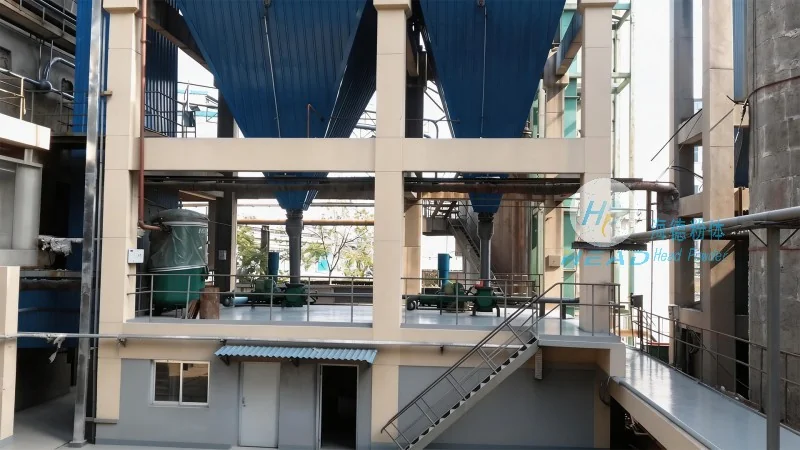
The core components of a pneumatic conveying system for foam plastics include the material hopper, air compressor, conveyor pipeline, and discharge device. The material hopper is designed to store and feed the foam plastic material into the system. It often features a hopper with a discharge valve to control the flow rate. The air compressor provides the necessary pressure and volume of air to create the conveying airflow. The conveyor pipeline, typically made of durable materials such as stainless steel or plastic, ensures the material is transported from the hopper to the discharge point. The discharge device, such as a rotary valve or a venturi system, regulates the release of the material at the end of the pipeline.
Working Principle of the Conveying Mechanism
The working principle of pneumatic conveying for foam plastics relies on the interaction between the material particles and the air flow. In a pressure system, the air compressor pressurizes the pipeline, and the material is drawn into the pipeline by the high-pressure air. The air flow carries the foam plastic particles through the pipeline, maintaining a consistent velocity to prevent material settling or blockage. In a vacuum system, the air is drawn from the pipeline, creating a negative pressure that pulls the material from the hopper into the pipeline. The design of the system, including the pipeline diameter, air velocity, and material characteristics, is critical to ensure smooth and efficient transport.
Operation Process: Step-by-Step Overview
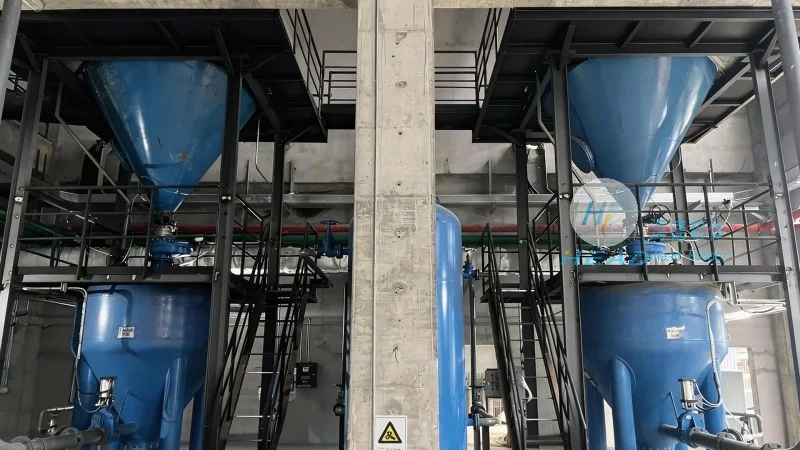
The operation process of a pneumatic conveying system for foam plastics typically involves the following steps: 1. Material loading: The foam plastic material is loaded into the hopper. 2. Air compression: The air compressor is activated to generate the required pressure. 3. Material induction: The material is fed into the pipeline as the air flow is established. 4. Conveyance: The material is transported through the pipeline to the discharge point. 5. Discharge: The material is released from the pipeline at the end of the system. Each step must be carefully controlled to maintain system performance and prevent issues such as material buildup or air leakage.
Benefits of Using Pneumatic Conveying for Foam Plastics
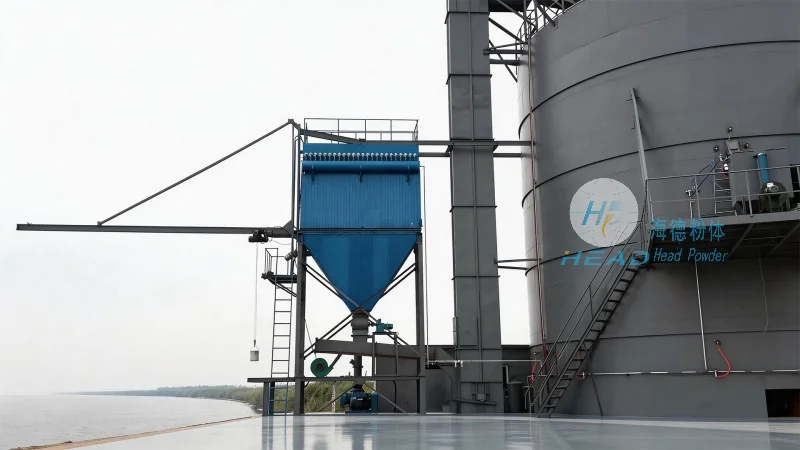
Implementing a pneumatic conveying system for foam plastics offers several advantages. These include reduced material handling time, improved safety by minimizing manual handling, and enhanced product quality by preventing contamination or damage. The system also allows for flexible material transport, as it can be easily integrated into existing production lines. Additionally, pneumatic conveying systems are energy-efficient compared to traditional methods like belt conveyors, making them a cost-effective solution for industrial applications.
About Shandong HeadPowder Engineering Co., Ltd.
Shandong HeadPowder Engineering Co., Ltd., commonly known as HeadPowder, is a leading manufacturer specializing in pneumatic conveying systems and related equipment. With a focus on innovation and quality, HeadPowder provides customized solutions tailored to the specific needs of clients in various industries. The company's products are designed to handle a wide range of materials, including foam plastics, ensuring efficient and reliable transport. HeadPowder's commitment to customer satisfaction and technical excellence has established it as a trusted partner in the material handling industry.