

Operation Process and Working Principle of Pneumatic Conveying for Sand Particle Materials
Pneumatic conveying is a widely used method for transporting bulk materials like sand particles through a pipeline using air or gas as the conveying medium. This technology offers an efficient and flexible solution for material handling in various industrial applications. The process involves the movement of solid particles within a sealed system, where air is used to create a flow that transports the material from the source to the destination. Understanding the operation process and working principle of such systems is crucial for optimizing performance and ensuring reliable material transport.
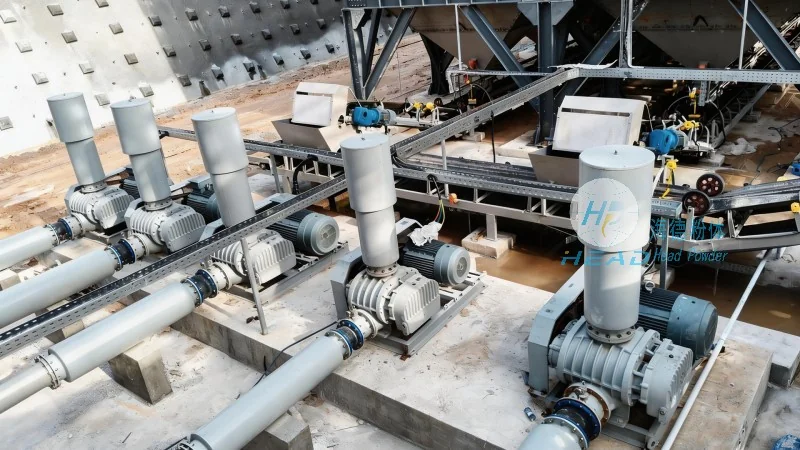
Company Overview: HeadPowder Engineering
HeadPowder, formally known as Shandong HeadPowder Engineering Co., Ltd., is a leading provider of advanced material handling solutions. With a strong presence in China, particularly in Shandong province, the company specializes in designing, manufacturing, and implementing pneumatic conveying systems tailored to the needs of diverse industries. HeadPowder's expertise lies in delivering robust and efficient solutions for transporting sand and other granular materials, ensuring high performance and durability in demanding operational environments.
The Operation Process of Pneumatic Conveying for Sand Particles
The operation process of pneumatic conveying for sand particles typically involves several key stages. First, the sand particles are loaded into the conveying system, often through a hopper or a feeder that ensures a consistent flow of material. The system then uses a blower or a compressor to generate the necessary air pressure, which creates a flow within the pipeline. As the air moves through the pipeline, it carries the sand particles along, transporting them to the desired location. The process may include different types of conveying systems, such as dilute phase or dense phase, depending on the specific requirements of the application. Dilute phase systems use higher air velocities to transport particles in a suspended state, while dense phase systems use lower velocities to move particles in a more compacted form.
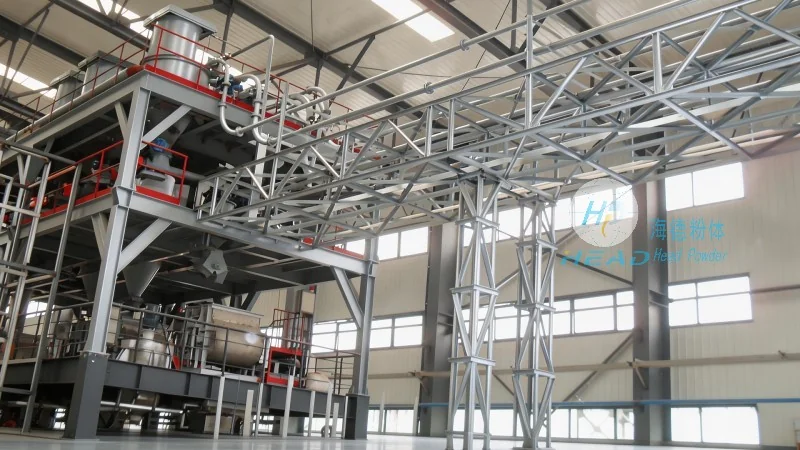
Working Principle of Pneumatic Conveying Systems
The working principle of pneumatic conveying systems for sand particles is based on the interaction between the air flow and the solid particles. In a typical setup, a fan or compressor supplies compressed air into the pipeline. The air creates a pressure differential that draws the sand particles into the system. The particles are then carried by the air stream, moving through the pipeline until they reach the discharge point. The system may include components like cyclones, filters, and separators to separate the air from the particles at the end of the conveying line. This separation process is essential for maintaining the purity of the conveyed material and for recycling the air if needed. The efficiency of the system depends on factors such as air velocity, particle size, and the design of the pipeline and components.
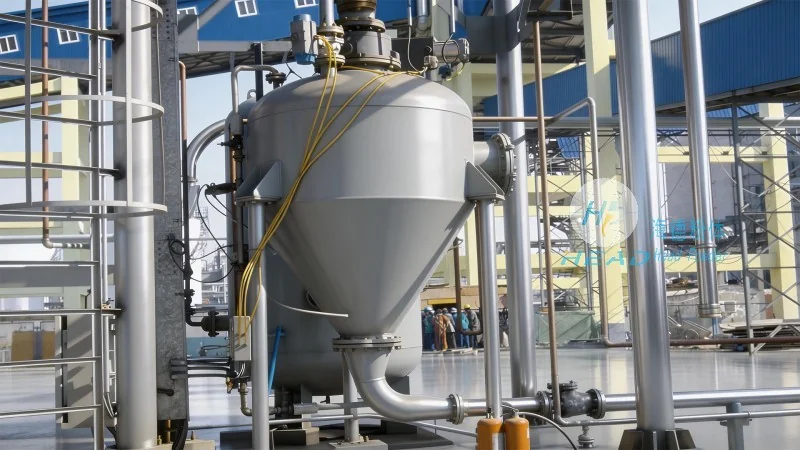
Key Components and Their Roles in Pneumatic Conveying
Several key components are integral to the operation of pneumatic conveying systems for sand particles. The blower or compressor is responsible for generating the air pressure required to move the particles. The hopper or feeder ensures a steady supply of sand, preventing blockages and maintaining consistent flow. The pipeline itself is designed to withstand the pressure and friction caused by the moving particles and air. Cyclones and filters are used to separate the particles from the air at the end of the line, allowing the air to be recycled or vented safely. Additionally, control systems are employed to regulate the flow rate, pressure, and other parameters to optimize the conveying process. These components work together to ensure the smooth and efficient transport of sand particles, minimizing downtime and maximizing productivity.
Applications and Benefits of Pneumatic Conveying for Sand
Pneumatic conveying systems are widely used in various industries for transporting sand particles, including construction, mining, and manufacturing. The benefits of this technology include reduced labor costs, improved safety by eliminating manual handling, and increased efficiency in material transport. Compared to traditional methods like belt conveyors or trucks, pneumatic conveying offers advantages such as lower maintenance requirements and the ability to handle materials in confined spaces. The flexibility of pneumatic systems allows for easy integration into existing production lines and the ability to transport materials over long distances without the need for multiple transfer points. Overall, the use of pneumatic conveying for sand particles provides a reliable and cost-effective solution for material handling in modern industrial operations.