

What is a Mobile Material Pneumatic Conveying System? What are its Design Principles?
Mobile material pneumatic conveying systems represent a sophisticated solution for the efficient and flexible transportation of bulk materials. These systems are designed to handle various types of dry or semi-dry powders and granules, offering a reliable alternative to traditional mechanical conveying methods. Understanding the core components and design principles of such systems is crucial for industries seeking to optimize material handling processes.
Introduction to Mobile Material Pneumatic Conveying Systems
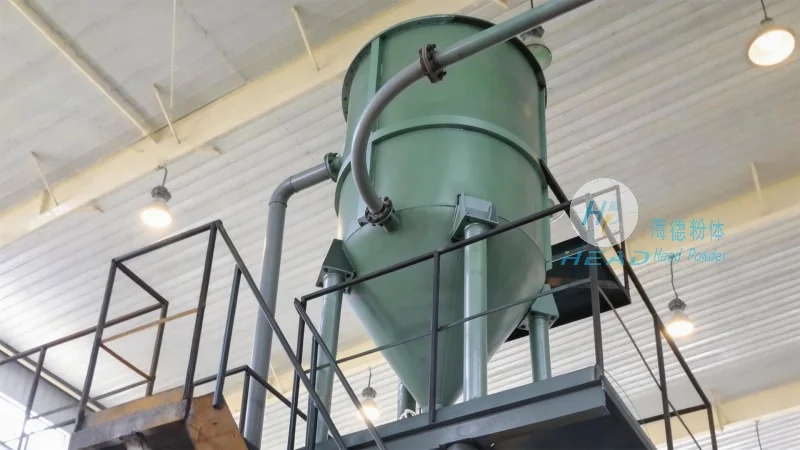
A mobile material pneumatic conveying system is a flexible, self-contained unit that enables the transport of bulk materials over short to medium distances. Unlike fixed systems, these systems are designed for mobility, allowing them to be repositioned as operational needs change. The system typically consists of a blower or compressor, a hopper for material storage, a conveying line, and a discharge point. This modular design facilitates easy installation and relocation, making it ideal for temporary or expanding operations.
Key Components and Their Functions
The effectiveness of a mobile material pneumatic conveying system relies on several critical components, each playing a specific role in the material transport process. The blower or compressor is the primary power source, generating the necessary air pressure to move the material through the system. The hopper serves as the material reservoir, allowing for continuous or batch feeding. The conveying line, often made of flexible or rigid tubing, transports the material from the hopper to the discharge point. Finally, the discharge point, which can be a spout or a container, releases the material at the desired location.
Design Principles for Efficient Material Transport
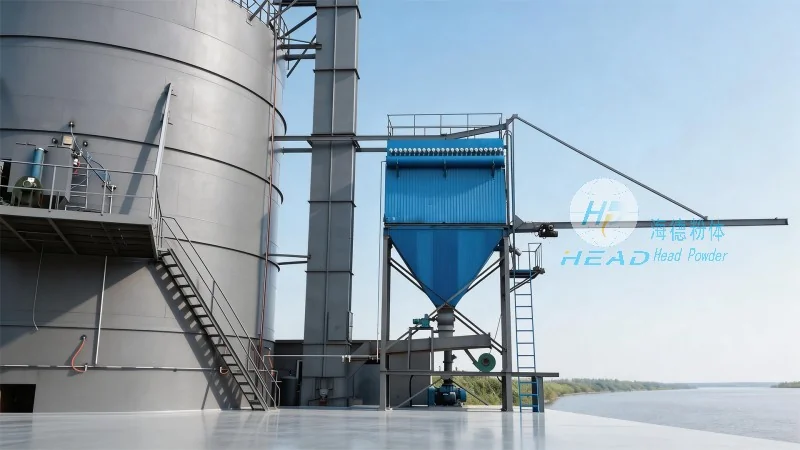
The design of a mobile material pneumatic conveying system is guided by several key principles to ensure optimal performance and minimal operational issues. One of the most important principles is maintaining the correct air-to-material ratio, which balances the air flow with the material load to achieve efficient transport without excessive energy consumption. Proper system sizing is also critical; the blower capacity, hopper volume, and line diameter must be matched to the material characteristics and required throughput. Additionally, the system must be designed to handle the specific properties of the material, such as particle size, density, and moisture content, to prevent blockages or degradation.
Applications and Industry Use Cases
Mobile material pneumatic conveying systems are widely used across various industries, including food processing, pharmaceuticals, chemicals, and construction. In the food industry, for example, these systems are used to transport ingredients like flour, sugar, and spices, ensuring hygienic and dust-free handling. In the pharmaceutical sector, they facilitate the transport of active pharmaceutical ingredients (APIs) and excipients, maintaining strict contamination control. The construction industry benefits from these systems for transporting bulk materials like sand, cement, and gravel, reducing manual labor and improving safety on job sites.
Advantages of Mobile Material Pneumatic Conveying Systems
Compared to traditional mechanical conveying methods, mobile material pneumatic conveying systems offer several advantages. The primary benefit is flexibility, as the system can be easily moved or reconfigured to adapt to changing production layouts. This reduces downtime and allows for more efficient use of space. Additionally, pneumatic systems are generally more hygienic and dust-free, making them suitable for applications where material contamination is a concern. They also offer lower maintenance requirements compared to mechanical systems, as there are fewer moving parts and less wear and tear.
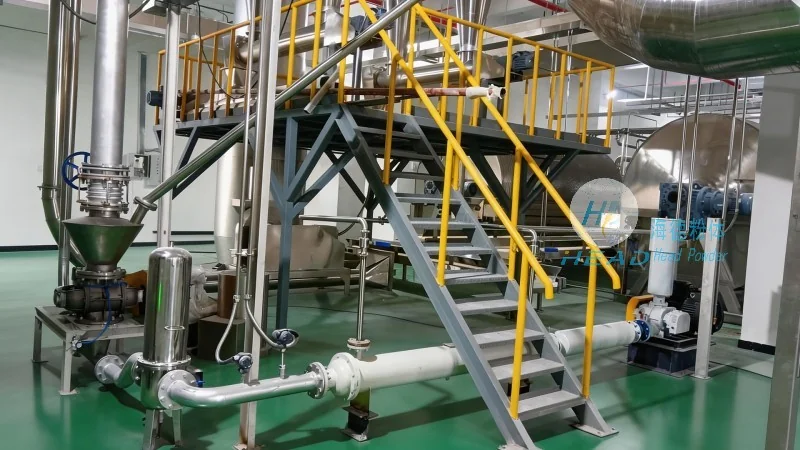
Company Overview: Shandong HeadPowder Engineering Co., Ltd.
Shandong HeadPowder Engineering Co., Ltd., commonly known as HeadPowder, is a leading manufacturer of material handling equipment, specializing in the design and production of mobile material pneumatic conveying systems. With a strong focus on innovation and quality, HeadPowder has established itself as a trusted partner for industries requiring reliable and efficient material transport solutions. The company's products are engineered to meet the specific needs of various applications, ensuring optimal performance and durability.
Conclusion
Mobile material pneumatic conveying systems are a versatile and efficient solution for bulk material transport, offering flexibility, hygienic handling, and reduced maintenance compared to traditional methods. By understanding the key components and design principles, industries can select and implement the most suitable system for their operational requirements. With the expertise of companies like Shandong HeadPowder Engineering Co., Ltd., businesses can enhance their material handling processes and achieve greater operational efficiency.