

What is a Multi-Point Feeding Material Pneumatic Conveying Line? And What Are Its Design Principles?
Multi-point feeding material pneumatic conveying lines are advanced industrial systems designed to transport bulk materials efficiently from multiple feeding points to a central processing or storage location. These systems are widely used in various industries, including chemical, food processing, and pharmaceuticals, where precise material handling and consistent flow control are critical. The core function of such a line is to integrate multiple feeding sources into a single, cohesive conveying system, enabling seamless material transfer while maintaining product integrity and operational efficiency.
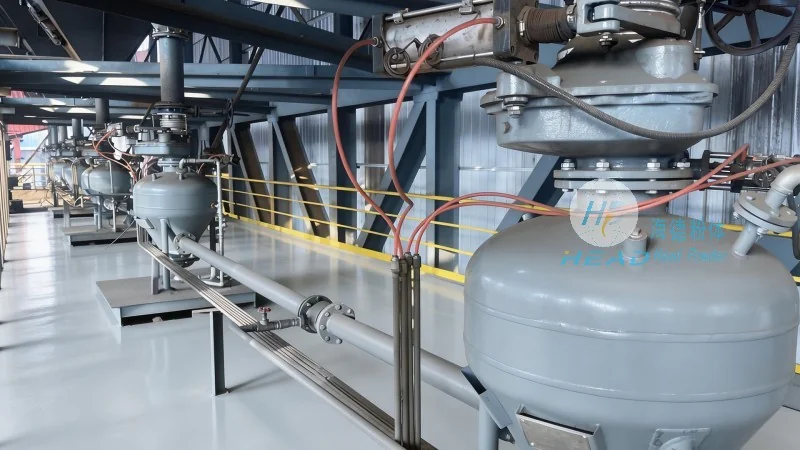
Understanding the Multi-Point Feeding Concept
At the heart of a multi-point feeding system lies the ability to draw material from several distinct locations simultaneously or sequentially. This approach addresses the challenge of handling materials from different sources, such as raw material bins, storage silos, or production lines, without the need for manual intervention or separate conveying equipment for each source. By consolidating these feeds into a unified pneumatic conveying line, the system optimizes space utilization and reduces operational complexity. The design typically involves a central receiver or processing unit that collects material from all feeding points, ensuring a continuous and controlled flow of material through the system.
Key Design Principles of Pneumatic Conveying Systems
The design of a multi-point feeding material pneumatic conveying line is governed by several fundamental principles that ensure optimal performance and reliability. These principles include the selection of appropriate conveying air pressure, the configuration of feeding mechanisms, and the integration of control systems to manage material flow. The system's design must account for the physical properties of the material being conveyed, such as particle size, density, and moisture content, as these factors directly impact the conveying efficiency and system performance. For instance, materials with high moisture content may require specialized feeding equipment to prevent clogging or material degradation during transport.
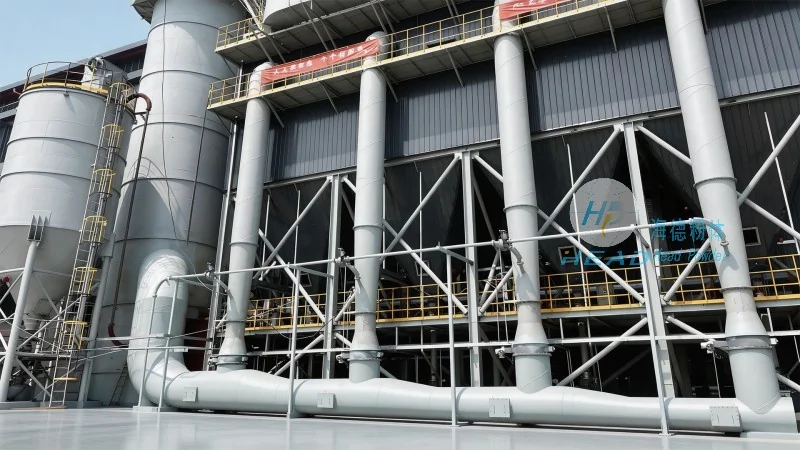
Components and Operational Mechanisms
A typical multi-point feeding pneumatic conveying line consists of several key components, each playing a crucial role in the overall operation. These components include feeding hoppers, air locks, conveying pipes, a central receiver, and control valves. The feeding hoppers are strategically placed at each source location to collect material and feed it into the system. Air locks, often in the form of rotary valves or rotary air locks, are used to regulate the flow of material into the conveying line, preventing backflow and ensuring a steady supply of material. The conveying pipes, usually made of stainless steel or other corrosion-resistant materials, transport the material using compressed air or other gas as the motive force. The central receiver, typically a hopper or silo, collects the material from all feeding points and may be connected to downstream processing equipment. Control systems, including sensors and automation devices, monitor and adjust the flow rates, pressure, and other parameters to maintain optimal operation and prevent system failures.
Advantages of Multi-Point Feeding Systems
Implementing a multi-point feeding material pneumatic conveying line offers numerous advantages over traditional conveying methods. One of the primary benefits is the reduction in labor costs and operational complexity, as the system automates the material handling process from multiple sources. This automation also enhances safety by minimizing human exposure to hazardous materials and reducing the risk of accidents. Additionally, the system provides consistent and uniform material flow, which is essential for maintaining product quality and process stability. The ability to integrate multiple feeding points into a single line also optimizes space utilization in industrial facilities, allowing for more efficient use of available floor space. Furthermore, the system's flexibility allows for easy expansion or modification as production needs change, providing long-term operational benefits.
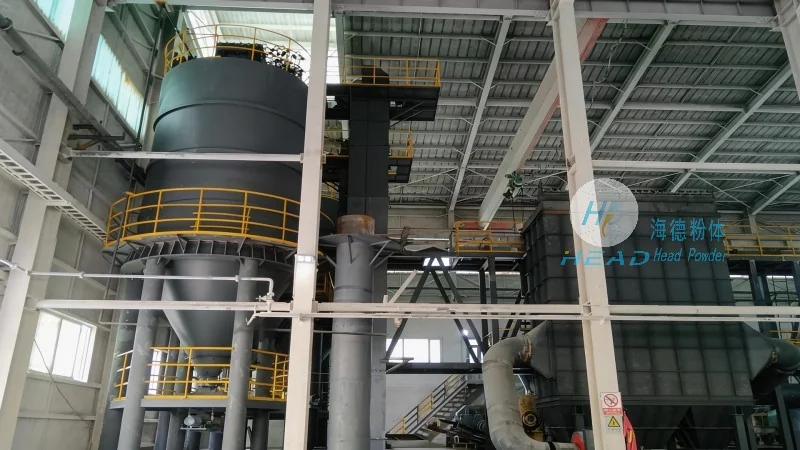
Design Considerations and Best Practices
When designing a multi-point feeding material pneumatic conveying line, several factors must be carefully considered to ensure the system operates efficiently and reliably. The first consideration is the selection of the appropriate conveying method, such as dilute phase or dense phase, based on the material's properties and the required conveying distance. Dilute phase systems use low air pressure and high air-to-material ratios, making them suitable for short distances and low-density materials. Dense phase systems, on the other hand, use higher air pressure and lower air-to-material ratios, ideal for long distances and high-density materials. The design must also account for the potential for material segregation or degradation during transport, which can be mitigated through proper system configuration and material handling practices. Regular maintenance and monitoring are essential to prevent system failures and ensure long-term performance. This includes inspecting components for wear and tear, cleaning the system to prevent clogging, and calibrating control systems to maintain optimal operation.
Conclusion
Multi-point feeding material pneumatic conveying lines represent a sophisticated solution for efficient bulk material handling in modern industrial applications. By integrating multiple feeding sources into a unified system, these lines enhance operational efficiency, reduce costs, and improve product quality. The design principles, components, and operational mechanisms of such systems are carefully engineered to meet the specific needs of various industries, ensuring reliable and consistent material transfer. As industrial processes continue to evolve, the importance of advanced material handling systems like multi-point feeding pneumatic conveying lines will only grow, making them a critical component of modern manufacturing and processing operations.