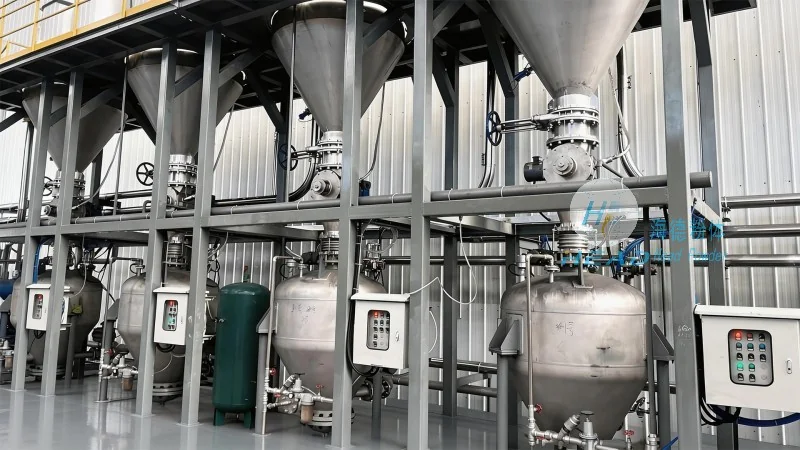
Water-in-powder material conveying equipment is a specialized system designed to handle and transport powder materials that are mixed with water or other liquid carriers. This type of equipment is commonly used in industries such as construction, mining, and chemical processing, where the efficient and controlled movement of these materials is critical for operational efficiency and safety.
Understanding the Core Function of Water-in-Powder Conveying Systems
The primary purpose of water-in-powder conveying equipment is to ensure that powder materials, often in the form of slurry or wet mixtures, are transported from one location to another without clogging or degradation. These systems are engineered to maintain the consistency of the material, preventing issues like blockages in pipelines or the separation of solids and liquids during transport. The equipment typically includes components like pumps, hoses, and control valves that work in tandem to manage the flow and pressure of the material mixture.
Key Design Principles Behind Water-in-Powder Conveying Equipment
The design of water-in-powder conveying equipment is guided by several fundamental principles aimed at optimizing performance and durability. One of the most critical principles is the maintenance of a consistent slurry density, which is essential for preventing pipeline wear and ensuring uniform material distribution. Engineers often incorporate adjustable flow rates and pressure controls to accommodate varying material properties and system requirements. Additionally, the equipment is designed with materials that are resistant to corrosion and abrasion, as the constant contact with wet and abrasive powders can cause significant wear over time.
Components and Their Roles in the Conveying Process
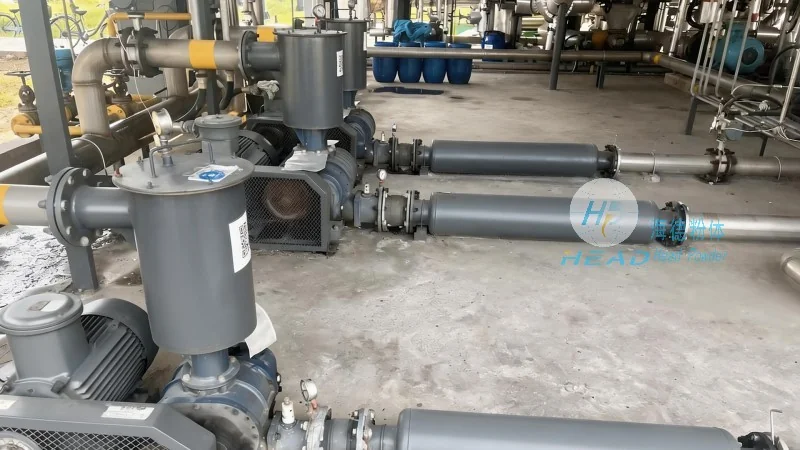
Water-in-powder conveying systems typically consist of several key components, each playing a vital role in the overall operation. The pump is the heart of the system, responsible for generating the necessary pressure to move the slurry through the pipeline. Different types of pumps, such as centrifugal or positive displacement pumps, are used depending on the specific characteristics of the material being conveyed. Hoses or pipes are used to transport the material from the source to the destination, and they are often made from flexible or rigid materials that can withstand the pressure and abrasion of the slurry. Control valves are integrated into the system to regulate the flow rate and pressure, allowing operators to adjust the conveying process as needed. Sensors and monitoring devices may also be included to provide real-time data on the system's performance, ensuring optimal operation and early detection of any issues.
The Importance of Proper Material Preparation in Conveying
Before the material can be effectively conveyed, proper preparation is essential. This involves mixing the powder with water or other liquid carriers to achieve the desired slurry consistency. The ratio of powder to liquid is carefully controlled to ensure that the material flows smoothly through the system without clogging. Proper preparation also helps to reduce the risk of material degradation, such as clumping or agglomeration, which can affect the quality of the final product. In some cases, additives may be used to improve the flow characteristics of the slurry, further enhancing the efficiency of the conveying process.
Applications and Industries That Benefit from Water-in-Powder Conveying
Water-in-powder conveying equipment is widely used across various industries due to its ability to handle a diverse range of materials. In the construction industry, these systems are commonly used to transport cement, fly ash, and other powders for concrete production. The mining industry utilizes them to move ore slurries from processing plants to storage facilities or for further treatment. The chemical processing industry also benefits from these systems when handling powders mixed with solvents or other liquids. Each application requires specific equipment configurations to meet the unique demands of the material and the operational environment.
Advantages of Using Water-in-Powder Conveying Equipment
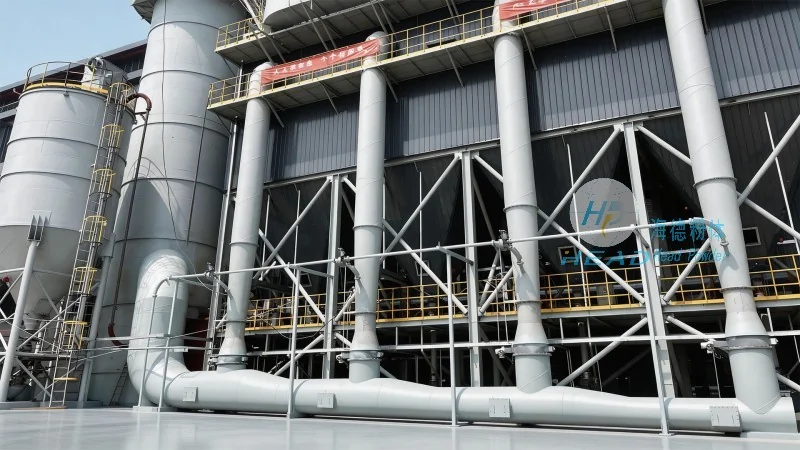
There are several advantages to using water-in-powder conveying equipment in industrial settings. One of the main benefits is the ability to transport materials over long distances without the need for extensive infrastructure, such as conveyor belts or elevators. This can significantly reduce installation costs and operational complexity. Additionally, the equipment is highly efficient in terms of energy consumption, as the slurry can be moved with less friction compared to dry materials. The consistent flow of the material also ensures that the quality of the final product is maintained, as there is less risk of segregation or degradation during transport. Furthermore, the system is relatively easy to maintain and repair, with many components being replaceable and accessible for routine maintenance.
Challenges and Considerations in Water-in-Powder Conveying
Despite its benefits, water-in-powder conveying equipment also presents some challenges that must be addressed. One of the primary concerns is the potential for corrosion and wear on the system components due to the abrasive nature of the slurry. Regular maintenance and the use of corrosion-resistant materials are essential to mitigate these issues. Another challenge is the need for proper material preparation, as inconsistent slurry consistency can lead to clogging or reduced efficiency. Additionally, the system requires careful monitoring to ensure that the flow rate and pressure are maintained within optimal ranges, as fluctuations can affect the quality of the conveyed material.
Conclusion: The Role of Water-in-Powder Conveying Equipment in Modern Industry
Water-in-powder material conveying equipment plays a crucial role in modern industrial operations, providing an efficient and reliable method for transporting powder materials mixed with water or other liquids. The design principles and components of these systems are carefully engineered to address the unique challenges of slurry transport, ensuring that materials are moved safely and effectively. As industries continue to evolve and demand higher efficiency and quality in their processes, the importance of these conveying systems will only grow. Companies like Shandong HeadPowder Engineering Co., Ltd., based in China, specialize in the design and manufacturing of such equipment, offering tailored solutions to meet the specific needs of various industries. By understanding the core functions and design principles of water-in-powder conveying equipment, businesses can make informed decisions about integrating these systems into their operations, ultimately enhancing productivity and operational performance.




