

Dry Desulfurizer Material Pneumatic Conveying Equipment: What It Is and Its Design Principles
Understanding the technology behind dry desulfurizer material pneumatic conveying equipment is crucial for industries involved in flue gas treatment and environmental compliance. This equipment plays a vital role in efficiently transporting desulfurization agents, which are essential for reducing sulfur dioxide emissions from industrial processes. The design of such equipment is tailored to meet the specific demands of handling dry, fine powders while ensuring minimal material loss and optimal performance.
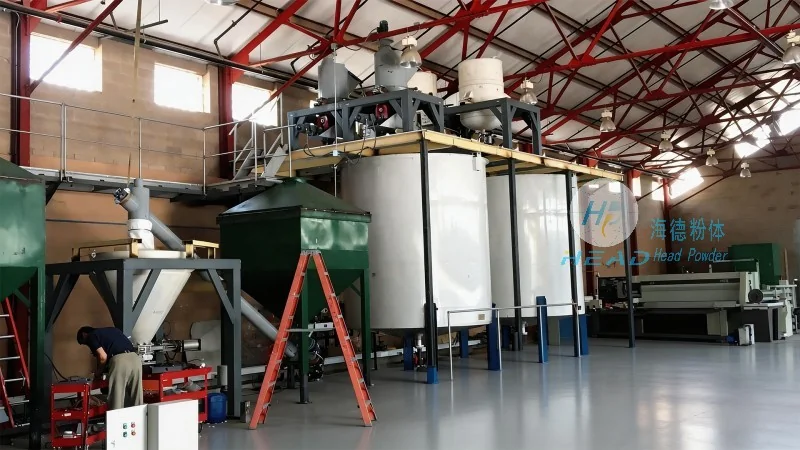
What is Dry Desulfurizer Material Pneumatic Conveying Equipment?
At its core, dry desulfurizer material pneumatic conveying equipment is a system designed to transport dry desulfurization agents—typically calcium-based powders like limestone or lime—using air as the conveying medium. Unlike traditional bulk material handling methods, this equipment relies on the principles of pneumatic transport to move materials from a source to a destination, such as a reactor or storage silo. The system typically consists of components like a hopper, feeder, air compressor, and pipeline, all working in tandem to ensure smooth and efficient material transfer. The hopper stores the desulfurization agent, while the feeder regulates the flow rate, and the air compressor generates the necessary pressure to move the material through the pipeline. The pipeline itself is often made of corrosion-resistant materials like stainless steel or plastic to withstand the chemical properties of the desulfurizer and the air.
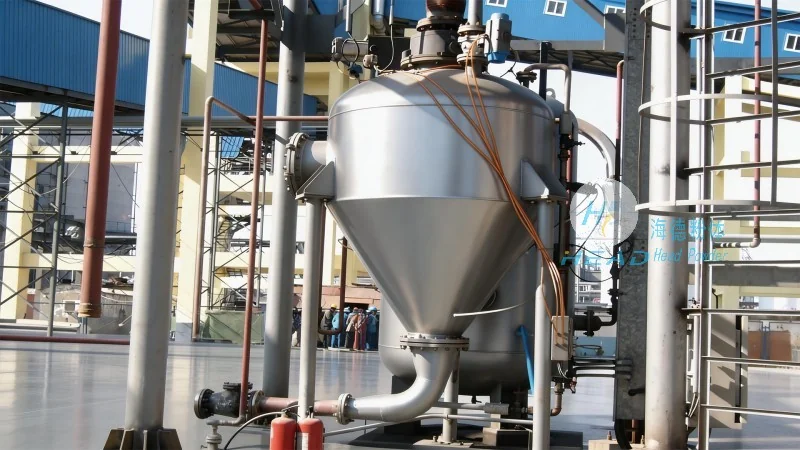
Key Design Principles of the Equipment
The design of dry desulfurizer material pneumatic conveying equipment is guided by several critical principles to ensure reliability, efficiency, and safety. First, the equipment must be capable of handling fine, dry powders without agglomeration or caking, which could impede flow. This is achieved through features like air classifiers, which separate oversized particles from the main stream, and moisture control systems to prevent clumping. Second, the system is engineered for low pressure and low velocity operation—typically operating at pressures between 0.5 to 2 bar and velocities of 10 to 20 m/s—to minimize wear on components and reduce energy consumption. Third, the design incorporates safety measures, including pressure relief valves, explosion-proof components, and dust collection systems, to protect against potential hazards associated with powder handling. Additionally, the equipment is designed for easy maintenance and cleaning, with features like self-cleaning pipelines, quick-release fittings, and accessible components to reduce downtime and maintenance costs.
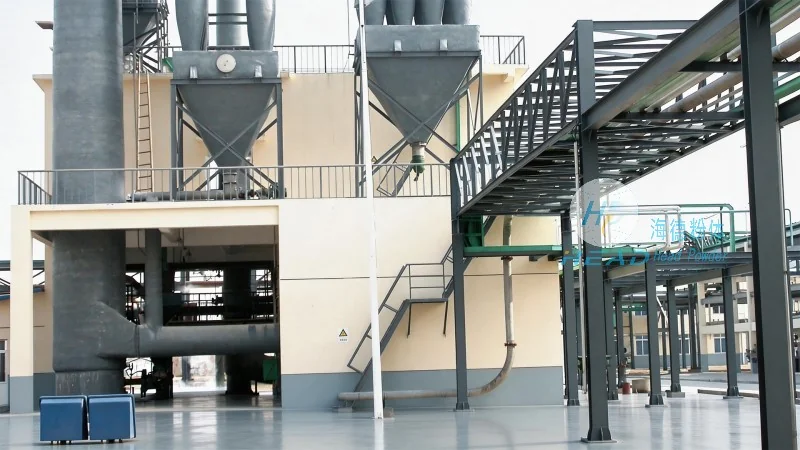
Role of the Equipment in Desulfurization Processes
In the context of flue gas desulfurization (FGD) systems, dry desulfurizer material conveying equipment is integral to the overall process. The equipment ensures that the desulfurization agent—such as limestone or lime—is delivered to the reaction chamber at the correct rate and consistency, which directly impacts the efficiency of sulfur dioxide removal. By maintaining a consistent flow of dry powder, the system helps to optimize the chemical reaction between the desulfurizer and the flue gas, leading to higher removal rates (often exceeding 95%) and reduced emissions. Furthermore, the equipment’s ability to handle large volumes of material in a compact footprint makes it suitable for both new and retrofit applications in power plants and industrial facilities, where space constraints and operational efficiency are critical. The reliability of the conveying system also contributes to the overall stability of the FGD process, minimizing downtime and ensuring continuous operation.
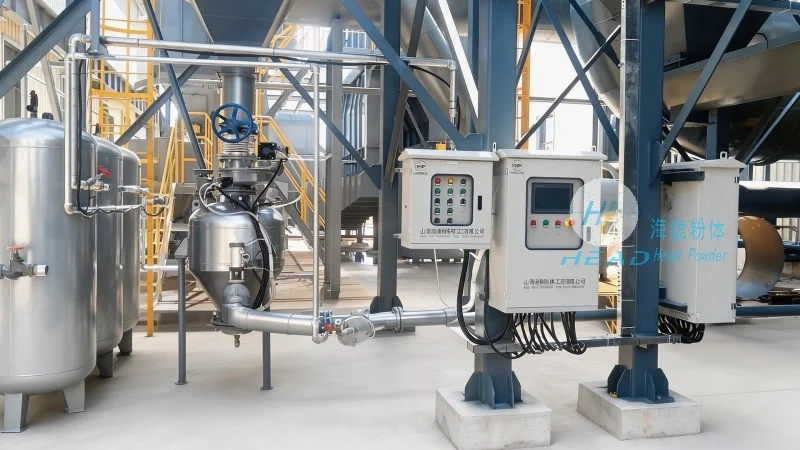
About HeadPowder: A Leading Provider of Pneumatic Conveying Solutions
HeadPowder, a division of Shandong HeadPowder Engineering Co., Ltd., is a renowned manufacturer specializing in pneumatic conveying equipment for industrial applications. With operations based in Shandong, China, HeadPowder has established itself as a trusted partner for companies seeking reliable and efficient material handling solutions. The company’s expertise lies in designing and manufacturing equipment tailored to the unique requirements of various industries, including power generation, chemical processing, and environmental technology. HeadPowder’s commitment to quality, innovation, and customer satisfaction has earned it a strong reputation in the market, with a focus on delivering solutions that meet the highest standards of performance and safety. The company’s products are engineered to withstand the harsh conditions of industrial environments, with features like corrosion-resistant materials, durable components, and advanced control systems to ensure long-term reliability. HeadPowder also provides comprehensive support services, including installation, commissioning, and maintenance, to ensure that clients can maximize the performance of their equipment and achieve their operational goals.