

What is a Continuous Material Loading Pneumatic Conveying Line? What Are Its Design Principles?
For industrial operations that require efficient and reliable material handling, continuous material loading pneumatic conveying lines represent a sophisticated solution. These systems are engineered to transport bulk materials from one location to another using air as the primary medium, offering advantages such as reduced labor costs, improved safety, and enhanced process control. In this article, we delve into the core concepts of these systems, exploring their design principles and practical applications in various industries.
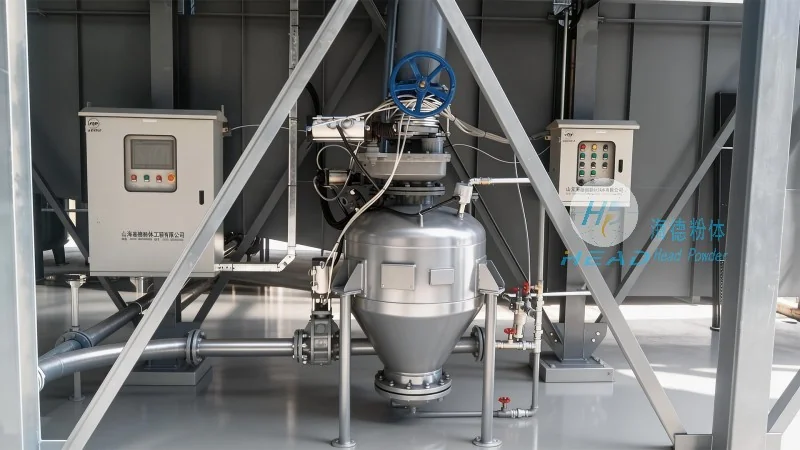
Introduction to Continuous Material Loading Pneumatic Conveying Lines
At the heart of many material handling processes lies the pneumatic conveying system, which utilizes compressed air to move powders, granules, and other particulate materials. A continuous material loading line specifically focuses on the seamless and uninterrupted transfer of materials, often from a storage silo or hopper to processing equipment. The key to this efficiency lies in the system's ability to maintain a consistent flow rate, ensuring that material is delivered continuously without interruptions. This approach is particularly beneficial for high-volume operations where downtime can significantly impact productivity.
Key Components of a Continuous Material Loading Pneumatic Conveying Line
Several critical components work in tandem to ensure the smooth operation of a continuous material loading pneumatic conveying line. These include the material source (such as a silo or hopper), the air supply system (typically a blower or compressor), the conveying line itself (which may be a rigid pipe or flexible hose), and the receiving equipment (like a mixer or reactor). Each component plays a vital role in maintaining the system's performance and reliability. For instance, the air supply system must generate sufficient pressure to overcome friction losses and elevation changes in the conveying line, while the material source must be equipped with a feeder to control the flow rate accurately. The conveying line's design, including its diameter and material, is also crucial as it directly impacts the system's capacity and efficiency.
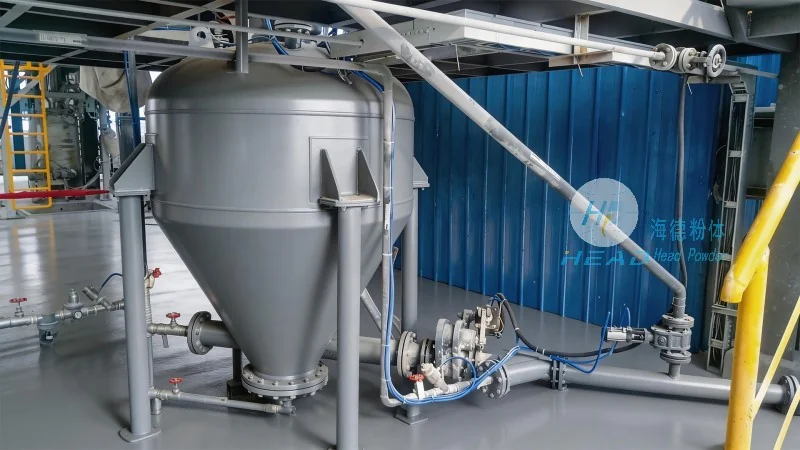
Design Principles for Optimal Performance
The design of a continuous material loading pneumatic conveying line is guided by several fundamental principles aimed at maximizing efficiency and minimizing operational issues. One of the primary considerations is the selection of the appropriate air velocity, which must be high enough to prevent material settling but low enough to avoid excessive wear on the conveying line and equipment. The air velocity is typically determined based on the material's properties, such as its density, particle size, and flowability. Another critical design principle is the system's pressure drop, which is the difference in pressure between the inlet and outlet of the conveying line. Proper design minimizes pressure drop to reduce energy consumption and ensure consistent material flow. Additionally, the system's layout, including the length and elevation changes of the conveying line, must be carefully planned to avoid bottlenecks or areas of low pressure that could lead to material blockages or uneven flow.
Applications and Benefits in Industrial Settings
Continuous material loading pneumatic conveying lines are widely used across various industries, including pharmaceuticals, food processing, chemicals, and minerals. In the pharmaceutical industry, for example, these systems are employed to transport active ingredients and excipients with high precision, ensuring that the final product meets stringent quality standards. The food processing industry benefits from the hygienic design of these systems, which prevents contamination and maintains product integrity. In the chemical industry, the ability to handle abrasive or corrosive materials safely makes these systems ideal for transporting raw materials to reactors. The key benefits of continuous material loading pneumatic conveying lines include improved process efficiency, reduced labor costs, enhanced safety (as material is handled without manual handling), and the ability to handle a wide range of materials with minimal maintenance.
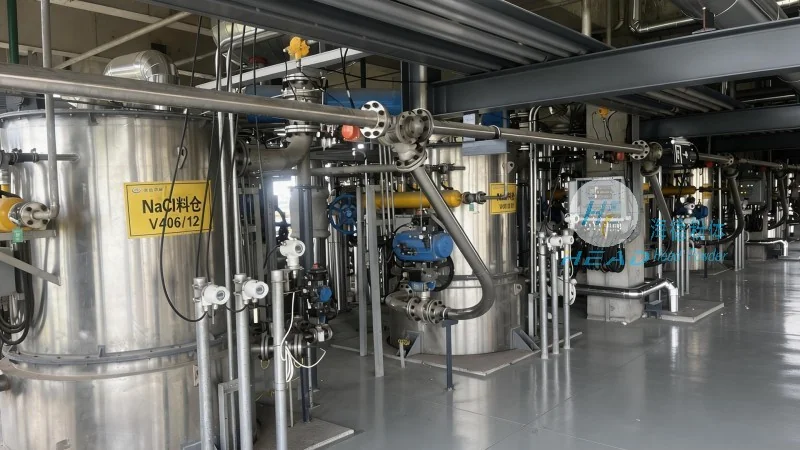
Role of Shandong HeadPowder Engineering Co., Ltd. in Design and Implementation
Shandong HeadPowder Engineering Co., Ltd., a leading provider of material handling solutions, specializes in the design, manufacturing, and installation of continuous material loading pneumatic conveying lines. With years of experience in the industry, the company has developed a deep understanding of the unique challenges faced by different sectors and has tailored solutions to meet specific operational requirements. The company's approach involves a comprehensive consultation process, where engineers work closely with clients to assess their material handling needs, evaluate existing infrastructure, and recommend the most suitable system configuration. This collaborative process ensures that the final solution is not only efficient but also cost-effective and easy to maintain. HeadPowder's expertise extends to the integration of advanced technologies, such as variable frequency drives (VFDs) for energy optimization and sensors for real-time monitoring of material flow, further enhancing the system's performance and reliability.
Conclusion: The Future of Material Handling with Continuous Loading Systems
As industries continue to demand higher efficiency and reliability in material handling processes, continuous material loading pneumatic conveying lines remain a cornerstone of modern operations. The design principles and components discussed in this article highlight the sophistication of these systems and their ability to deliver consistent performance. With the support of experienced companies like Shandong HeadPowder Engineering Co., Ltd., businesses can leverage these technologies to enhance their operational capabilities and stay competitive in their respective markets. By prioritizing design excellence and customer collaboration, the industry can continue to advance the use of continuous material loading pneumatic conveying lines, ensuring that material handling remains safe, efficient, and sustainable for years to come.