

What is a Pneumatic Conveying System for Wet Sodium Nitrate Material? What Are Its Design Principles
For industries dealing with wet sodium nitrate, efficient material handling is crucial. Pneumatic conveying systems offer a reliable solution, especially when dealing with challenging materials like wet sodium nitrate. This article explores the design principles behind such systems, highlighting how they ensure safe and effective transport of this chemical.
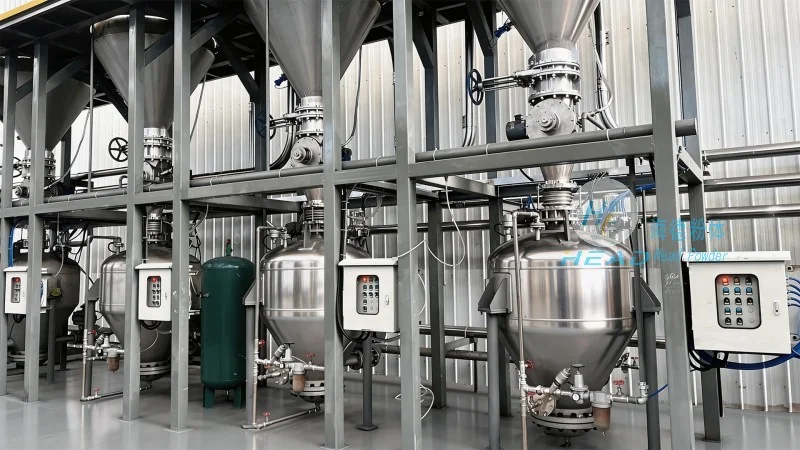
Understanding the Need for Pneumatic Conveying in Wet Sodium Nitrate Handling
Wet sodium nitrate, a common chemical used in fertilizers and industrial processes, presents unique challenges during material handling. Its moisture content and granular nature can lead to caking or blockages in traditional conveyor systems. Pneumatic conveying systems address these issues by using air to transport the material through a sealed pipeline, minimizing contamination and ensuring consistent flow. This method is particularly advantageous for applications requiring hygienic and dust-free handling, which is essential in food and pharmaceutical industries where sodium nitrate may be used as a preservative or in chemical manufacturing.
The Core Components and Design Principles of Wet Sodium Nitrate Pneumatic Conveying Systems
A pneumatic conveying system for wet sodium nitrate typically consists of several key components, each designed to optimize performance and safety. The primary elements include a material hopper, an air supply system (usually a blower or compressor), a conveying line (often made of stainless steel to resist corrosion from the chemical), a dust separator or cyclone, and a discharge outlet. The design principles focus on maintaining appropriate air velocity to prevent material settling or blockage, ensuring the system operates within safe pressure limits, and incorporating features that facilitate easy cleaning and maintenance.
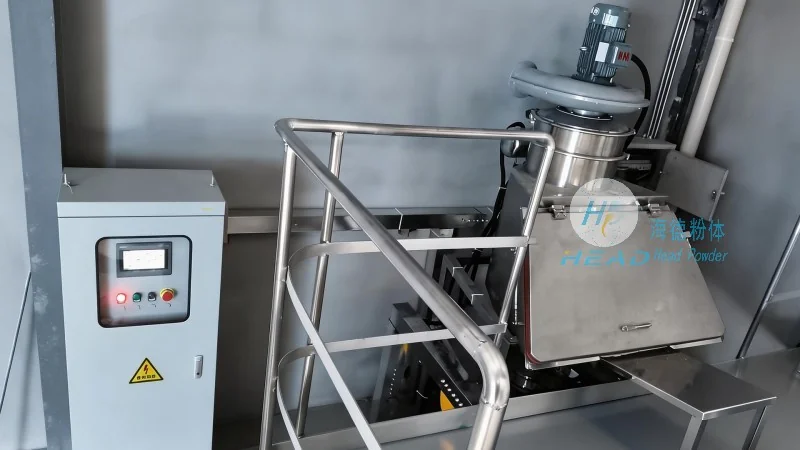
One critical design principle is the selection of the right air velocity. For wet sodium nitrate, the air velocity must be high enough to keep the material suspended but not so high as to cause excessive wear on the equipment or generate too much dust. Engineers often use the "critical velocity" concept, which is the minimum air speed required to keep particles in suspension. For sodium nitrate, this velocity typically ranges between 20 to 30 meters per second, depending on particle size and moisture content. The conveying line diameter is also carefully calculated to balance pressure drop and material flow, with larger diameters reducing friction losses but increasing system cost and footprint.
Corrosion resistance is another key consideration due to the chemical nature of sodium nitrate. The conveying line and associated components are usually constructed from stainless steel or other corrosion-resistant materials. This not only prolongs the system's lifespan but also ensures that the material remains uncontaminated, which is vital for applications where purity is non-negotiable. The system may also include a moisture separator or filter to remove any fine particles from the air before it is released, preventing environmental contamination and protecting downstream equipment.
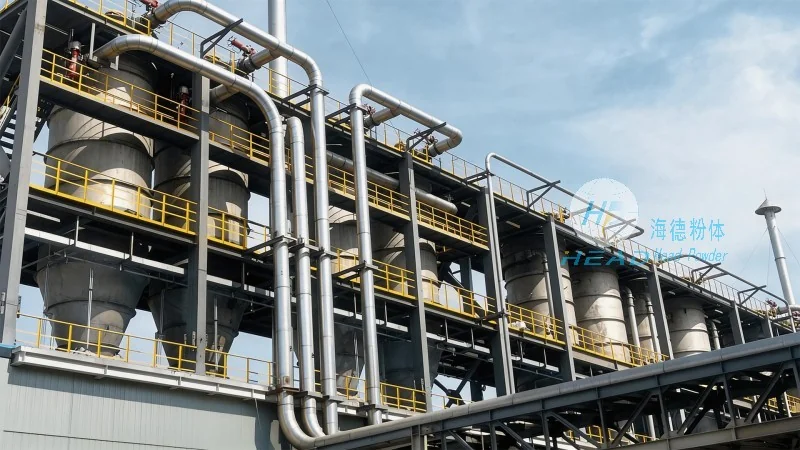
How Shandong HeadPowder Engineering Co., Ltd. Designs and Manufactures These Systems
Shandong HeadPowder Engineering Co., Ltd., a leading provider of material handling solutions, specializes in designing and manufacturing pneumatic conveying systems tailored to the specific needs of wet sodium nitrate applications. With years of experience in the industry, the company understands the unique challenges posed by this material and develops systems that meet both operational efficiency and safety standards. The company's approach involves thorough material analysis, where engineers assess the moisture content, particle size distribution, and flow characteristics of the sodium nitrate to determine the optimal system configuration.
HeadPowder's design process begins with a comprehensive evaluation of the client's requirements, including the desired conveying capacity, distance, and environmental conditions. Based on this analysis, the company selects the appropriate blower type (positive displacement or centrifugal) and calculates the necessary air volume and pressure. The system's layout is then optimized to minimize pressure losses and ensure smooth material flow, with considerations for the location of the hopper, discharge point, and any intermediate points where the material might need to be diverted or mixed.
The manufacturing process at HeadPowder adheres to strict quality control standards. All components are fabricated from high-quality materials, and the system is rigorously tested before delivery to ensure it meets performance specifications. The company also provides after-sales support, including maintenance services and spare parts availability, to ensure the system operates at peak efficiency throughout its lifecycle. This commitment to quality and customer service has made HeadPowder a trusted partner for many industries relying on reliable wet sodium nitrate handling solutions.
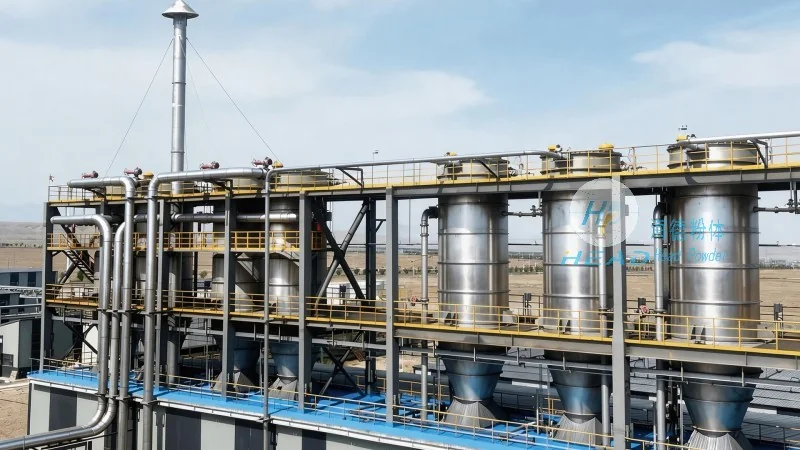
Applications and Benefits of Wet Sodium Nitrate Pneumatic Conveying Systems
Pneumatic conveying systems for wet sodium nitrate are widely used in various industries, including chemical manufacturing, fertilizer production, and food processing. In chemical plants, these systems facilitate the transport of sodium nitrate from storage silos to processing units, ensuring a continuous and controlled supply of raw material. In fertilizer production, the system helps in blending sodium nitrate with other nutrients, maintaining the desired moisture and granule size for the final product. The benefits of using such systems extend beyond efficiency; they also contribute to workplace safety by eliminating manual handling of wet materials, reducing the risk of slips, trips, and falls, and minimizing exposure to dust and chemicals.
Another significant advantage is the ability to handle the material in a closed system, which prevents dust emissions and protects the environment. This is particularly important for sodium nitrate, which can be a respiratory irritant if inhaled in large quantities. The sealed pipeline design also helps maintain the material's quality by preventing contamination from external sources, such as moisture or other chemicals. Additionally, the system's flexibility allows for easy integration with existing production lines, reducing downtime and increasing overall productivity.