Efficient material handling is a critical aspect of cotton seed processing operations, and pneumatic conveying systems have emerged as a reliable solution for transporting cotton seed materials with precision and minimal loss. This article delves into the operation process and working principle of pneumatic conveying for cotton seed materials, highlighting the technical advancements and practical applications that make it an ideal choice for modern agricultural processing facilities.
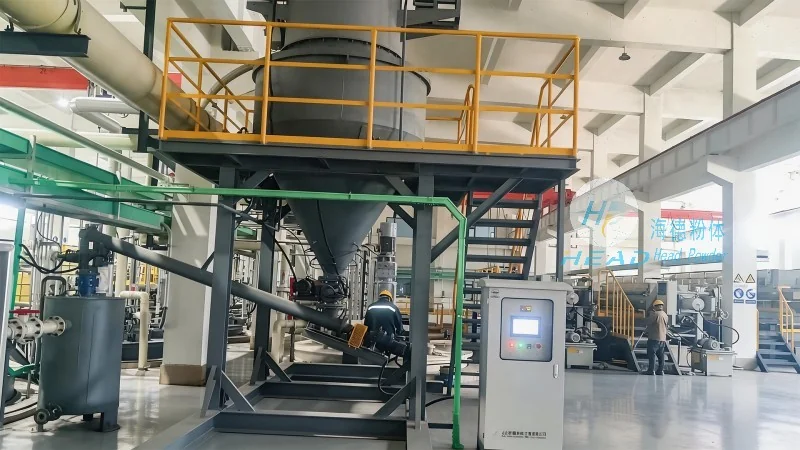
Overview of Pneumatic Conveying Systems for Cotton Seed Materials
Pneumatic conveying, also known as air conveying, is a method of transporting bulk materials like cotton seeds through a pipeline using a stream of air. This technology offers several advantages over traditional mechanical conveying systems, including reduced equipment wear, lower maintenance costs, and the ability to handle materials with high moisture content or delicate characteristics. For cotton seed processing, where maintaining seed integrity and preventing contamination is paramount, pneumatic conveying systems provide a hygienic and efficient solution.
The Operation Process of Cotton Seed Pneumatic Conveying
The operation process of pneumatic conveying for cotton seed materials involves several key steps that ensure smooth and continuous material transport. The process typically begins with the material being loaded into a hopper or storage silo. From there, the cotton seeds are fed into the conveying line through a rotary valve or feeder, which controls the flow rate and prevents backflow. The material then travels through the pipeline under the pressure of a blower or air compressor, which generates the necessary air flow to move the seeds. The conveying system may include multiple sections, such as vertical or horizontal pipelines, and may incorporate features like cyclones or separators to separate the material from the air stream at the destination point. The entire process is automated, with sensors and controls monitoring the flow rate, pressure, and other parameters to ensure optimal performance.
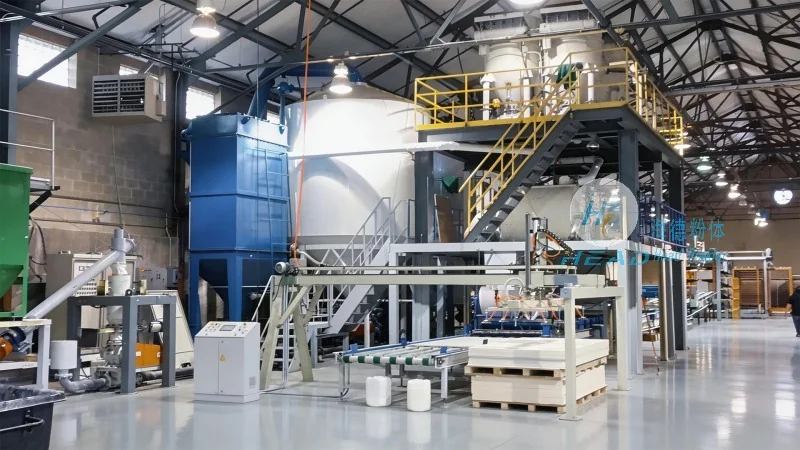
Working Principle of Pneumatic Conveying for Cotton Seed Materials
The working principle of pneumatic conveying for cotton seed materials is based on the fundamental physics of fluid dynamics and particle motion. The system operates by creating a high-velocity air stream within the pipeline, which entrains the cotton seeds and transports them to the desired location. The air flow is generated by a positive displacement blower or a centrifugal fan, which provides the necessary pressure and volume to move the material. The velocity of the air stream must be sufficient to overcome the gravitational force acting on the cotton seeds and any frictional losses within the pipeline. The conveying efficiency is influenced by factors such as the particle size, density, and moisture content of the cotton seeds, as well as the pipeline diameter and length. Advanced pneumatic conveying systems may incorporate features like pulse-jet or venturi systems to enhance the conveying performance and reduce the risk of material blockages.
Key Components and Their Roles in Cotton Seed Pneumatic Conveying
Several key components work together to ensure the effective operation of a pneumatic conveying system for cotton seed materials. The primary components include the material hopper or storage silo, which stores the cotton seeds and provides a consistent feed to the system. The feeder, typically a rotary valve or screw feeder, regulates the flow of cotton seeds into the conveying line, ensuring a steady and controlled supply. The blower or air compressor generates the air flow required to move the material through the pipeline. The pipeline itself, made of durable materials like stainless steel or plastic, transports the cotton seeds and air mixture. At the destination point, a cyclone or separator separates the cotton seeds from the air stream, allowing the seeds to be discharged into a collection bin or processing unit. The air is then filtered and recycled back into the system to minimize energy consumption and environmental impact.
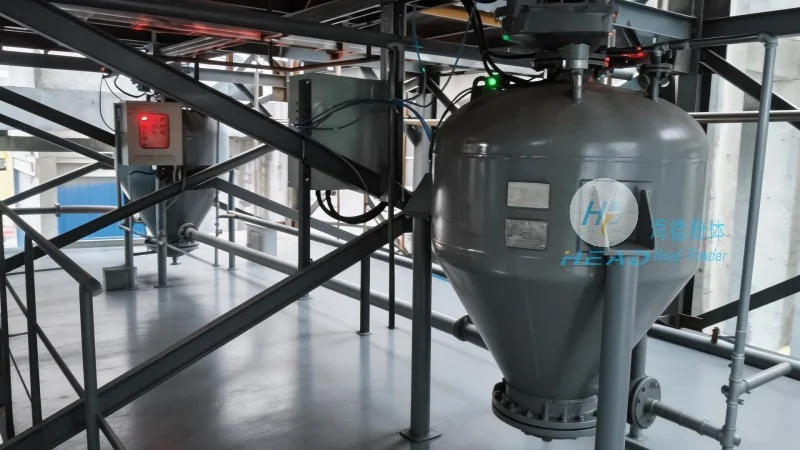
Benefits of Using Pneumatic Conveying for Cotton Seed Materials
Implementing pneumatic conveying systems for cotton seed materials offers numerous benefits that enhance operational efficiency and product quality. One of the primary advantages is the ability to maintain the integrity of the cotton seeds, as the system minimizes physical contact and reduces the risk of damage or breakage. This is particularly important for high-value cotton seeds used in seed oil extraction or breeding programs. Additionally, pneumatic conveying systems are hygienic and easy to clean, making them suitable for food processing applications where sanitation is critical. The automated nature of the system reduces labor costs and improves safety by minimizing human exposure to the material. Furthermore, the system can be easily integrated with other processing equipment, such as cleaning or sorting machines, to create a seamless material handling workflow. The energy efficiency of modern pneumatic conveying systems also contributes to lower operational costs and reduced environmental impact.
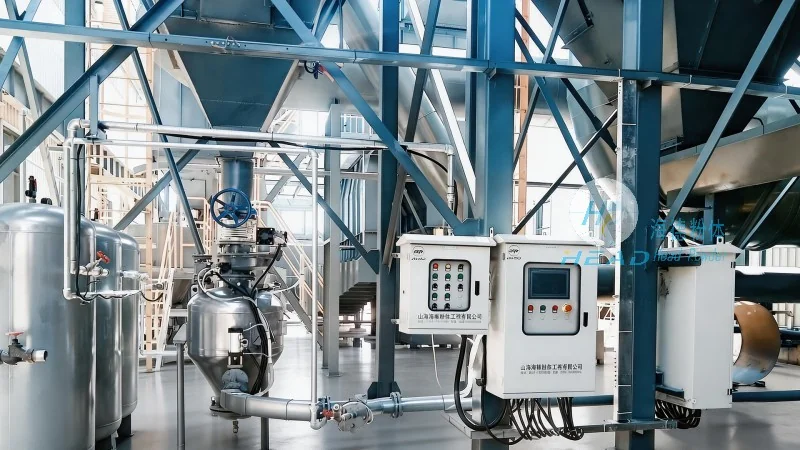
Application Examples and Case Studies
Pneumatic conveying systems for cotton seed materials are widely used in various industrial applications, including seed processing plants, agricultural cooperatives, and research facilities. For example, a cotton seed processing plant in China uses a pneumatic conveying system to transport cotton seeds from the storage silo to the oil extraction unit. The system has significantly reduced the time and labor required for material handling, while maintaining the quality of the seeds. Another application is in a research facility where pneumatic conveying is used to transport cotton seeds for genetic testing and breeding programs. The system allows for precise and controlled movement of the seeds, ensuring that the genetic material is not damaged during transport. These examples demonstrate the versatility and effectiveness of pneumatic conveying systems in handling cotton seed materials across different industries and applications.
Conclusion and Future Developments
Pneumatic conveying systems have proven to be an effective and efficient solution for transporting cotton seed materials, offering numerous benefits over traditional mechanical conveying methods. The operation process and working principle of these systems are well-established, with continuous advancements in technology aimed at improving performance and reducing costs. As the demand for high-quality cotton seeds increases, the importance of reliable material handling systems will continue to grow. Companies like Shandong HeadPowder Engineering Co., Ltd., based in China, are at the forefront of developing advanced pneumatic conveying solutions tailored to the specific needs of cotton seed processing industries. By leveraging their expertise in engineering and material handling, these companies are helping to enhance the efficiency and productivity of cotton seed processing operations worldwide.




