Shandong HeadPowder Engineering Co., Ltd., commonly known as headpowder, is a professional manufacturer specializing in the design, production, and installation of pneumatic conveying systems. The company is headquartered in Shandong, China, and has been committed to providing high-quality solutions for material handling in various industries.
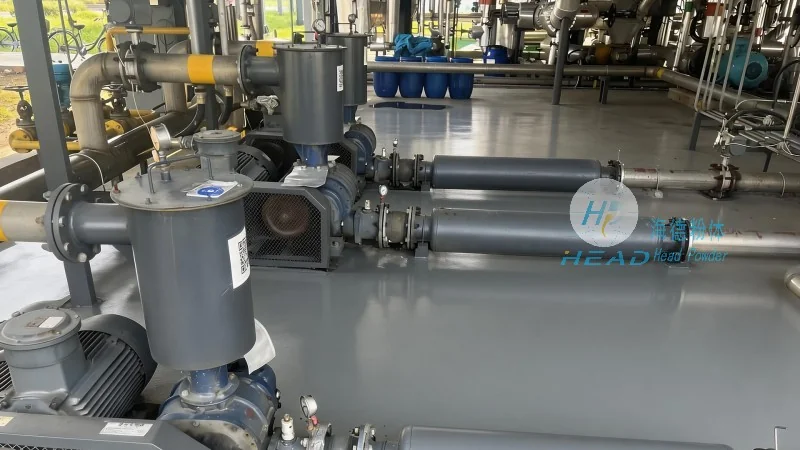
Pneumatic Conveying System Overview
A pneumatic conveying system is a method of transporting bulk materials through a pipeline using air or other gases as the conveying medium. This technology is widely used in industries such as chemical, food, pharmaceutical, and mining, where the handling of powders and granules is essential. The system typically consists of a material feed hopper, a conveying line, a dust collector, and a discharge outlet. The operation relies on the pressure difference created by the air flow to move the material from the source to the destination.
Working Principle of Diatomite Material Pneumatic Conveying
The working principle of diatomite material pneumatic conveying involves several key steps. First, the diatomite is stored in a hopper and fed into the conveying line via a rotary valve or a feeder. The air is then introduced into the system, creating a high-velocity airflow that lifts the diatomite particles and carries them through the pipeline. The air and material mixture travels to the receiving hopper or the processing equipment. The system may use either positive pressure (pressure conveying) or negative pressure (vacuum conveying) to achieve the material transport. The pressure difference ensures that the diatomite particles are entrained by the air stream and transported efficiently.
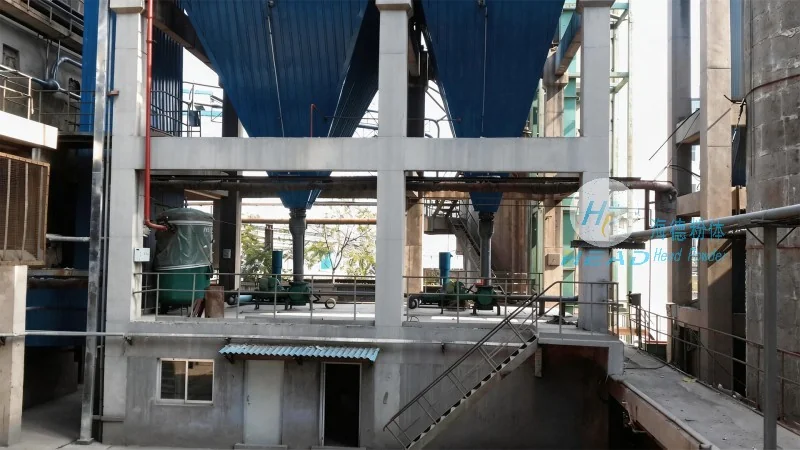
Operation Process of Diatomite Material Pneumatic Conveying
The operation process of diatomite material pneumatic conveying begins with the preparation of the material. The diatomite is loaded into the storage hopper, and the system is checked for proper operation, including air pressure, valve settings, and filter conditions. Once the system is ready, the material is fed into the conveying line at a controlled rate. The air flow is adjusted to maintain the appropriate velocity for the diatomite particles, ensuring that they are fully entrained and transported without clogging or degradation. The conveying line is designed with appropriate bends and fittings to minimize pressure loss and maintain flow stability. At the receiving end, the diatomite is discharged into the target container or processing equipment. The system may include a dust collection system to capture any fine particles that are not fully conveyed, ensuring environmental compliance and product quality.
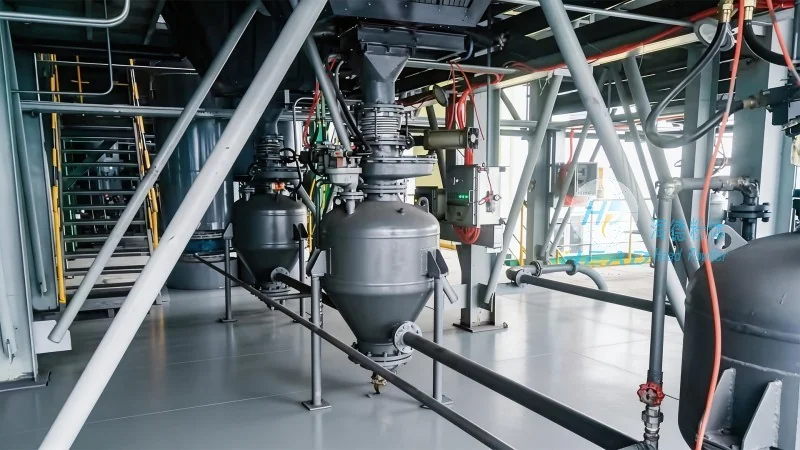
Key Components and Their Functions
The pneumatic conveying system for diatomite material handling includes several critical components, each playing a vital role in the overall operation. The material feed hopper is responsible for storing the diatomite and providing a consistent feed rate to the system. The feeder, often a rotary valve or a screw feeder, controls the amount of material entering the conveying line. The conveying line, made of stainless steel or other corrosion-resistant materials, transports the diatomite and air mixture. The air compressor or vacuum pump generates the necessary air pressure or vacuum to drive the material. The dust collector, equipped with filters and a blower, captures any fine diatomite particles that escape the conveying line, preventing air pollution and maintaining product purity. The discharge outlet or receiving hopper collects the conveyed diatomite, ready for further processing or storage.
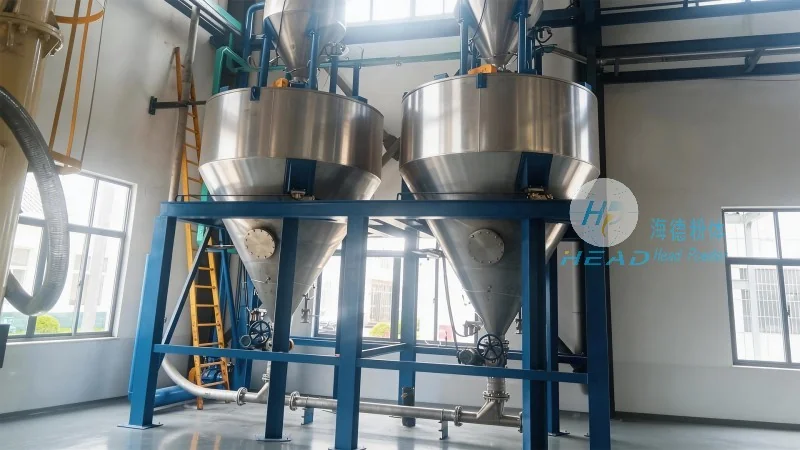
Advantages of Diatomite Material Pneumatic Conveying
Using a pneumatic conveying system for diatomite material handling offers several advantages over traditional methods like belt conveyors or bucket elevators. One of the primary benefits is the ability to transport the material in a closed system, which reduces dust emissions and improves workplace safety. The system also allows for flexible routing, as the conveying line can be easily reconfigured to accommodate changes in the production layout. Additionally, pneumatic conveying can handle materials with varying particle sizes and moisture content, making it suitable for diatomite, which is often a fine powder. The system is also relatively compact, requiring less floor space compared to other bulk material handling solutions. Furthermore, the operation can be automated, with sensors and controls monitoring the flow rate and pressure, ensuring consistent performance and reducing the need for manual intervention.
Considerations for System Design and Maintenance
When designing a pneumatic conveying system for diatomite material, several factors must be considered to ensure optimal performance and longevity. The system must be designed to handle the specific properties of diatomite, such as its particle size distribution, density, and flowability. The air velocity must be carefully calculated to ensure that the diatomite particles are fully entrained without causing excessive pressure drop or wear on the conveying line. The material feed rate and air flow rate must be balanced to maintain a stable flow and prevent clogging. Regular maintenance is essential to keep the system operating efficiently. This includes cleaning the filters, checking the air compressor or vacuum pump for proper operation, and inspecting the conveying line for any signs of wear or damage. Proper maintenance can extend the life of the system and reduce downtime, ensuring consistent and reliable diatomite material transport.




