HeadPowder, a leading engineering firm based in Shandong, China, specializes in the design and implementation of pneumatic conveying systems for various industrial materials, including ferric sulfate. This article provides a detailed overview of the operational process and underlying principles of pneumatic conveying for ferric sulfate, highlighting the key components, flow mechanisms, and practical considerations for efficient material handling.
Understanding Pneumatic Conveying Systems
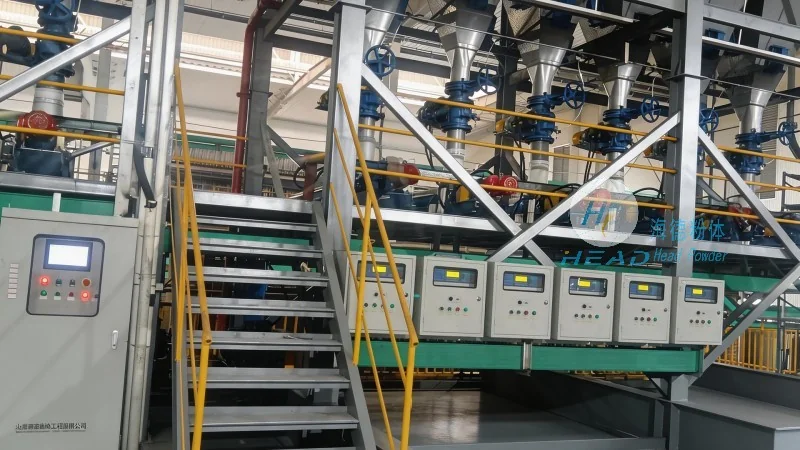
Pneumatic conveying is a method of transporting bulk materials through a pipeline using a stream of pressurized air or gas. In the context of ferric sulfate, which is commonly used in water treatment and chemical processes, this technology offers a reliable and efficient means of moving the material from storage to processing units without the need for mechanical components like belts or buckets. The system typically consists of a hopper, a conveyor line, and a receiver, all connected by a network of pipes. The operation relies on the creation of a pressure differential that propels the material through the system.
Key Components of a Ferric Sulfate Pneumatic Conveying System
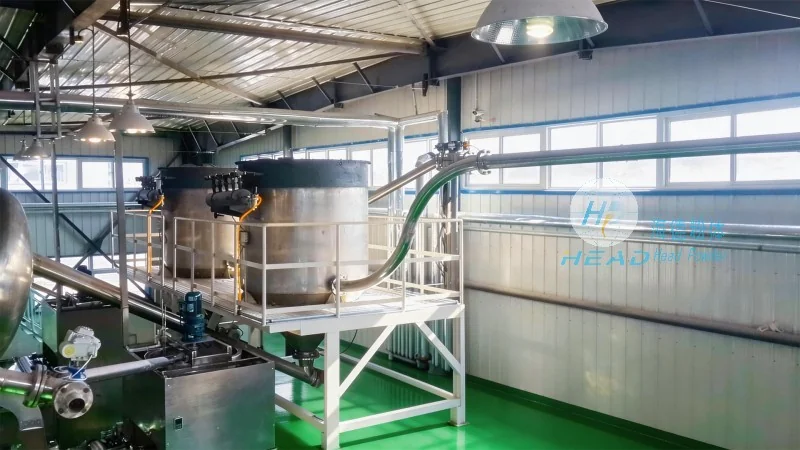
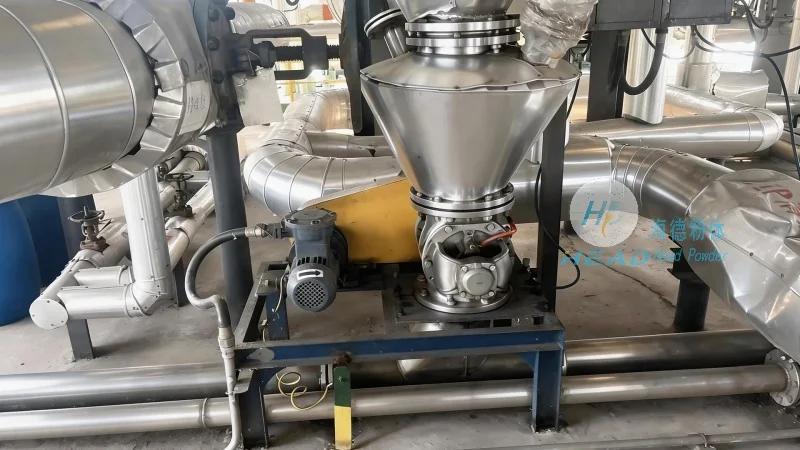
The successful operation of a pneumatic conveying system for ferric sulfate depends on several critical components. The hopper, where the material is initially stored, is designed to feed the material into the conveyor line. It often includes a feeder, such as a rotary valve or a screw feeder, to control the flow rate and prevent blockages. The conveyor line itself is made of durable materials, such as stainless steel or plastic, to withstand the corrosive nature of ferric sulfate and the friction from the material. The receiver, located at the end of the line, collects the material and may include a discharge valve to regulate the outflow. Additionally, the system may incorporate a filter or cyclone to separate any fine particles from the air stream, ensuring that the material is delivered in a clean and consistent manner.
The Working Principle of Pneumatic Conveying
The core principle of pneumatic conveying is the generation of a pressure differential between the inlet and outlet of the conveyor line. When air is introduced into the system, it creates a low-pressure zone at the inlet and a high-pressure zone at the outlet. This pressure difference causes the ferric sulfate particles to be entrained by the air stream and carried through the pipeline. The velocity of the air is a critical factor; it must be sufficient to lift and transport the material without causing excessive wear on the system components. The flow rate and pressure can be adjusted based on the characteristics of the material, such as its density, particle size, and moisture content, to optimize the conveying efficiency.
Operational Process of Ferric Sulfate Pneumatic Conveying
The operational process of a ferric sulfate pneumatic conveying system involves several sequential steps. First, the material is loaded into the hopper from a storage silo or truck. The feeder then regulates the flow of ferric sulfate into the conveyor line, ensuring a consistent feed rate. As the air is introduced into the system, it creates a suction effect that draws the material particles into the pipeline. The material is then carried through the conveyor line to the receiver, where it is deposited. The air stream, now containing any fine particles, passes through a filter or cyclone, where the particles are separated and returned to the system or disposed of as waste. The filtered air is then released back into the environment or recirculated if necessary. This process is typically automated, with sensors and control systems monitoring the flow rate, pressure, and material level to maintain optimal operation.
Advantages of Pneumatic Conveying for Ferric Sulfate
Implementing pneumatic conveying for ferric sulfate offers several advantages over traditional mechanical conveying methods. One of the primary benefits is the ability to handle the material in a closed system, which minimizes dust emissions and improves safety in the workplace. This is particularly important for ferric sulfate, as it can be a respiratory irritant and cause environmental contamination if not properly contained. Additionally, pneumatic conveying allows for the transportation of material over long distances without the need for intermediate transfer points, reducing the risk of material loss or contamination. The system is also flexible, as it can be easily scaled to accommodate changes in production volume or material characteristics. Furthermore, the lack of moving parts in the conveyor line reduces maintenance requirements and extends the lifespan of the equipment.
Considerations for Design and Implementation
When designing a pneumatic conveying system for ferric sulfate, several factors must be considered to ensure optimal performance and longevity. The first consideration is the material characteristics, including its density, particle size distribution, and moisture content. These factors affect the required air velocity and pressure to achieve efficient conveying. The system must also be designed to handle the corrosive nature of ferric sulfate, which can degrade metal components over time. Therefore, materials such as stainless steel or corrosion-resistant alloys are often used for the conveyor line and components. The system layout, including the length and diameter of the pipeline, as well as the number of bends and fittings, also impacts the conveying efficiency. Proper sizing of the components, such as the feeder and receiver, is crucial to prevent blockages and ensure smooth operation. Finally, the system should be equipped with monitoring and control devices to detect and address any issues, such as pressure drops or material buildup, in a timely manner.
Conclusion
HeadPowder, with its expertise in engineering and material handling, provides comprehensive solutions for pneumatic conveying systems in the processing of ferric sulfate. By understanding the operational process and working principles of these systems, industries can achieve efficient, safe, and cost-effective material transportation. The advantages of pneumatic conveying, including dust control, flexibility, and reduced maintenance, make it an ideal choice for handling ferric sulfate in various applications. As a company based in Shandong, China, HeadPowder continues to innovate and adapt its systems to meet the evolving needs of the chemical and water treatment industries, ensuring reliable and sustainable material handling solutions for its clients.




