HeadPowder, a leading provider in the field of material handling solutions, specializes in the efficient and reliable transportation of molybdenum oxide materials through pneumatic conveying systems. This article delves into the operational process and underlying principles that ensure optimal performance in such systems, highlighting the technical aspects and practical applications relevant to industrial settings.
Company Profile and Expertise
Shandong HeadPowder Engineering Co., Ltd., commonly known as HeadPowder, is headquartered in Shandong, China. With a strong focus on innovation and precision engineering, the company has established itself as a trusted partner for businesses requiring advanced material handling technologies. HeadPowder's expertise lies in designing, manufacturing, and implementing customized pneumatic conveying solutions tailored to the unique characteristics of various industrial materials, including molybdenum oxide. The company's commitment to quality and customer satisfaction has enabled it to serve a diverse range of industries, from chemical processing to metal production.
Understanding Pneumatic Conveying Systems
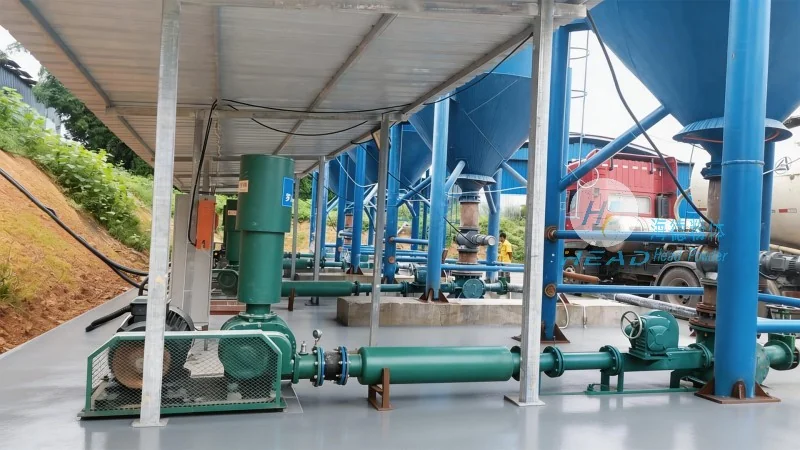
Pneumatic conveying is a method of transporting bulk materials using a stream of pressurized air or gas. This technology offers several advantages over traditional mechanical conveying systems, such as reduced equipment wear, lower maintenance costs, and the ability to handle materials that are difficult to transport by other means. For molybdenum oxide, a fine powder with specific handling requirements, pneumatic conveying provides a safe and efficient solution. The system typically consists of a hopper for material storage, a conveying line, a fan or blower to generate the air flow, and a receiver for the material's deposition. The design of the system is critical to ensure consistent performance and minimal product degradation.
The Operational Process of Molybdenum Oxide Pneumatic Conveying
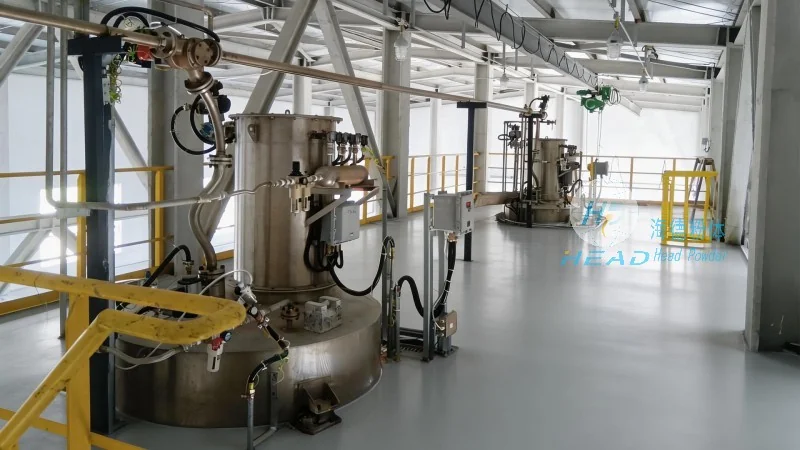
The operation of a molybdenum oxide pneumatic conveying system involves several key steps that work in tandem to achieve seamless material transport. Initially, the molybdenum oxide is fed into the hopper from a storage silo or batch container. A feeder mechanism, often a rotary valve or a screw feeder, controls the flow rate of the material into the conveying line. Simultaneously, the fan or blower generates a high-velocity air stream that pulls the material particles into the line. As the material travels through the conveying pipe, it is suspended and carried by the air flow. The system may include intermediate pulse jets or cyclones to separate any larger particles or to maintain consistent flow rates. The conveying line is designed with appropriate bends and straight sections to minimize pressure losses and ensure smooth material movement. Upon reaching the destination, the material is deposited into a receiver or storage vessel, where the air is then filtered and discharged safely.
Working Principle of the Conveying System
The core working principle of a pneumatic conveying system for molybdenum oxide is based on the interaction between the material particles and the air flow. The system operates under either positive pressure (pressure conveying) or negative pressure (vacuum conveying), depending on the application and material characteristics. In positive pressure systems, the fan forces air into the conveying line, pushing the material forward. This method is suitable for long-distance or high-volume transport. In negative pressure systems, the fan creates a vacuum that draws the material into the line, which is often used for short-distance or dusty environments. The velocity of the air flow is a critical parameter; it must be sufficient to suspend the material particles without causing excessive wear or degradation. The system's design, including the size of the conveying line, the type of feeder, and the fan capacity, is optimized to achieve the desired flow rate and pressure levels. Additionally, the use of appropriate air filtration and dust collection systems is essential to maintain air quality and comply with environmental regulations.
Key Considerations for Optimal Performance
Several factors contribute to the optimal performance of a molybdenum oxide pneumatic conveying system. First, the particle size and density of the material are crucial. Molybdenum oxide is typically a fine powder with a specific density, which affects the air velocity required for suspension. The system must be designed to handle these characteristics without causing blockages or excessive pressure drops. Second, the material's flow properties, such as its angle of repose and cohesive behavior, influence the feeder selection and hopper design. Proper hopper geometry and the use of flow aids, like vibrators or air knives, can prevent material bridging and ensure consistent feeding. Third, the system's pressure and flow rate must be monitored and controlled to maintain stable operation. HeadPowder employs advanced control systems that allow for real-time adjustments, ensuring that the conveying process remains efficient and reliable. Finally, regular maintenance and inspection of the system components, including the fan, conveying line, and filters, are essential to prevent downtime and extend the system's lifespan.
Applications and Benefits in Industrial Settings
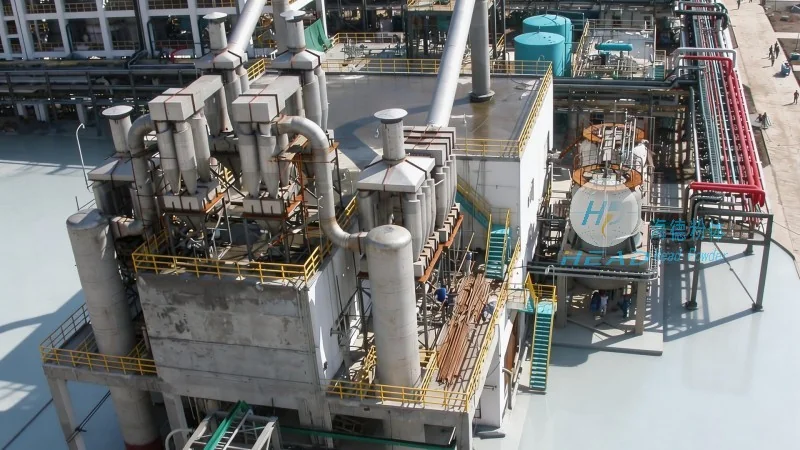
Molybdenum oxide, a key component in various industrial applications, is often transported using pneumatic conveying systems due to its fine particle size and potential for dust generation. The benefits of this technology extend beyond efficient transport, as it also contributes to improved workplace safety and environmental compliance. By eliminating the need for manual handling of powders, the system reduces the risk of dust exposure and related health hazards. Additionally, the enclosed nature of the conveying line prevents material loss and contamination, ensuring product purity. The flexibility of pneumatic conveying systems allows them to be integrated into existing production lines, minimizing disruptions during installation and operation. HeadPowder's customized solutions for molybdenum oxide handling have been successfully implemented in numerous industrial settings, demonstrating the effectiveness of this technology in enhancing operational efficiency and product quality.
Conclusion
In conclusion, the operation process and working principle of pneumatic conveying for molybdenum oxide materials are intricate yet well-defined, requiring careful consideration of material properties, system design, and operational parameters. HeadPowder, with its expertise and commitment to quality, provides comprehensive solutions that address the unique challenges of handling molybdenum oxide. By leveraging advanced engineering and tailored designs, the company ensures that pneumatic conveying systems operate efficiently, reliably, and safely, contributing to the overall productivity and success of industrial operations. For businesses seeking to optimize their material handling processes, HeadPowder offers a reliable partner in implementing effective pneumatic conveying solutions for molybdenum oxide and other fine materials.




