Micro silica powder, also known as fumed silica, is a fine powder with a particle size typically ranging from 0.005 to 0.1 micrometers. Due to its ultra-fine nature and high surface area, handling this material requires specialized equipment to ensure efficient and safe transportation. Pneumatic conveying systems have become a preferred method for moving micro silica powder from storage silos to processing lines, offering advantages such as dust-free operation, reduced material degradation, and improved process control.
Understanding Pneumatic Conveying Systems for Micron Silica Powder
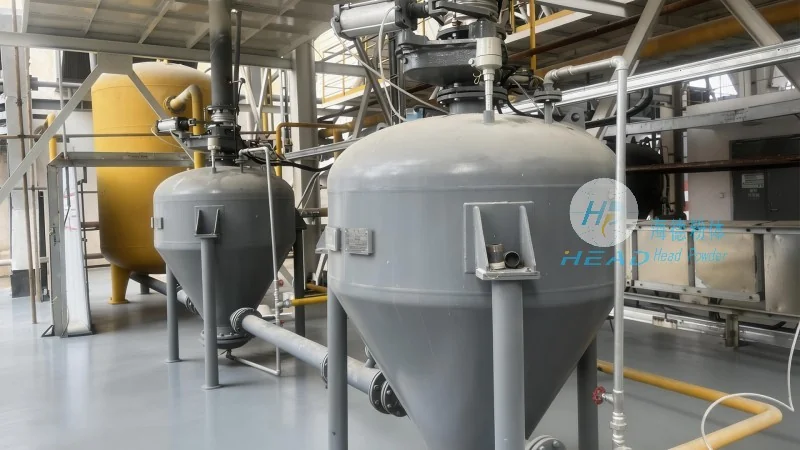
Pneumatic conveying involves the use of air or other gases to transport bulk materials through a pipeline. For micro silica powder, the system must be designed to handle the material's high dust generation potential and its tendency to agglomerate. The key components of a typical pneumatic conveying system include a material feed hopper, a rotary airlock valve, a conveying line, a receiver, and a dust collection system. Each component plays a critical role in ensuring the smooth and efficient movement of the powder.
The Operation Process of Micron Silica Powder Pneumatic Conveying
The operation process of a pneumatic conveying system for micro silica powder begins with the material being fed from a storage silo into a hopper. The hopper is equipped with a level indicator to monitor the material inventory. When the material level drops to a certain point, a sensor triggers the start of the conveying cycle. The powder is then discharged from the hopper into a rotary airlock valve, which controls the flow rate of the material into the conveying line. Simultaneously, a blower or compressor generates the necessary air pressure to move the powder through the pipeline.
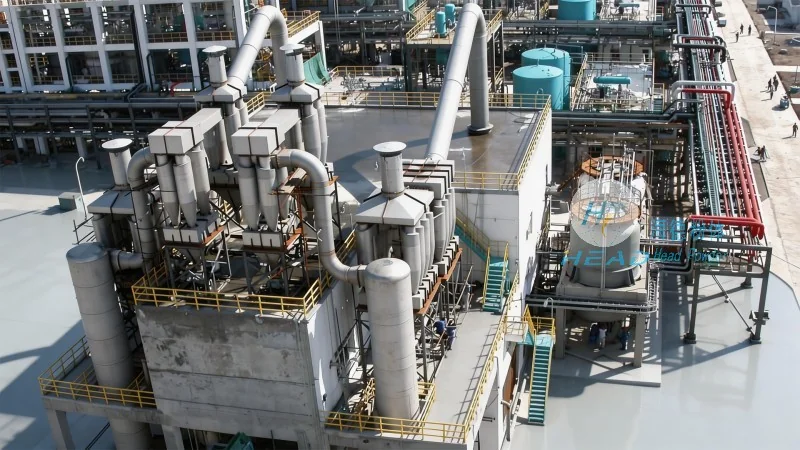
As the powder travels through the conveying line, it is suspended in the air stream and transported to the destination, such as a processing unit or a storage tank. The conveying line is typically made of stainless steel or other corrosion-resistant materials to prevent contamination and ensure durability. At the receiving end, the powder is deposited into a receiver, which may be equipped with a dust collection system to capture any fine particles that escape during the process. The air used in the conveying process is then filtered and recycled back to the blower, minimizing energy consumption and environmental impact.
Working Principle of Pneumatic Conveying for Micron Silica Powder
The working principle of a pneumatic conveying system relies on the principle of fluidization and suspension. When air is introduced into the conveying line at a sufficient velocity, it creates a fluidized bed of powder, allowing the particles to be carried along with the air stream. The velocity of the air must be high enough to overcome the gravitational force acting on the powder particles but not so high as to cause excessive pressure drop or material degradation. The system is designed to maintain a consistent air velocity throughout the pipeline to ensure uniform conveying of the powder.
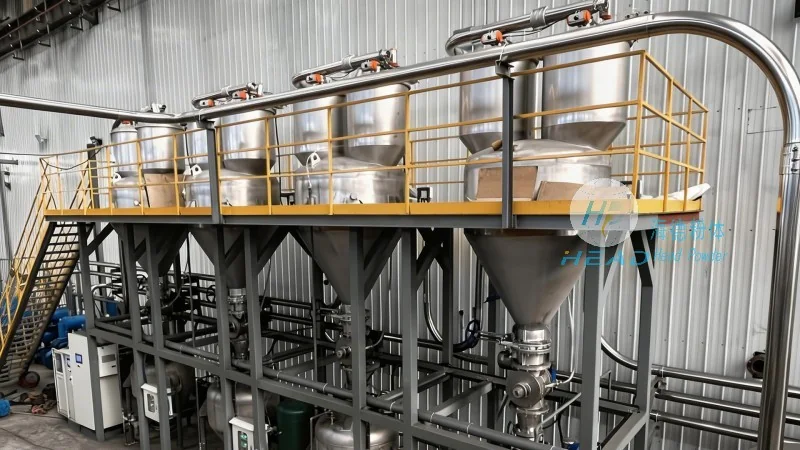
For micro silica powder, the system must be optimized to handle the material's low bulk density and high dust generation. This often involves using a combination of positive and negative pressure conveying modes. Positive pressure systems use a blower to push the air and powder through the line, while negative pressure systems use a vacuum to pull the material. The choice of system depends on the distance and layout of the conveying line, as well as the required material flow rate.
Advantages of Pneumatic Conveying for Micron Silica Powder Handling
Pneumatic conveying offers several advantages over traditional methods like bucket elevators or belt conveyors for handling micro silica powder. First, it provides a dust-free operation, which is crucial for maintaining a clean and safe working environment, especially in industries where dust can be hazardous. Second, the system reduces material degradation by minimizing mechanical contact and impact, which is important for maintaining the powder's quality and performance. Third, pneumatic conveying allows for precise control over the material flow rate and pressure, enabling better process control and efficiency. Additionally, the system can be integrated with other process equipment, such as mixers or reactors, to create a seamless production line.
Customized Solutions by Shandong HeadPowder Engineering Co., Ltd.
Shandong HeadPowder Engineering Co., Ltd., a leading provider of pneumatic conveying solutions, specializes in designing and manufacturing customized systems for handling micro silica powder and other fine powders. With years of experience in the industry, the company understands the unique challenges associated with processing ultra-fine materials and has developed advanced solutions to address them.
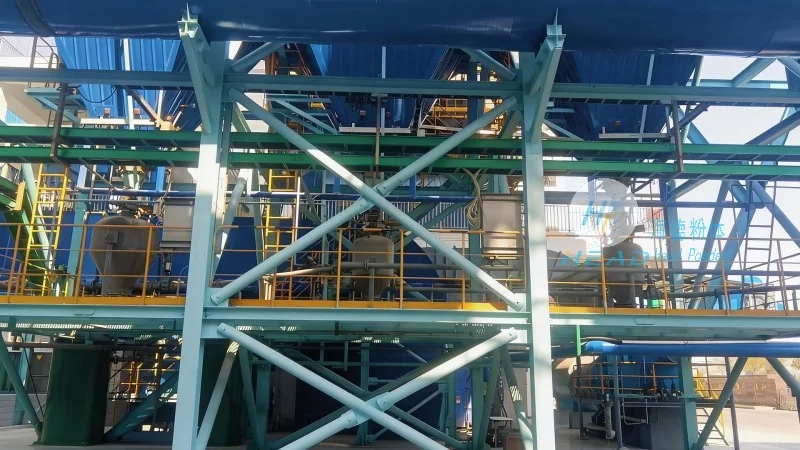
The company's engineers work closely with clients to understand their specific requirements, including material properties, conveying distance, and process conditions. Based on this information, they design a system that meets the client's needs while ensuring optimal performance and efficiency. The systems are manufactured using high-quality materials and components, ensuring durability and reliability. Shandong HeadPowder Engineering Co., Ltd. also provides installation, commissioning, and maintenance services to ensure that the system operates at its best throughout its lifecycle.
By choosing a customized pneumatic conveying system from Shandong HeadPowder Engineering Co., Ltd., clients can benefit from improved material handling efficiency, reduced downtime, and lower operating costs. The company's commitment to quality and customer satisfaction has made it a trusted partner for many industries, including construction, electronics, and pharmaceuticals, where micro silica powder is widely used.




