

Operation Process and Working Principle of Pneumatic Conveying for Aluminum Foil Materials
HeadPowder, formally known as Shandong HeadPowder Engineering Co., Ltd., is a professional engineering company based in Shandong, China. The company specializes in the design, manufacturing, and installation of pneumatic conveying systems, particularly for handling aluminum foil materials. With years of experience in the field, HeadPowder has developed advanced solutions tailored to the unique challenges of aluminum foil material transportation.
Working Principle of Pneumatic Conveying
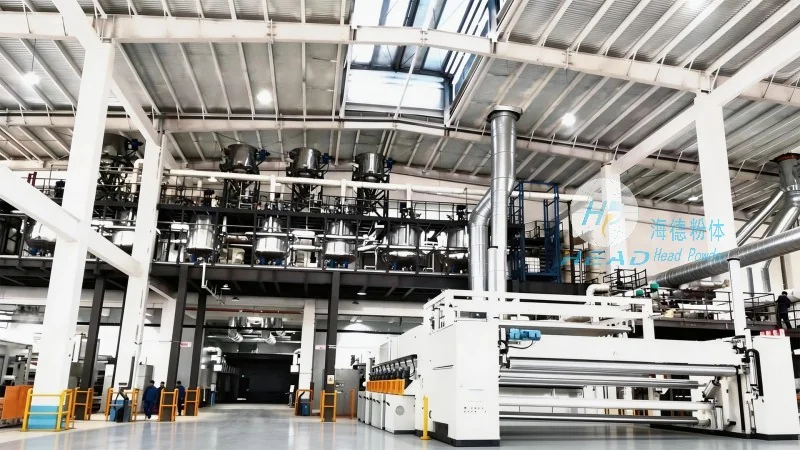
Pneumatic conveying is a method of transporting bulk materials through a pipeline using a gas stream, typically air or a mixture of air and other gases. In the case of aluminum foil materials, the system operates by creating a pressure differential within the pipeline. A fan or blower generates the necessary airflow, which draws the aluminum foil particles into the conveying line. The material is then carried through the pipeline to the destination point, such as a storage silo or processing equipment. The process relies on the interaction between the gas flow and the material particles, ensuring efficient and continuous movement without the need for mechanical components like belts or buckets.
Operation Process of Aluminum Foil Pneumatic Conveying
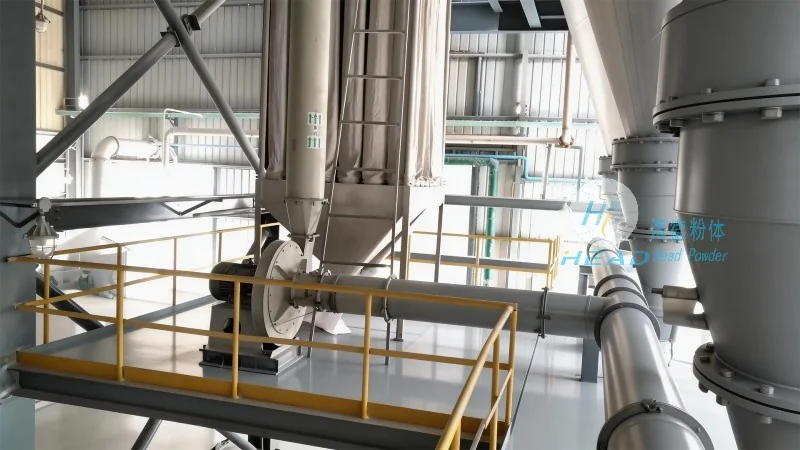
The operation process of an aluminum foil pneumatic conveying system involves several key steps. First, the aluminum foil material is fed into the inlet hopper of the system. The material is then drawn into the conveying line by the airflow generated by the fan. As the material travels through the pipeline, it may encounter various components, such as bends, filters, or cyclones, which help maintain the flow and prevent blockages. The conveying line is typically made of materials resistant to corrosion and wear, such as stainless steel or special alloys, to ensure durability when handling aluminum foil. At the discharge point, the material is deposited into the receiving container. The system may also include a control panel that monitors the pressure, airflow, and material flow, allowing for real-time adjustments to maintain optimal performance.
Advantages of Pneumatic Conveying for Aluminum Foil
Using pneumatic conveying for aluminum foil materials offers several advantages over traditional mechanical methods. First, it provides a clean and dust-free environment, which is crucial for maintaining the quality of aluminum foil products. The enclosed system prevents contamination from external sources, ensuring that the material remains free from particles or debris. Second, the process is highly efficient, with minimal material loss and reduced downtime. The continuous flow of the system allows for consistent production rates, making it suitable for high-volume applications. Additionally, pneumatic conveying systems are flexible and can be easily integrated with existing production lines, allowing for scalability and adaptability to changing production needs.
Conclusion
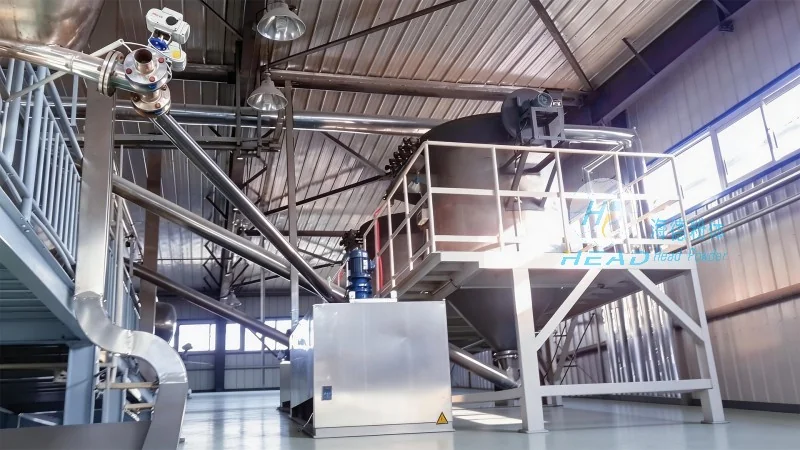
HeadPowder's expertise in pneumatic conveying systems for aluminum foil materials ensures reliable and efficient material handling solutions. By understanding the unique properties of aluminum foil and the requirements of the industry, the company has developed advanced systems that meet the highest standards of performance and reliability. Whether for new installations or system upgrades, HeadPowder provides comprehensive solutions that enhance productivity and maintain product quality. With a focus on innovation and customer satisfaction, HeadPowder continues to be a leader in the field of pneumatic conveying technology.