Understanding fiber material handling equipment is crucial for industries that rely on the efficient processing and transportation of fibrous materials. These specialized machines are engineered to manage materials such as wood chips, paper pulp, and other fibrous substances, ensuring smooth operations from raw material intake to final product output. The design principles behind these systems are multifaceted, integrating mechanical engineering, material science, and operational efficiency to meet the demands of modern manufacturing processes.
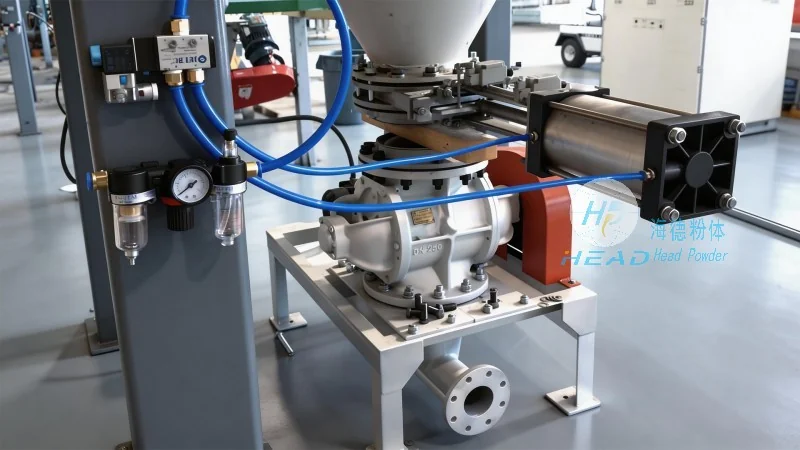
Fiber Material Handling Equipment: An Overview
Fiber material handling equipment encompasses a range of machinery designed to handle, transport, and process fibrous materials. Common examples include conveyors, feeders, and processing units that work in tandem to manage the flow of materials. These systems are critical in industries like pulp and paper, woodworking, and biomass energy production, where the consistent handling of fibrous materials is essential for productivity and quality control.
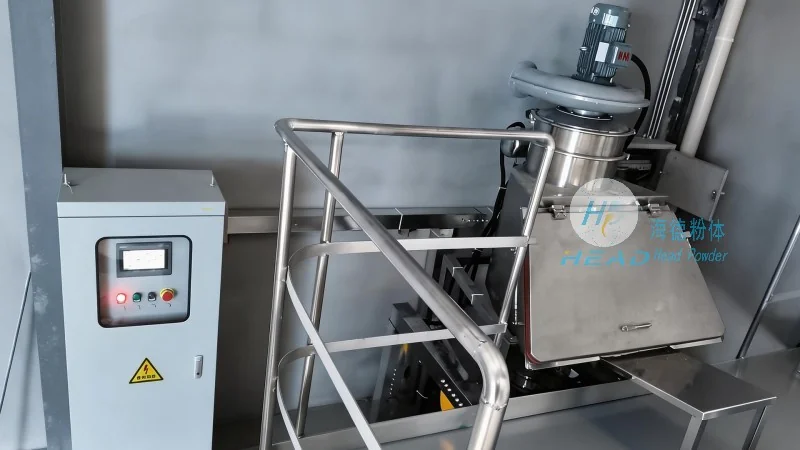
Key Design Principles for Fiber Material Handling Equipment
The design of fiber material handling equipment is guided by several core principles that ensure reliability, efficiency, and adaptability. First, the equipment must be capable of handling a wide variety of fibrous materials, from soft wood chips to rigid paper pulp, without causing damage or degradation. This requires robust construction and adjustable components that can accommodate different material properties. Second, the system must prioritize minimal material loss and contamination, as even small amounts of debris can impact downstream processes. Designers incorporate features like enclosed conveyors and precise feeding mechanisms to achieve this. Third, energy efficiency is a key consideration, as continuous operation of these systems can be costly. Engineers use optimized motor drives, variable speed controls, and energy recovery systems to reduce operational costs while maintaining performance.
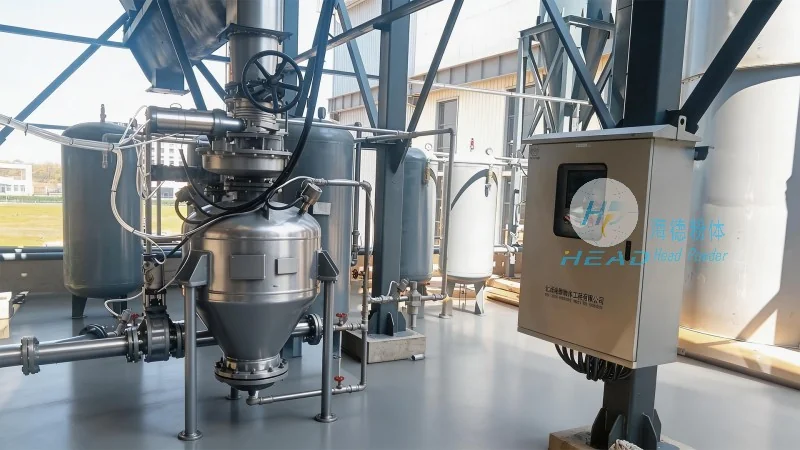
Components and Functional Design
The functional design of fiber material handling equipment involves a combination of mechanical, electrical, and control components that work together to achieve seamless material flow. Mechanical components include conveyor belts, rollers, and feed mechanisms that move materials through the system. These components are typically made from durable materials like stainless steel or heavy-duty plastics to withstand the abrasive nature of fibrous materials. Electrical systems power the machinery, often using variable frequency drives (VFDs) to adjust speed and torque based on material load and processing requirements. Control systems, usually integrated with sensors and feedback loops, monitor the system's performance and adjust operations in real-time to maintain optimal conditions. For example, a sensor may detect a blockage in the conveyor and automatically trigger a stop or adjust the feed rate to prevent material buildup.
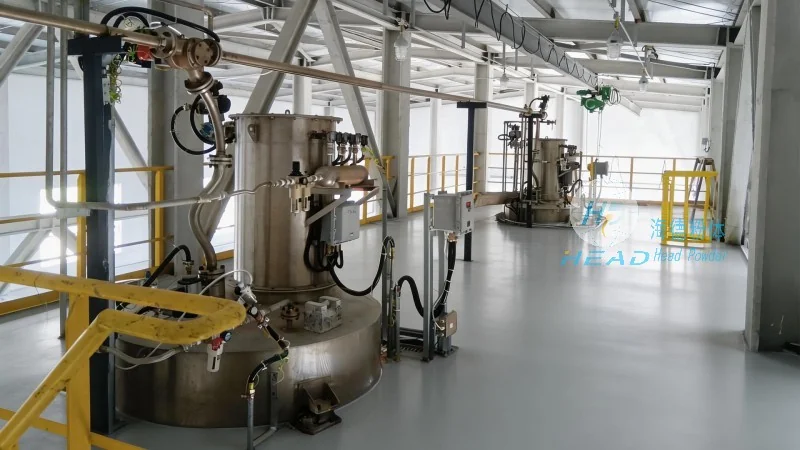
Company Introduction: Shandong HeadPowder Engineering Co., Ltd.
HeadPowder, a leading manufacturer of fiber material handling equipment, specializes in providing customized solutions tailored to the unique needs of various industries. With a focus on innovation and quality, the company has developed a range of equipment that meets international standards while delivering superior performance. HeadPowder's products are designed with the core principles of durability, efficiency, and adaptability in mind, ensuring they can handle diverse fibrous materials and operate reliably over long periods. The company's facilities in Shandong, China, are equipped with advanced manufacturing technologies and quality control processes to ensure every product meets the highest standards. HeadPowder's commitment to customer satisfaction and technical support has made it a trusted partner for businesses seeking reliable fiber material handling solutions.




