

What Are Chip Material Conveying Equipment? And What Are Their Design Principles?
Chip material conveying equipment is a specialized type of machinery used in various industrial applications, particularly in the wood processing and biomass energy sectors. These systems are designed to efficiently transport wood chips, sawdust, and other wood-based materials from one location to another within a processing facility. The primary goal of such equipment is to ensure a smooth, continuous flow of material, which is crucial for maintaining operational efficiency and productivity in wood processing plants.
Key Components and Design Principles
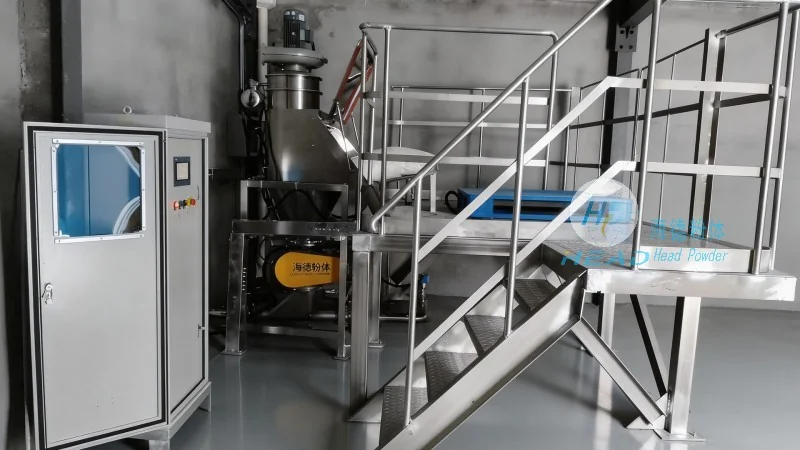
The design of chip material conveying equipment is built around a combination of critical components that work together to ensure efficient material transport. The primary components include a feed hopper, a conveyor system (either a belt or screw conveyor), a drive mechanism, and a control system. The feed hopper serves as the initial collection point, where wood chips are gathered before being transferred to the conveyor. This hopper is typically designed with a sloped bottom to facilitate the smooth flow of material into the conveyor. The conveyor system is the heart of the equipment, responsible for moving the chips through the entire process. There are two main types of conveyors used in chip material handling: belt conveyors and screw conveyors. Belt conveyors use a continuous belt to transport the material, while screw conveyors use a rotating screw to push the material forward. The choice between these two depends on the specific application, such as the size and moisture content of the chips, as well as the distance and elevation changes required. The drive mechanism provides the necessary power to operate the conveyor, usually consisting of an electric motor connected to a gearbox or reducer. This setup ensures that the conveyor operates at a consistent speed, which is crucial for maintaining the flow rate. The control system is responsible for monitoring the operation of the equipment, including the speed of the conveyor, the level of material in the hopper, and any potential blockages. Modern control systems often use sensors and automation technology to ensure safe and efficient operation, reducing the need for manual intervention.
How Chip Material Conveying Equipment Works
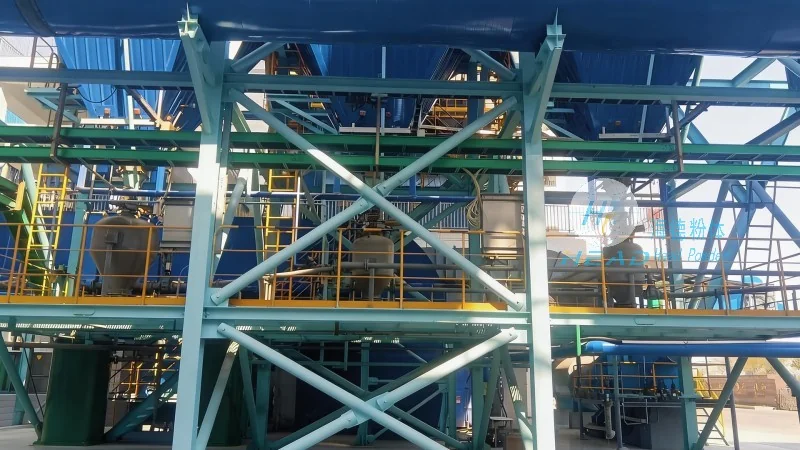
The operation of chip material conveying equipment begins with the loading of wood chips into the feed hopper. Once the hopper is filled, the control system activates the conveyor, which then begins to move the chips forward. The conveyor system transports the chips to the next stage of the processing line, such as a storage silo or a drying unit. The speed of the conveyor can be adjusted based on the volume of material and the processing requirements. For example, during peak production periods, the conveyor speed may be increased to handle a higher volume of chips. The control system continuously monitors the flow rate and adjusts the speed as needed to prevent overloading or underloading of the conveyor. This automation ensures that the material is moved at an optimal rate, minimizing the risk of bottlenecks or material buildup. The equipment is also designed to handle a wide range of chip sizes and moisture content, making it versatile for different applications. For instance, in wood processing plants, the equipment can handle chips from various sources, including sawmills and wood chippers, without requiring significant modifications. The entire process is seamless and continuous, with the conveyor system working in tandem with other processing equipment to ensure a smooth flow of material through the facility.
Applications and Benefits
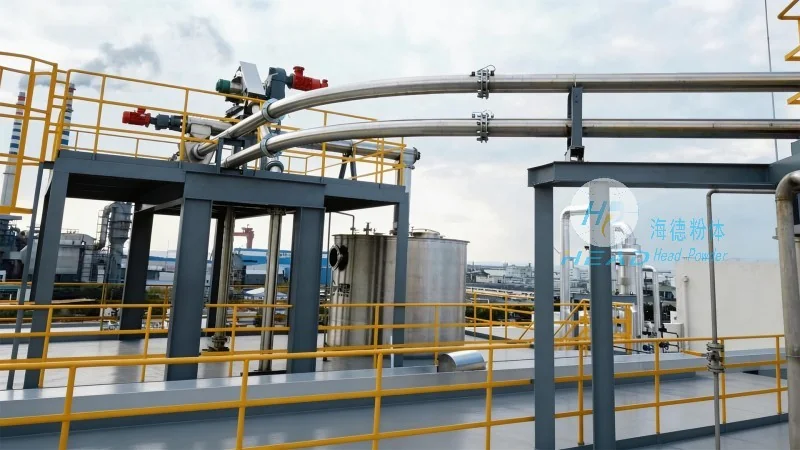
Chip material conveying equipment is widely utilized in several key industries, including wood processing, paper manufacturing, and biomass energy production. In the wood processing sector, these systems are essential for transporting wood chips from the debarking and chipping stages to the drying and pelletizing units. The equipment plays a critical role in maintaining the efficiency of the entire production line, as it ensures a consistent supply of material to downstream processes. The benefits of using chip material conveying equipment are significant and far-reaching. Firstly, it improves operational efficiency by reducing the time and labor required to move materials manually. This leads to increased productivity and reduced downtime in the processing plant. Secondly, the equipment enhances safety by minimizing the need for workers to handle heavy and potentially hazardous materials. This reduces the risk of workplace accidents and injuries. Thirdly, the equipment helps in maintaining the quality of the wood chips by preventing material loss and contamination during transport. The consistent flow of material also ensures that the downstream processes, such as pellet production, receive a uniform quality of input, leading to higher quality output. Additionally, the durability and reliability of the equipment contribute to lower maintenance costs over its lifespan. High-quality materials and robust construction ensure that the equipment can withstand the harsh conditions of industrial use, reducing the frequency of repairs and replacements.