Shandong HeadPowder Engineering Co., Ltd. specializes in the design, manufacturing, and implementation of advanced pneumatic conveying systems tailored for the efficient handling of barley and other bulk materials. Pneumatic conveying is a critical technology in the grain processing industry, enabling the safe and reliable transport of barley from storage silos, processing lines, or packaging areas without the need for mechanical components like belts or buckets.
Key Components of a Barley Pneumatic Conveying System
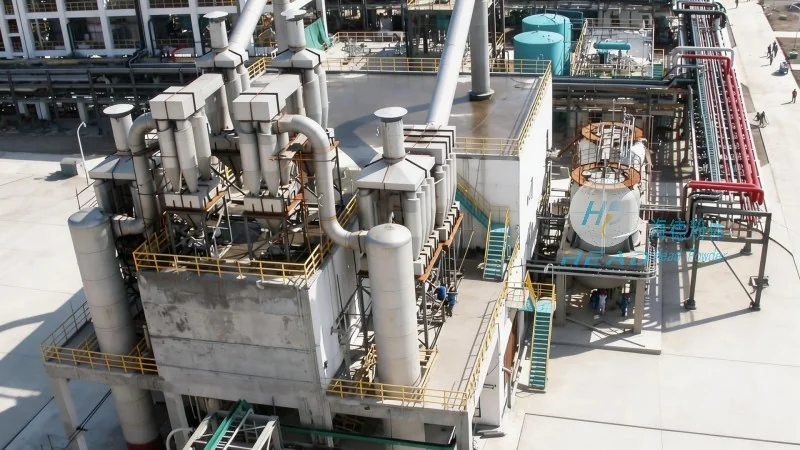
The core components of a pneumatic conveying system for barley include the material hopper, feeder, air compressor, conveying pipeline, and discharge unit. The material hopper stores the barley and feeds it into the system at a controlled rate. The feeder, often a rotary valve or screw feeder, regulates the flow of barley into the pipeline. The air compressor generates the necessary pressure or vacuum to move the barley through the pipeline. The conveying pipeline, typically made of stainless steel or other corrosion-resistant materials, ensures the barley is transported efficiently. The discharge unit, such as a rotary valve or a hopper, releases the barley at the destination point.
Operation Process of Barley Pneumatic Conveying
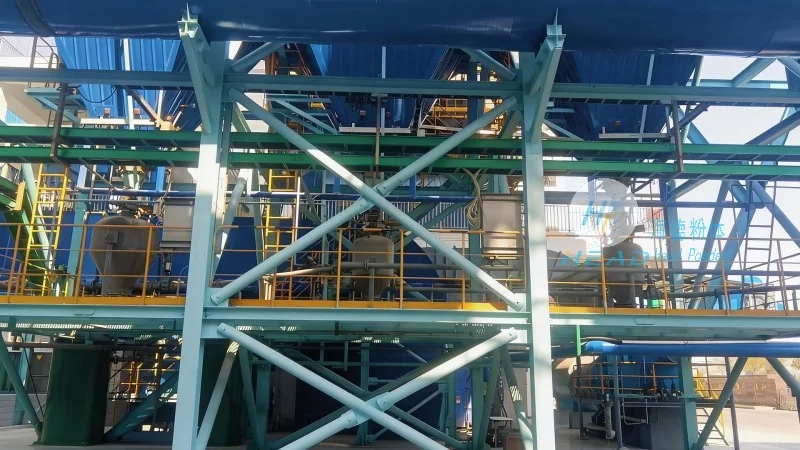
The operation process of a barley pneumatic conveying system involves several sequential steps. First, the barley is loaded into the material hopper. The feeder then regulates the flow of barley into the pipeline. The air compressor starts, generating the required airflow to create a pressure differential that moves the barley through the pipeline. As the barley travels through the pipeline, it is carried by the air stream, which can be either positive pressure (air pushing the material) or negative pressure (air pulling the material). The system ensures consistent and continuous transport of barley from the source to the destination. The discharge unit then releases the barley at the intended location, completing the cycle.
Working Principle of Pneumatic Conveying for Barley
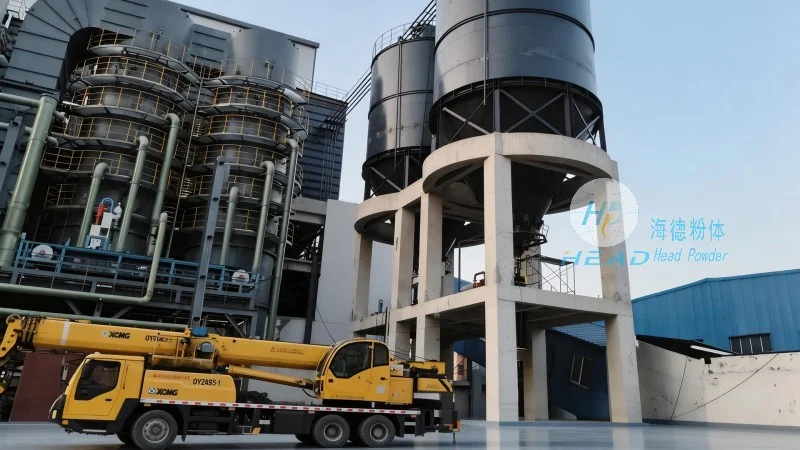
The working principle of pneumatic conveying for barley is based on the interaction between the material particles and the air stream. In positive pressure systems, the air compressor pushes air into the pipeline, creating a pressure higher than the ambient air pressure. This pressure difference forces the barley to move through the pipeline. The air velocity is maintained at a level sufficient to keep the barley suspended and transported without causing excessive wear or degradation. In negative pressure systems, the air is drawn out of the pipeline, creating a vacuum that pulls the barley into the system. The design of the system, including the air velocity and pipeline diameter, is crucial to ensure efficient and gentle handling of the barley.
Advantages of Using Pneumatic Conveying for Barley Handling
Pneumatic conveying systems offer several advantages for barley handling. They provide a dust-free and hygienic environment, which is essential for maintaining the quality and safety of the barley. The system is also highly flexible, allowing for changes in the conveying route or destination without major modifications. Additionally, pneumatic conveying reduces the risk of contamination and damage to the barley compared to mechanical systems. The system is also energy-efficient and can handle a wide range of barley sizes and moisture contents.
Customization and Application in Barley Processing
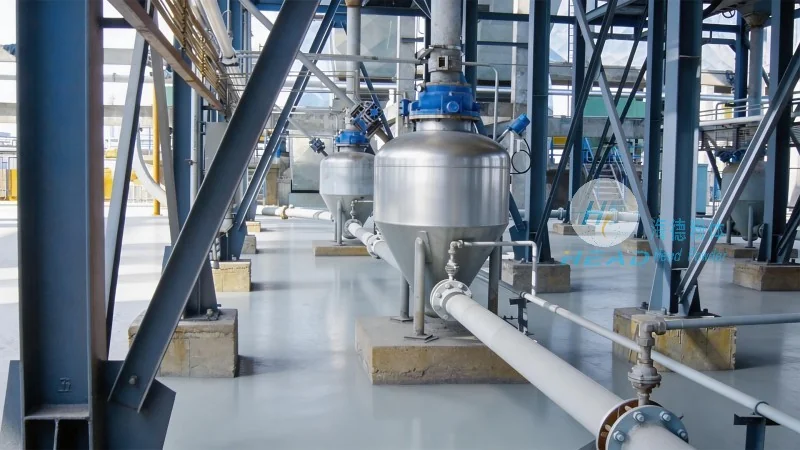
Shandong HeadPowder Engineering Co., Ltd. offers customized pneumatic conveying solutions tailored to the specific needs of barley processing facilities. The company considers factors such as the volume of barley to be conveyed, the distance between the source and destination, the required speed of transport, and the environmental conditions when designing the system. The systems can be integrated with existing processing lines or used as standalone solutions. The company’s expertise in material handling ensures that the barley is handled gently and efficiently, maintaining its quality and meeting the standards of the grain industry.




