

Operation Process and Working Principle of Pneumatic Conveying for Feed Materials
HeadPowder, a leading engineering company based in Shandong, China, specializes in the design, manufacturing, and installation of advanced pneumatic conveying systems tailored for the feed industry. Pneumatic conveying is a critical technology for efficiently transporting bulk materials like feed ingredients, ensuring smooth operations in feed mills and processing facilities. This article delves into the operational process and working principles of such systems, highlighting their efficiency, reliability, and application in modern feed production.
Understanding Pneumatic Conveying Technology
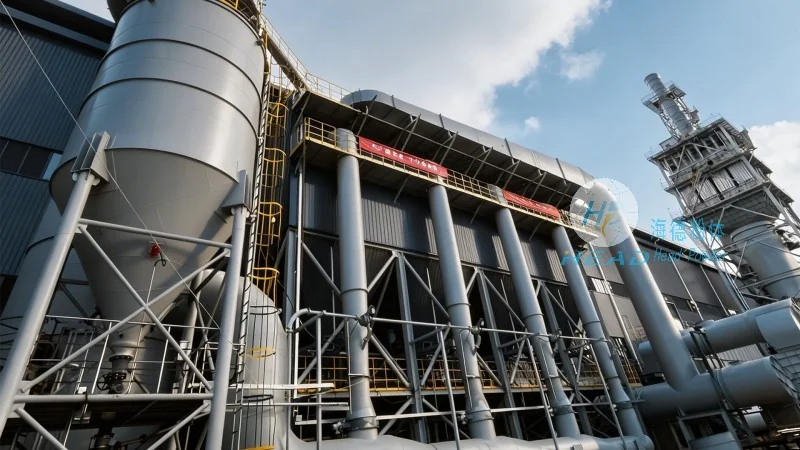
Pneumatic conveying systems utilize air or gas to transport bulk materials through a pipeline network. Unlike traditional mechanical conveyors, these systems offer advantages such as flexibility in layout, reduced maintenance, and the ability to handle a wide range of feed materials, including powders, granules, and mixtures. The core components of a typical pneumatic conveying system include a material feed hopper, a conveyor line (often with multiple sections like a primary and secondary line), a control system, and a dust collection or separation unit. The system operates by creating a pressure differential between the inlet and outlet of the pipeline, which propels the material forward through the air stream.
The Operational Process of Pneumatic Conveying
The operation of a pneumatic conveying system for feed materials involves several key steps. First, the feed material is introduced into the system via a hopper or feeder, which ensures a consistent flow of material into the conveyor line. The material then enters the primary conveyor section, where it is mixed with the air stream. As the air and material travel through the pipeline, the pressure differential drives the material forward. The system may include intermediate sections or branches to direct the material to different processing units or storage areas. At the end of the conveyor line, a separator or cyclone separates the material from the air, allowing the feed to be discharged into a silo or storage bin. The air, now containing fine particles, is then filtered and recycled back into the system, minimizing waste and energy consumption.
Key Working Principles and System Design
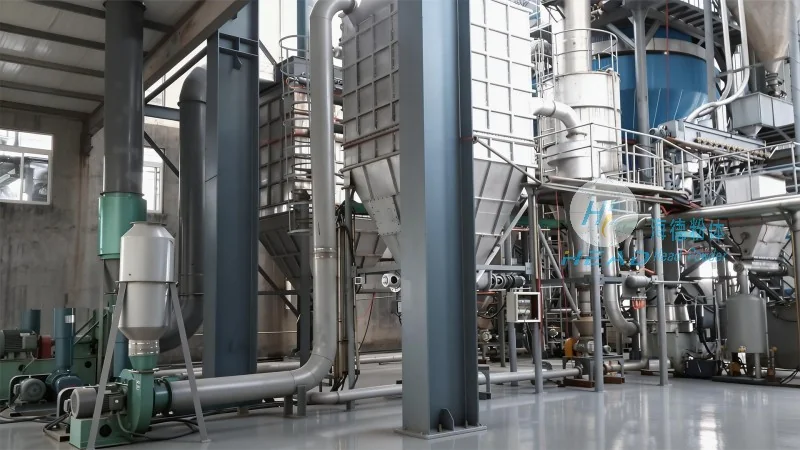
The working principles of pneumatic conveying systems are based on fluid dynamics and material handling physics. The system's performance is influenced by factors such as the material's bulk density, particle size, and flowability. HeadPowder engineers design systems with appropriate air velocities and pressure levels to ensure efficient transport without causing material degradation or blockages. For feed materials, which often include sensitive components like vitamins or enzymes, the system's design minimizes exposure to high temperatures or excessive air flow, preserving product quality. The control system plays a crucial role in regulating the flow rate, pressure, and air volume, ensuring stable operation and preventing system overload or damage.
Advantages of Pneumatic Conveying in Feed Production
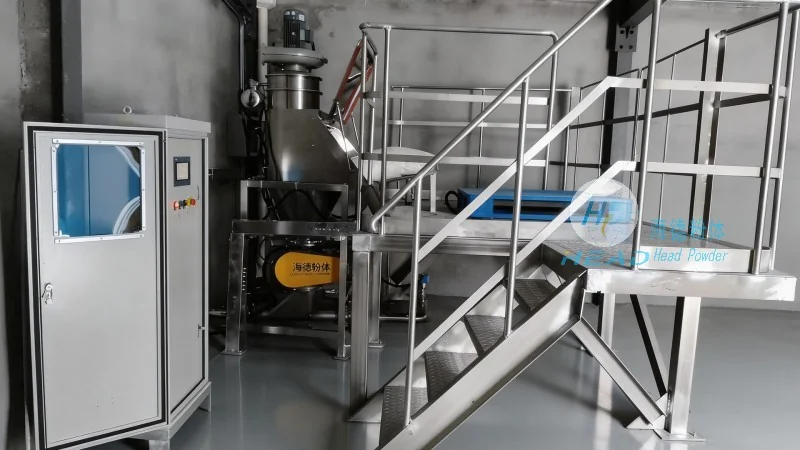
Implementing pneumatic conveying systems in feed production facilities offers numerous benefits. These systems enhance operational efficiency by reducing labor costs and minimizing downtime associated with mechanical conveyor maintenance. They also improve product quality by preventing contamination and ensuring consistent material handling. Additionally, the flexibility of pneumatic systems allows for easy integration with existing production lines or expansion of processing capabilities. HeadPowder's expertise in customizing systems to meet specific feed mill requirements ensures that clients achieve optimal performance and cost-effectiveness.
Conclusion and Company Overview
HeadPowder Engineering Co., Ltd., based in Shandong, China, is a trusted provider of pneumatic conveying solutions for the feed industry. By leveraging advanced engineering and manufacturing capabilities, the company delivers reliable, efficient systems that meet the demanding requirements of modern feed production. The operational process and working principles of these systems, as outlined above, demonstrate their effectiveness in improving productivity and maintaining product integrity. For feed manufacturers seeking to enhance their material handling processes, HeadPowder offers tailored solutions that combine innovation, quality, and customer-centric design.