

What is a cement dry ash material conveying system? What are its design principles?
Cement dry ash material conveying systems are specialized industrial solutions designed to transport dry cementitious materials, such as cement, fly ash, and other fine powders, from one location to another with high efficiency and minimal material loss. These systems are critical in cement production, construction, and related industries where the reliable and safe handling of bulk dry materials is essential. The design principles behind these systems focus on optimizing material flow, ensuring low dust emission, and maintaining system durability under continuous operation.
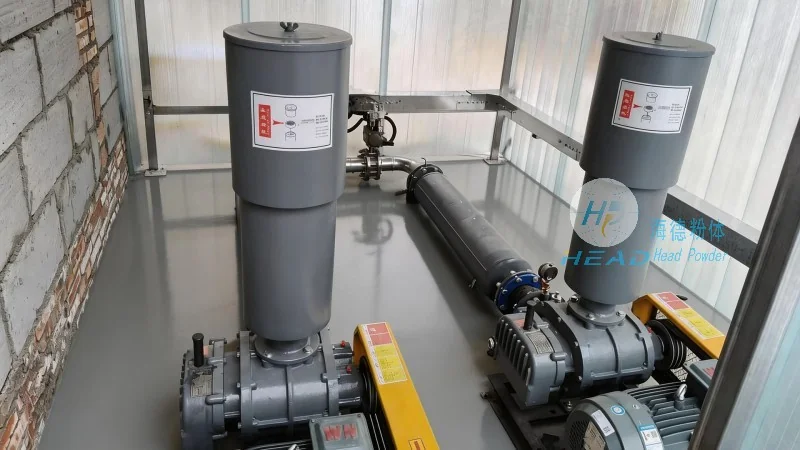
Key Components and Working Principles
The core components of a cement dry ash material conveying system typically include a feeding hopper, a conveying device (such as a screw conveyor, pneumatic conveyor, or belt conveyor), a dust collection system, and a control unit. The feeding hopper ensures a consistent material supply, while the conveying device transports the material through a pipeline or open channel. Pneumatic conveying systems, for example, use compressed air to move dry materials, which is particularly effective for fine powders and reduces the risk of material degradation. The dust collection system is integral to maintaining air quality and preventing environmental contamination, often incorporating filters or cyclones to capture particulate matter.
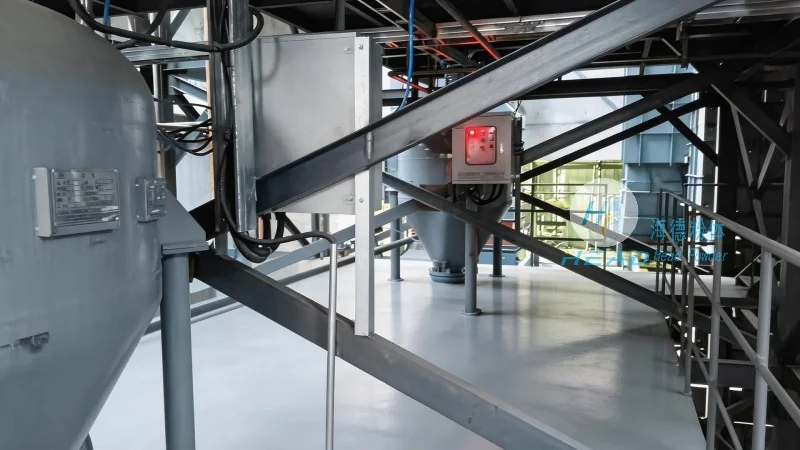
Design Considerations for Optimal Performance
Designing an effective cement dry ash material conveying system requires careful consideration of several factors to ensure efficiency and reliability. Material properties, such as particle size, moisture content, and bulk density, significantly impact the choice of conveying method. For instance, systems handling very fine powders may benefit from pneumatic conveying due to its ability to handle low-density materials without excessive pressure drops. The system layout, including the length and elevation of the conveying line, also plays a crucial role. Properly sized pipelines and appropriate slope angles are essential to maintain material flow and prevent blockages. Additionally, the integration of a dust suppression system is vital to comply with environmental regulations and protect personnel from respiratory hazards.
Applications in Cement Production and Construction
Cement dry ash material conveying systems are widely used in the cement manufacturing process, where they transport raw materials like limestone, clay, and fly ash to the grinding and mixing stages. In construction projects, these systems are employed to deliver cement and supplementary cementitious materials (SCMs) to job sites, ensuring a steady supply of materials for concrete production. The ability to handle large volumes of dry materials at high speeds makes these systems indispensable in both industrial and construction settings. By optimizing material transport, these systems contribute to improved production efficiency, reduced downtime, and enhanced overall operational performance.
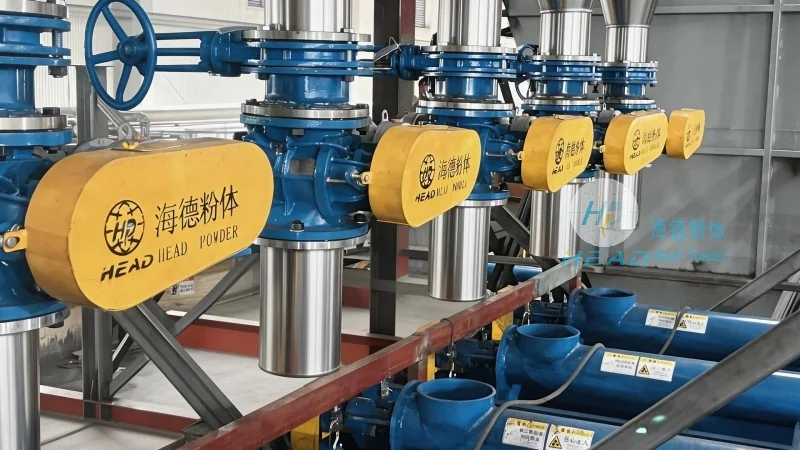
About HeadPowder: Your Trusted Partner in Material Handling Solutions
HeadPowder, or Shandong HeadPowder Engineering Co., Ltd., based in Shandong, China, is a leading provider of advanced material handling solutions tailored to the cement and construction industries. With years of experience in designing and manufacturing high-quality conveying systems, HeadPowder specializes in creating customized solutions that meet the unique needs of its clients. The company’s commitment to innovation and quality ensures that its products are reliable, efficient, and compliant with industry standards. Whether for new installations or system upgrades, HeadPowder offers comprehensive support, from initial design and engineering to installation and maintenance, helping businesses achieve optimal material handling performance.