When designing a pneumatic conveying system for calcined sand, several critical factors must be considered to ensure optimal performance, reliability, and cost-effectiveness. The process involves selecting appropriate equipment, determining the most suitable conveying method, and ensuring compliance with operational and safety standards. This article provides a comprehensive guide to the key considerations and steps involved in developing a well-designed calcined sand pneumatic conveying system, with a focus on practical application and system optimization.
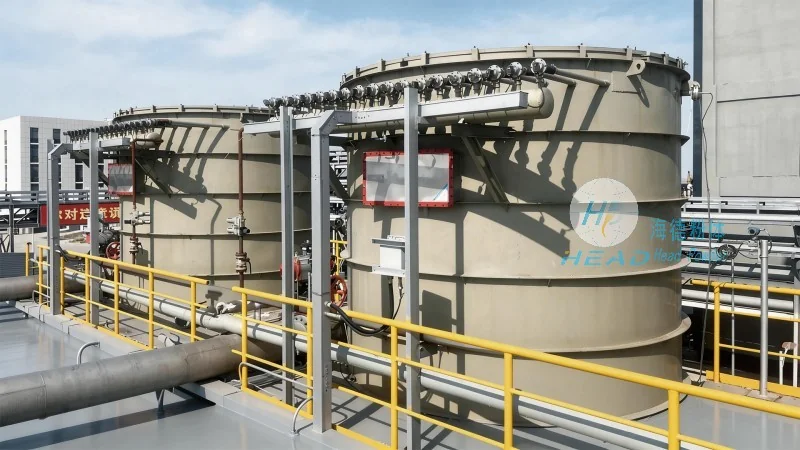
Key Components and Equipment Selection for Calcined Sand Pneumatic Conveying
The core components of a pneumatic conveying system for calcined sand typically include a hopper, feeder, air compressor, conveying line, and receiver. Each component plays a vital role in the overall system's functionality. The hopper is responsible for storing the calcined sand, while the feeder ensures a consistent and controlled flow of material into the system. The air compressor generates the necessary air pressure to move the sand through the conveying line. The conveying line, often made of stainless steel or other corrosion-resistant materials, transports the sand from the hopper to the receiver. The receiver collects the conveyed material and may include features such as a dust collection system to maintain air quality and prevent contamination. Selecting the right materials for these components is crucial, as calcined sand can be abrasive and may cause wear on equipment. Stainless steel or high-grade alloys are commonly used to withstand the abrasive nature of the material and extend the system's lifespan.
Conveying Method Selection: Dilute Phase vs. Dense Phase
Choosing between dilute phase and dense phase conveying is a critical decision in system design. Dilute phase systems use low air velocity and high air-to-material ratios, making them suitable for long-distance or high-capacity applications. They are generally more energy-efficient and require less maintenance. Dense phase systems, on the other hand, use higher air velocity and lower air-to-material ratios, resulting in a more compact and efficient conveying process. These systems are ideal for handling fine or abrasive materials like calcined sand, as they reduce the risk of material degradation and equipment wear. The selection of the conveying method depends on factors such as the distance between the hopper and receiver, the required material flow rate, and the material's physical properties. For calcined sand applications, dense phase conveying is often preferred due to its ability to handle abrasive materials and maintain product quality.
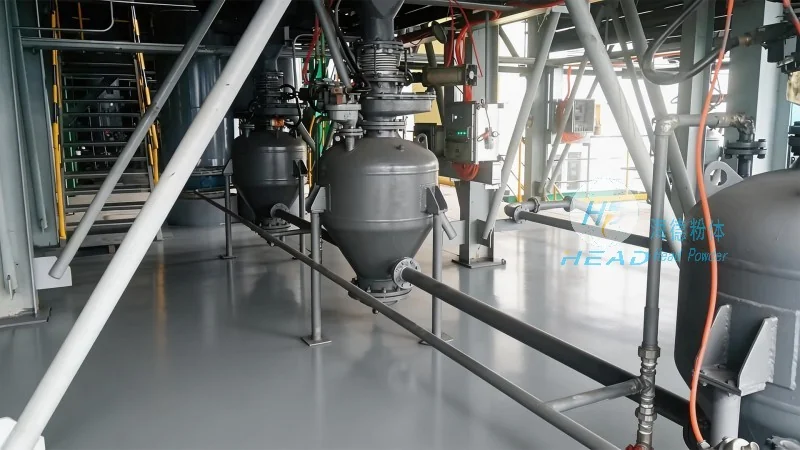
System Sizing and Air Flow Calculation
Accurate system sizing is essential to ensure the pneumatic conveying system operates efficiently and meets the required material handling capacity. This involves calculating the necessary air flow rate, pressure, and line dimensions. The air flow rate is determined based on the material's bulk density, particle size, and the desired conveying velocity. The conveying velocity must be high enough to prevent material settling in the line but low enough to avoid excessive wear on the equipment. The pressure required is influenced by the system's length, elevation changes, and any obstacles or bends in the conveying line. Proper calculation of these parameters ensures the system operates within its optimal range, minimizing energy consumption and maximizing material throughput. Using software tools or consulting with experienced engineers can help in accurately determining the system's sizing requirements.
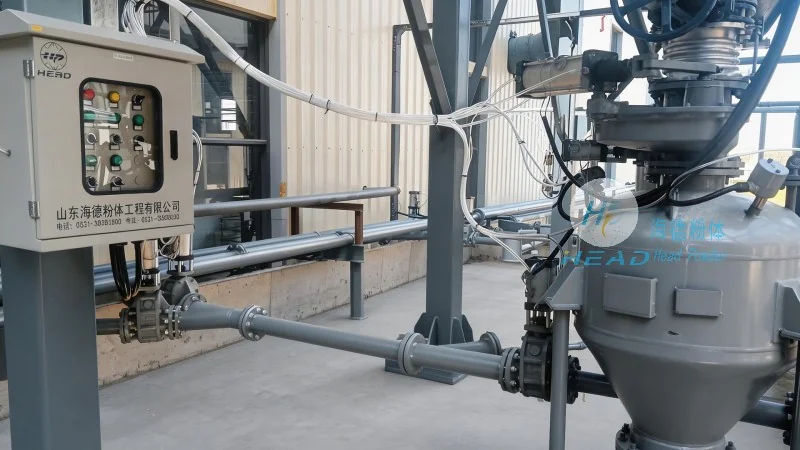
Material Handling Considerations for Calcined Sand
Calcined sand is a high-temperature, abrasive material that requires special handling considerations in pneumatic conveying systems. The material's abrasive nature can cause significant wear on components such as the hopper, feeder, and conveying line. Therefore, using wear-resistant materials like stainless steel or ceramic coatings is essential to extend the system's lifespan and reduce maintenance costs. Additionally, calcined sand can generate dust and fumes during the conveying process, which may require additional dust collection and filtration systems to maintain air quality and comply with environmental regulations. The system design should also account for the material's temperature, as high temperatures can affect the air compressor's performance and require cooling systems. Proper temperature control is crucial to prevent equipment damage and ensure the system operates efficiently.
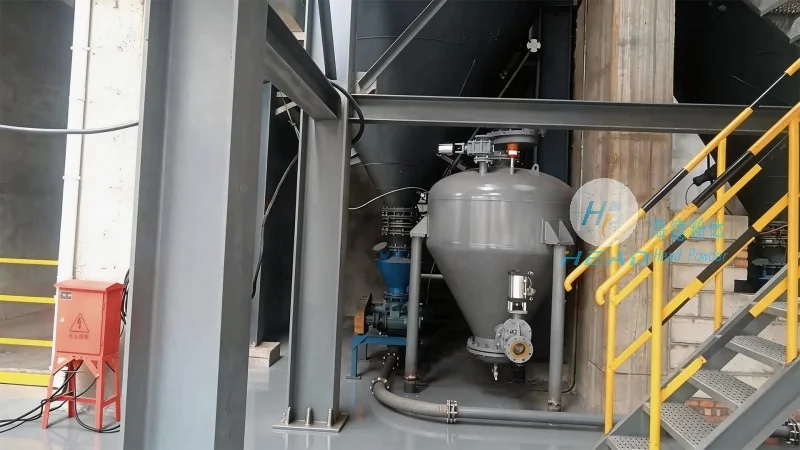
System Integration and Control Systems
Integrating the pneumatic conveying system with other process equipment, such as storage silos or processing units, is important for seamless operation. The system should be designed to interface with existing infrastructure and control systems to ensure smooth material flow and minimize downtime. Control systems, including sensors and automation, can help monitor the system's performance, detect issues, and adjust parameters in real-time. This enhances the system's reliability and efficiency. For example, level sensors in the hopper can trigger the feeder to start when the material level drops below a certain point, ensuring a continuous material supply. Pressure sensors in the conveying line can monitor air pressure and adjust the compressor's output as needed. These control features help maintain optimal system performance and prevent overloading or underloading of the equipment.
Installation and Maintenance Guidelines
Proper installation and regular maintenance are critical to the long-term performance and reliability of a calcined sand pneumatic conveying system. Installation should follow manufacturer guidelines and industry standards to ensure the system operates safely and efficiently. This includes proper alignment of components, secure connections, and adequate space for maintenance and access. Regular maintenance, such as cleaning the hopper and conveying line, inspecting wear parts, and checking the air compressor's performance, is essential to prevent system failures and extend the equipment's lifespan. A well-maintained system will have lower downtime, reduced maintenance costs, and higher material throughput. It is recommended to schedule regular maintenance checks and have a maintenance plan in place to address any issues promptly. This proactive approach helps ensure the system operates at peak performance and meets the operational requirements.




