

What is a Molybdenum Oxide Material Pneumatic Conveying Line? And What Are Its Design Principles?
Molybdenum oxide, a crucial compound in various industrial applications, often requires efficient and reliable material handling solutions. The molybdenum oxide material pneumatic conveying line is a specialized system designed to transport this specific material from one location to another with precision and minimal loss. This technology plays a vital role in industries such as metallurgy, chemical processing, and manufacturing, where the handling of fine powders like molybdenum oxide demands high standards of performance and safety.
Understanding the Core Design Principles of Pneumatic Conveying Systems
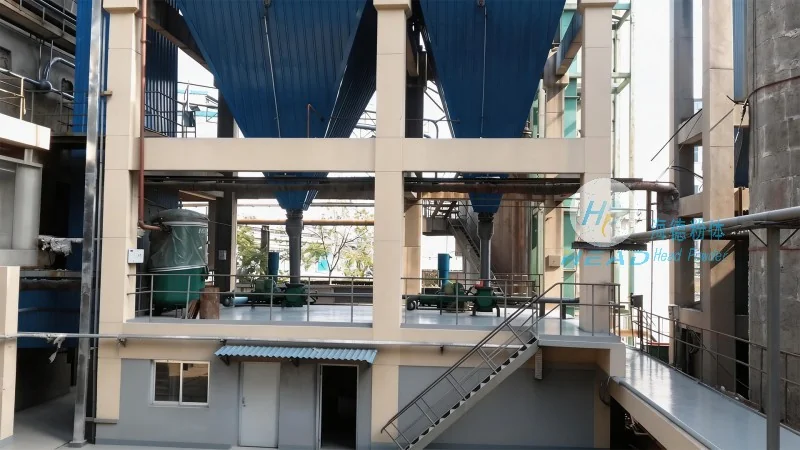
The design of a molybdenum oxide material pneumatic conveying line is built upon fundamental principles of fluid dynamics and material science. At its essence, the system uses compressed air or other gases to transport the material through a pipeline network. The key design considerations include the particle size and density of the molybdenum oxide, as these properties directly impact the conveying velocity, pressure drop, and overall system efficiency. Engineers from Shandong HeadPowder Engineering Co., Ltd. (commonly known as HeadPowder) meticulously analyze these factors to ensure the system operates optimally. The design also incorporates elements like hopper design, airlocks, and control valves to manage the flow and prevent material degradation or blockages.
Key Components and Their Functionality in the Conveying Line
A typical molybdenum oxide material pneumatic conveying line consists of several critical components, each playing a specific role in the overall operation. The initial stage involves a hopper or feeder that stores and feeds the molybdenum oxide powder into the system. This component is designed to maintain a consistent flow rate, preventing overloading or underfeeding that could disrupt the conveying process. The feeder is often equipped with a rotary valve or a star valve to control the material discharge, ensuring a steady supply to the conveying line.
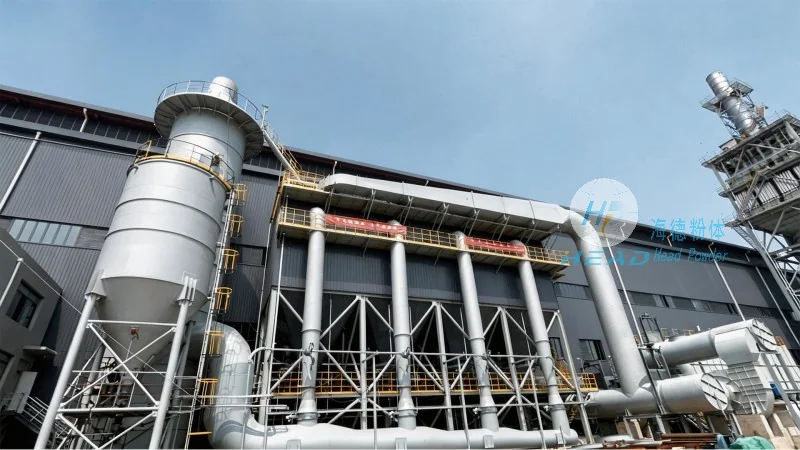
Next, the material enters the pipeline where it is propelled by the compressed air. The air velocity must be sufficient to overcome the gravitational forces and friction within the pipeline, allowing the molybdenum oxide particles to remain suspended and move along the system. The pipeline design, including its diameter and length, is carefully selected based on the material's characteristics and the required conveying distance. HeadPowder engineers utilize advanced computational fluid dynamics (CFD) simulations to optimize the pipeline geometry and ensure efficient material transport.
At the receiving end, the system typically includes a receiver or silo where the molybdenum oxide is deposited. The receiver is equipped with a discharge valve to control the material release, and sometimes a dust collection system to capture any fine particles that may escape during the process. The entire system is integrated with a control panel that monitors pressure, flow rate, and other parameters, allowing for real-time adjustments and ensuring safe operation.
Advantages of Using a Specialized Pneumatic Conveying Line for Molybdenum Oxide
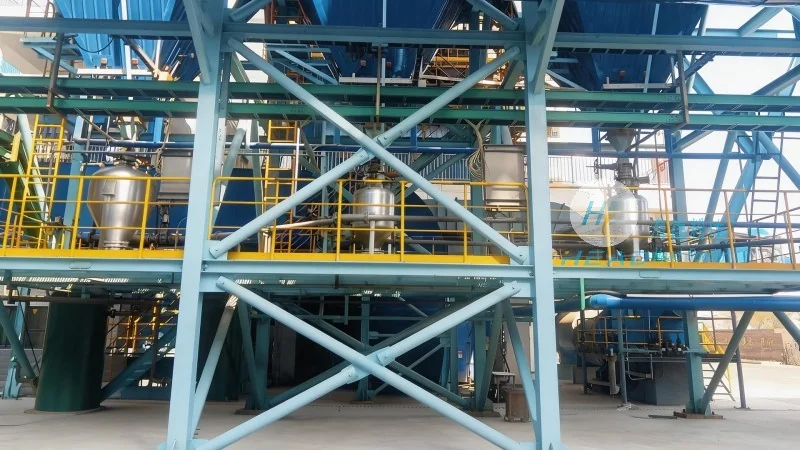
Implementing a dedicated pneumatic conveying line for molybdenum oxide offers several advantages over traditional methods like bucket elevators or belt conveyors. One of the primary benefits is the ability to handle fine powders without the risk of material degradation or contamination. The enclosed system prevents dust exposure, which is crucial for maintaining product quality and ensuring workplace safety. Additionally, pneumatic conveying systems can be designed to operate in a closed loop, minimizing environmental impact and reducing the need for external ventilation systems.
Another advantage is the flexibility in system layout. Unlike fixed conveyors, pneumatic lines can be easily reconfigured or expanded to accommodate changes in production volume or facility layout. This adaptability makes them ideal for dynamic industrial environments where processes may evolve over time. The system also offers better control over material flow, allowing for precise dosing and batching, which is essential in applications requiring consistent material composition.
Furthermore, the use of pneumatic conveying reduces the risk of material blockages and equipment wear compared to mechanical conveyors. The absence of moving parts in the pipeline minimizes maintenance requirements and extends the operational life of the system. HeadPowder's expertise in designing customized pneumatic conveying lines ensures that these advantages are fully realized, providing clients with a reliable and efficient solution tailored to their specific needs.
Application Scenarios and Industry Impact
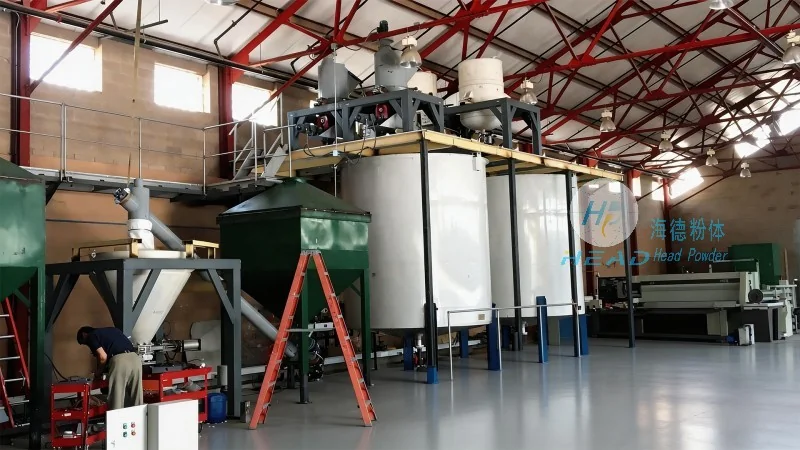
The molybdenum oxide material pneumatic conveying line is widely used in various industrial applications where the handling of fine powders is critical. In the metallurgical industry, it is employed in the production of molybdenum-based alloys, where the precise transport of molybdenum oxide is essential for achieving the desired alloy composition. In chemical processing, the system is used to convey molybdenum oxide for the manufacturing of catalysts and other chemical products, where uniform material distribution is crucial for reaction efficiency.
In manufacturing and processing facilities, the system enhances productivity by enabling continuous material flow and reducing downtime associated with manual handling or mechanical conveyor maintenance. The ability to handle large volumes of molybdenum oxide efficiently contributes to improved overall operational efficiency and cost savings for companies. HeadPowder, with its headquarters in Shandong, China, has extensive experience in providing such customized solutions to clients across different industries, helping them optimize their material handling processes and achieve higher productivity levels.