The Methylcellulose Powder Pneumatic Conveying System is a specialized industrial solution designed for the efficient and reliable transport of methylcellulose powder. This system is engineered to handle the unique properties of methylcellulose, such as its fine particle size and potential for agglomeration, ensuring smooth and consistent material movement. The system operates by utilizing air pressure to move the powder through a network of pipes and components, providing a clean and low-maintenance method for material handling.
Key Components of the System
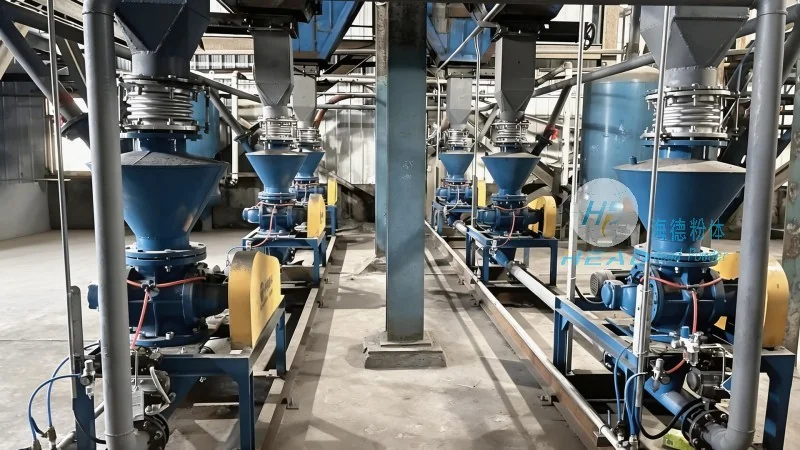
The system comprises several critical components that work in tandem to achieve effective pneumatic conveying. These include a material hopper for storage and feeding, a rotary valve or feeder to control the flow rate, a blower or air compressor to generate the necessary air pressure, and a conveying line with appropriate fittings and elbows. Additionally, a dust collector or filter may be integrated to manage any airborne particles and maintain air quality. Each component is selected based on the specific characteristics of methylcellulose powder, ensuring optimal performance and durability.
Operation Process of the System
The operation of the Methylcellulose Powder Pneumatic Conveying System follows a systematic process. First, the methylcellulose powder is fed into the material hopper from a storage silo or container. The rotary valve or feeder then regulates the powder flow into the conveying line, ensuring a consistent feed rate. The blower or air compressor generates the required air pressure, which is introduced into the conveying line. As the air flows through the line, it lifts and transports the powder particles, moving them from the source to the destination. The system may include intermediate silos or storage tanks to buffer the material during transport. At the receiving end, a rotary valve or discharge device controls the release of the powder into the target container or processing equipment. The entire process is automated, with sensors and controls monitoring pressure, flow rate, and material levels to maintain stable operation.
Working Principle of the Pneumatic Conveying Mechanism
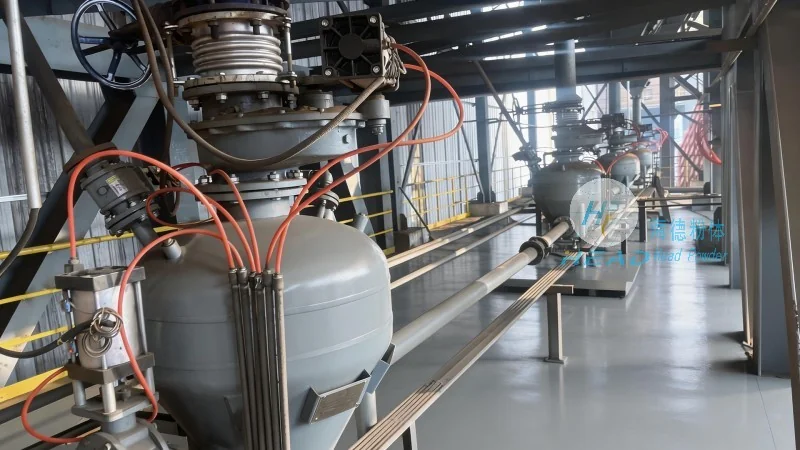
The working principle of the Methylcellulose Powder Pneumatic Conveying System is based on the fundamental physics of fluid dynamics and particle transport. The system operates on the principle of dilute phase or dense phase conveying, depending on the design and application requirements. In dilute phase conveying, the powder is suspended in the air stream and transported as a dilute mixture, typically at air velocities above 20 m/s. This method is suitable for short to medium distance transport and is efficient for fine powders like methylcellulose. In dense phase conveying, the powder is conveyed in a higher concentration, with air velocities lower than in dilute phase, often around 8-15 m/s. This method is preferred for longer distances or when the powder is prone to agglomeration, as it reduces the risk of particle degradation and blockages. The system's blower or air compressor provides the necessary pressure to overcome the resistance in the conveying line, including friction losses and elevation changes. The air flow is controlled to maintain a stable velocity, ensuring that the powder particles are adequately suspended and transported without settling or clogging.
Advantages of the Methylcellulose Powder Pneumatic Conveying System
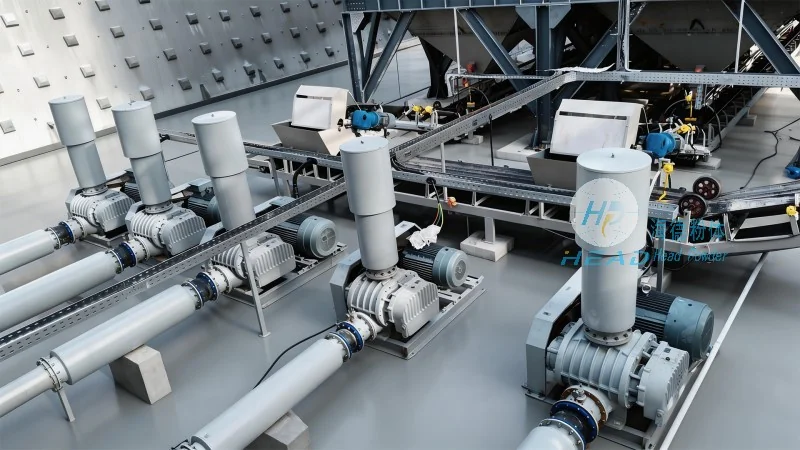
Implementing a Methylcellulose Powder Pneumatic Conveying System offers several advantages over traditional material handling methods. First, it provides a clean and hygienic method of transport, as the system is enclosed and prevents contamination from external sources. This is particularly important for food-grade or pharmaceutical-grade methylcellulose, where purity is critical. Second, the system is highly efficient, with minimal material loss and reduced downtime due to maintenance. The pneumatic conveying process is also flexible, allowing for changes in material flow rates and destinations without significant modifications. Additionally, the system is low-maintenance, as it has fewer moving parts compared to mechanical conveyors, reducing the risk of wear and tear. The enclosed design also helps in controlling dust emissions, improving workplace safety and compliance with environmental regulations. Overall, the system enhances productivity and operational reliability in industrial applications involving methylcellulose powder.
Application Scenarios and Considerations
The Methylcellulose Powder Pneumatic Conveying System is widely used in various industrial sectors, including pharmaceuticals, food processing, and chemical manufacturing. In pharmaceutical applications, the system is used to transport methylcellulose for tablet coating or as an excipient in formulations, ensuring that the powder is handled in a sterile and controlled environment. In food processing, the system is employed to transport methylcellulose used as a thickener or stabilizer in beverages and food products, maintaining the quality and consistency of the final product. In chemical manufacturing, the system is used to convey methylcellulose used in industrial coatings or as a processing aid. When selecting a system, several factors must be considered, including the particle size and density of the methylcellulose powder, the distance and elevation changes between the source and destination, and the required flow rate. The system's design must also account for the potential for powder agglomeration, as methylcellulose can clump together under certain conditions. Proper system sizing and component selection are crucial to ensure reliable operation and prevent blockages or pressure drops.




