

What is a Ferrous Sulfate Material Pneumatic Conveying Line? And What Are Its Design Principles?
For industrial applications involving the handling of ferrous sulfate, understanding the appropriate equipment and its operational principles is crucial. A ferrous sulfate material pneumatic conveying line is a specialized system designed to transport this chemical efficiently and safely. This article explores the concept of such a system and delves into its fundamental design principles, providing insights into how it operates and its significance in industrial processes, as offered by Shandong HeadPowder Engineering Co., Ltd.
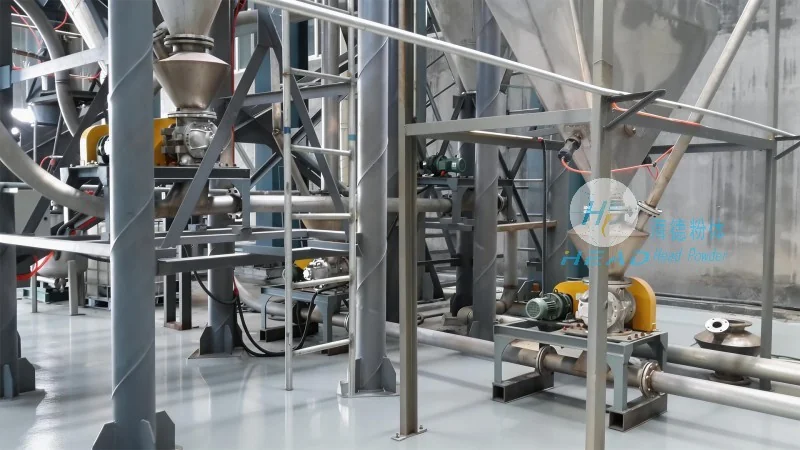
Understanding Ferrous Sulfate and Its Handling Requirements
Ferrous sulfate, also known as iron(II) sulfate, is a widely used chemical in various industries, including water treatment, agriculture, and chemical manufacturing. It is typically found in powdered or granular form, which poses specific challenges for material handling. Traditional methods like belt conveyors or bucket elevators may not be ideal due to the material's hygroscopic nature and potential for dust generation. Therefore, pneumatic conveying systems offer a more effective solution by utilizing air to move the material through a pipeline network.
The Core Components of a Ferrous Sulfate Pneumatic Conveying Line
A typical ferrous sulfate pneumatic conveying line consists of several key components that work in tandem to ensure efficient material transport. These components include the material feed hopper, which holds the ferrous sulfate and regulates the flow into the system; the air compressor or blower, which generates the necessary air pressure to move the material; the conveying pipeline, which transports the material and air mixture; and the receiver or discharge hopper, where the material is collected after delivery.
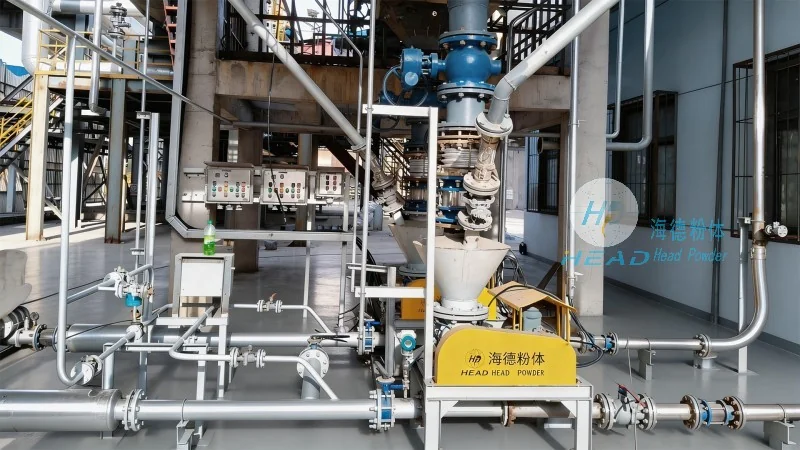
Design Principles for Optimal Performance
The design of a ferrous sulfate pneumatic conveying line is based on several critical principles to ensure reliability, efficiency, and safety. One of the primary considerations is the air-to-material ratio, which determines the velocity of the material within the pipeline. An optimal ratio ensures that the material is conveyed without clogging or excessive wear on the system components. Additionally, the pipeline diameter and length are carefully calculated to maintain the required air velocity and pressure, preventing material settling or blockages.
Material Characteristics and System Adaptation
The physical properties of ferrous sulfate, such as its particle size distribution, density, and flowability, significantly influence the design of the pneumatic conveying system. For example, finer particles may require higher air velocities to prevent deposition, while larger particles might need a different hopper design to ensure uniform feeding. The system must also account for the material's tendency to absorb moisture from the air, which can affect its flow characteristics and the overall performance of the conveying line.
Operational Considerations and Maintenance
Once the system is designed and installed, proper operation and maintenance are essential to ensure long-term performance. This includes regular monitoring of air pressure, flow rates, and material levels to detect any anomalies. Additionally, components like filters and cyclones are used to separate the material from the air, preventing dust accumulation and maintaining system efficiency. Proper maintenance schedules, such as cleaning filters and inspecting pipeline integrity, are crucial to avoid downtime and ensure the system operates within its design parameters.
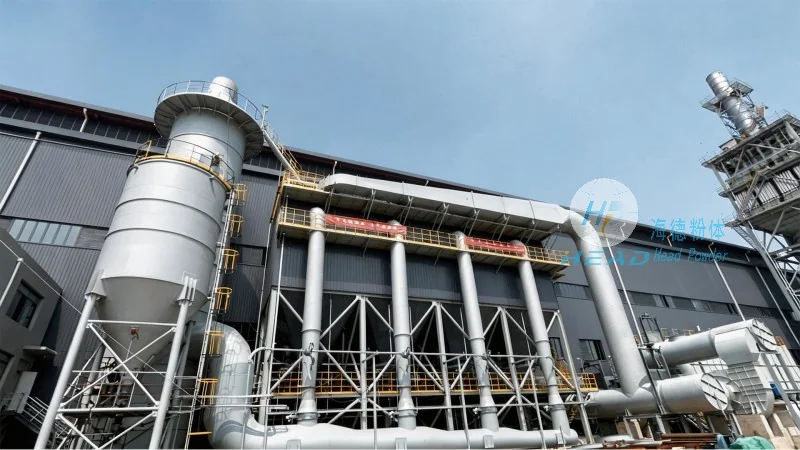
Applications and Benefits in Industrial Settings
Ferrous sulfate pneumatic conveying lines are widely used in various industrial applications where the efficient and safe transport of this chemical is required. In water treatment plants, for example, the system can deliver ferrous sulfate to treatment tanks without the need for manual handling, reducing the risk of exposure to the material. Similarly, in chemical manufacturing facilities, the system can transport the material between processing units, improving overall production efficiency and safety.
Conclusion
In summary, a ferrous sulfate material pneumatic conveying line is a sophisticated system designed to handle this chemical efficiently and safely. Its design is based on principles that consider the material's physical properties, operational requirements, and safety considerations. By understanding these principles and implementing proper design and maintenance practices, industrial facilities can ensure reliable and effective material transport, enhancing overall operational performance and safety.